Frank Gehry
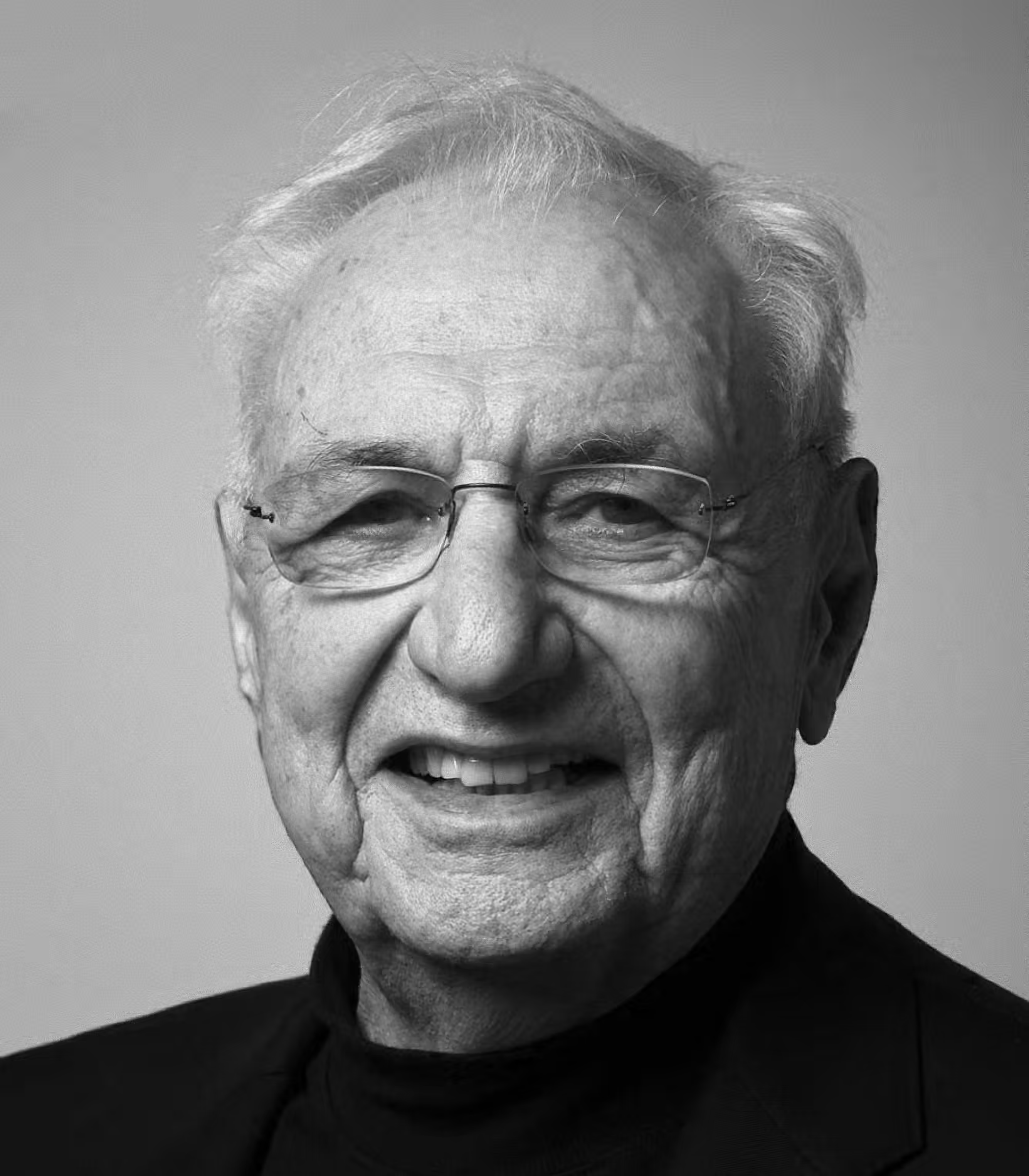
Born:
February 28, 1929, Toronto, Ontario, Canada
Died:
December 5, 2025 (age 96 years), Santa Monica, California, US
Frank Gehry made architecture misbehave—and then proved it could perform. His buildings look impulsive, almost improvised, yet behind the apparent disorder lies rigorous engineering. For Gehry, form becomes the script. You enter, turn, ascend, and discover space as a sequence, especially in museums and concert halls where movement is the medium.
Unlike Wright’s rooted organicism, Gehry works with reflection and atmosphere. His skins catch sky, wind, traffic, and time. Titanium and glass become instruments, not decoration. Crucially, his “impossible” curves were made buildable through digital precision: Gehry was among the first to scale aerospace software (CATIA) into architecture. Deconstructivism, in his hands, stopped being theory and entered the skyline—cultural, commercial, unapologetically public.
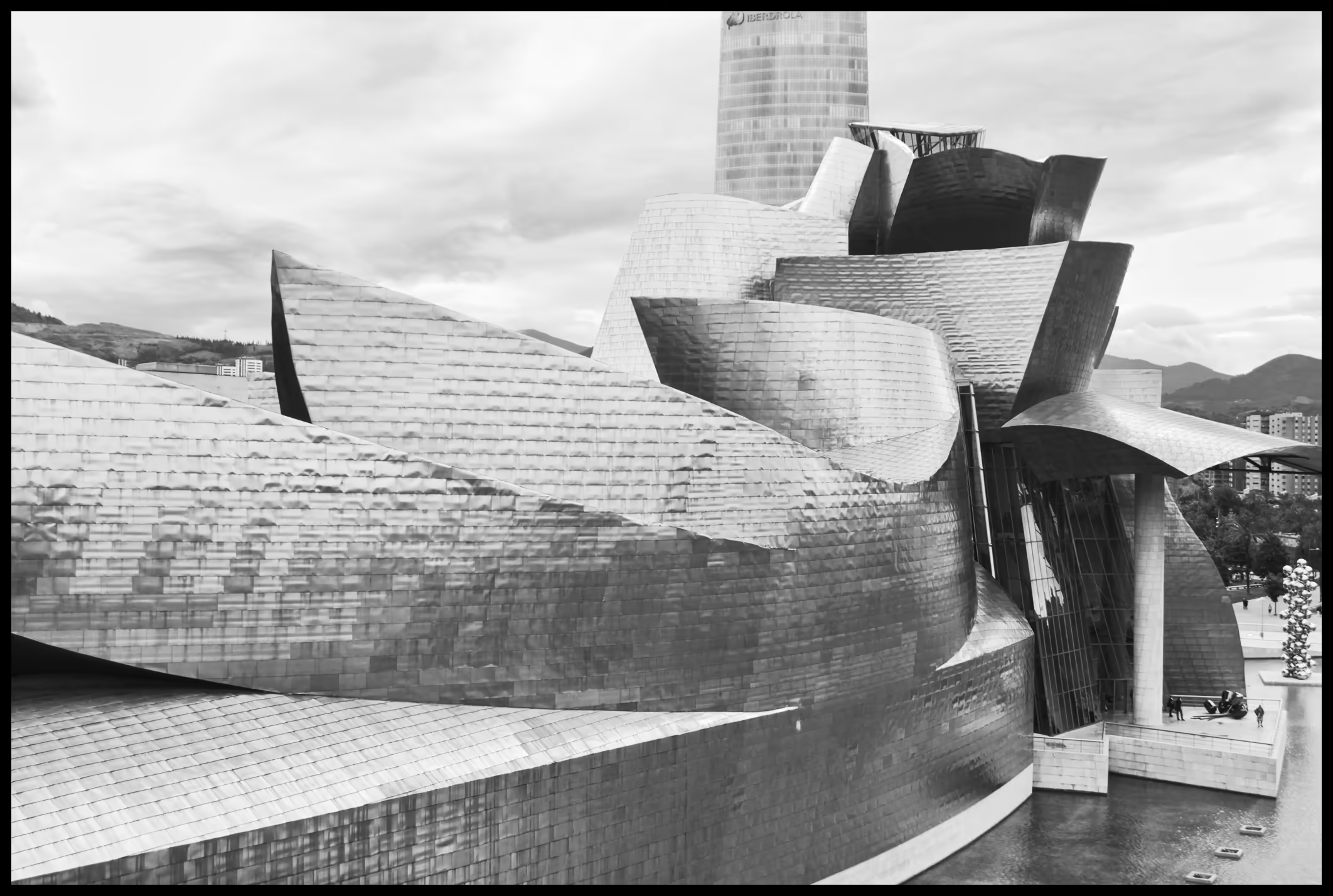
Guggenheim Museum Bilbao (1997)
Titanium petals unfold along the Nervión River. A museum as urban catalyst — its fractured geometry rewired Bilbao’s economy and reframed architecture as a city-scale magnet.
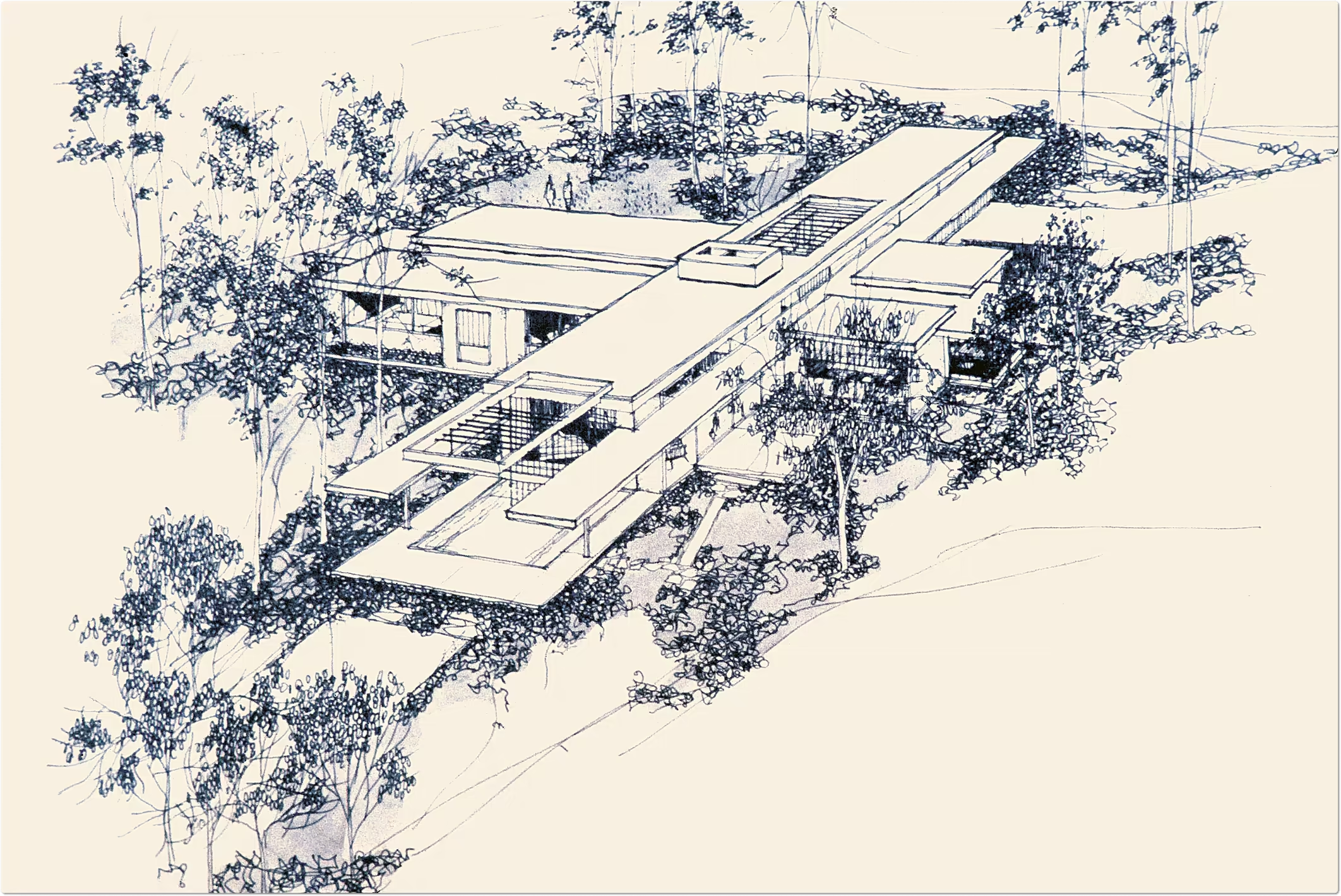
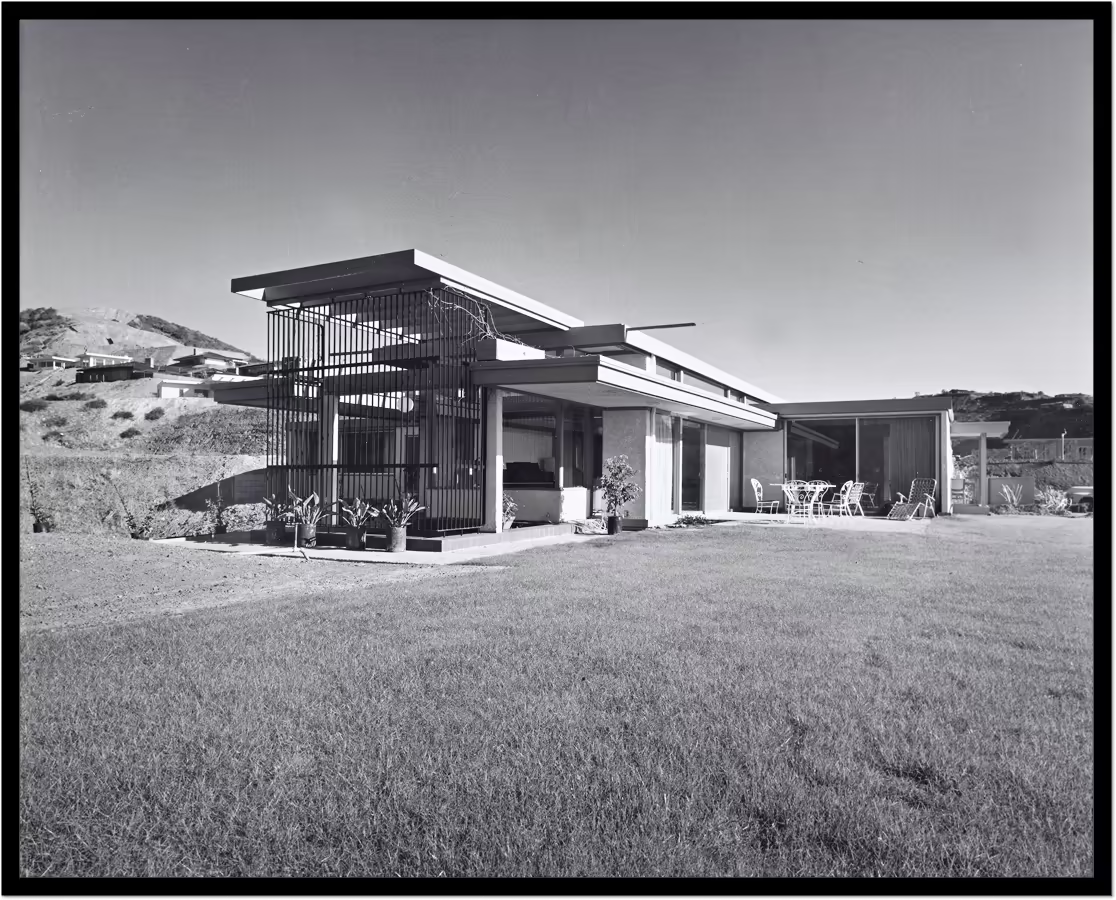
Steeves House (1958–1959)
The first major independent commission in which Gehry was free to strut his stuff. The house was built at the edge of a bluff overlooking the Sepulveda Pass, just in time to observe two years of construction as the 405 freeway was built down below.
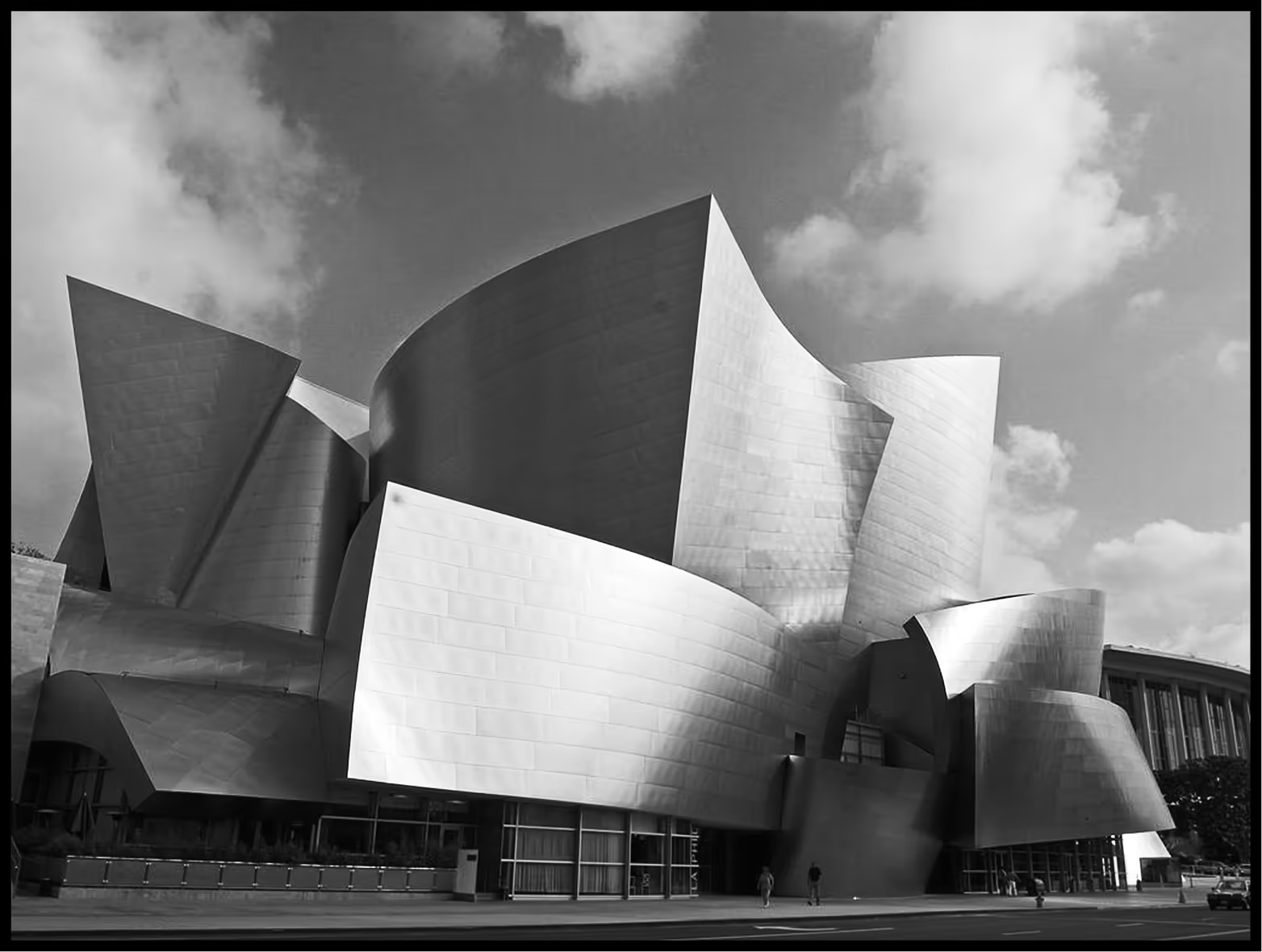
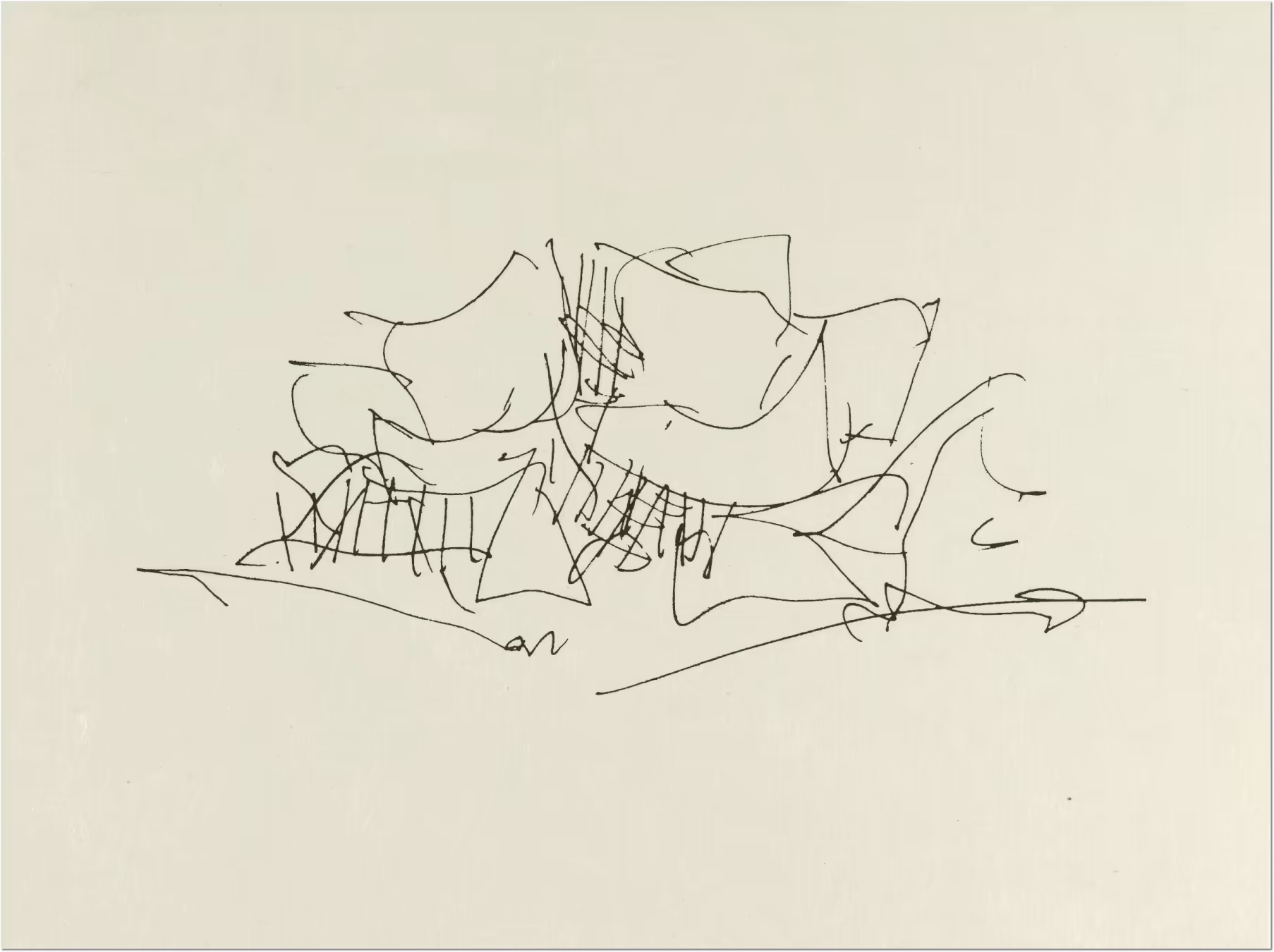
Walt Disney Concert Hall (2003)
Stainless-steel sails curve around a vineyard-style auditorium. The shell choreographs arrival and acoustics alike — an instrument you walk through before you hear.
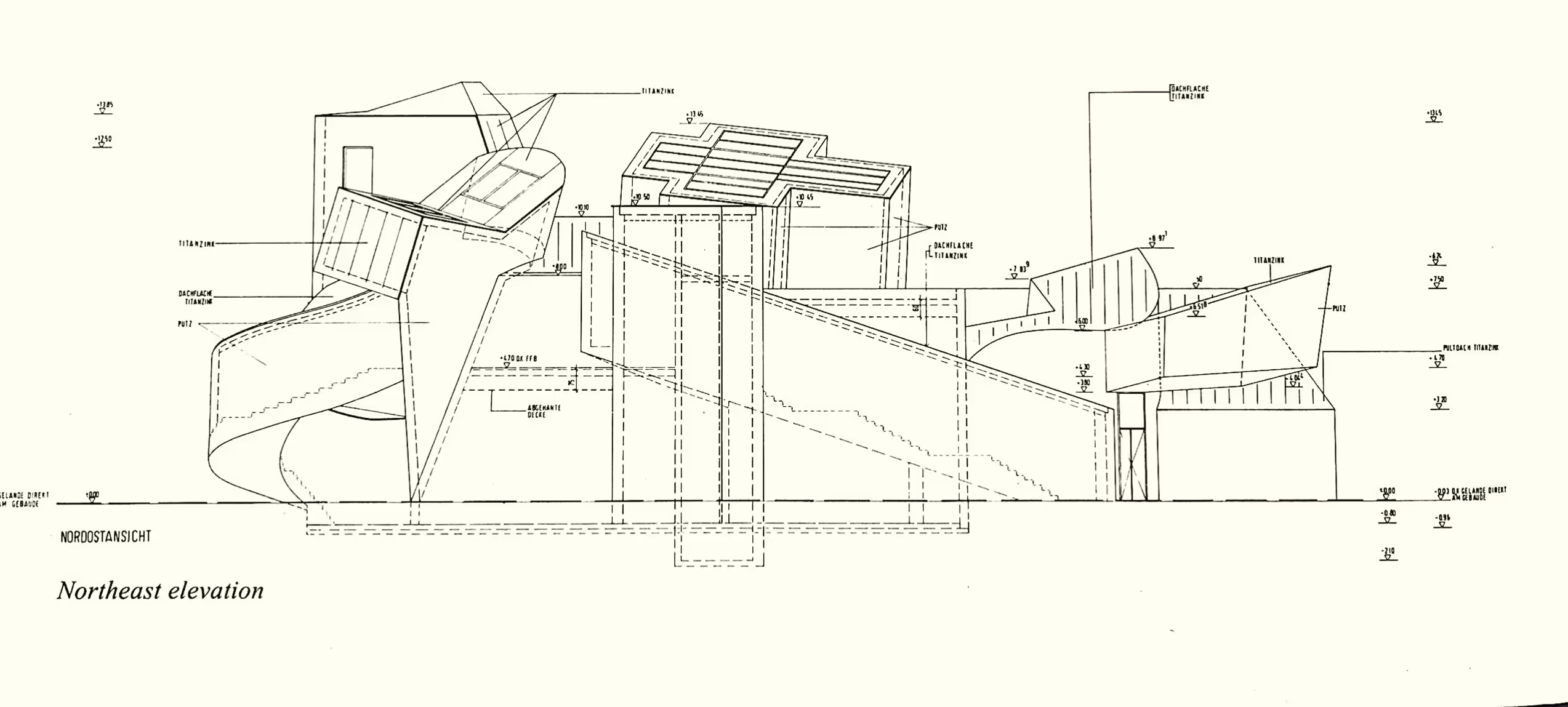
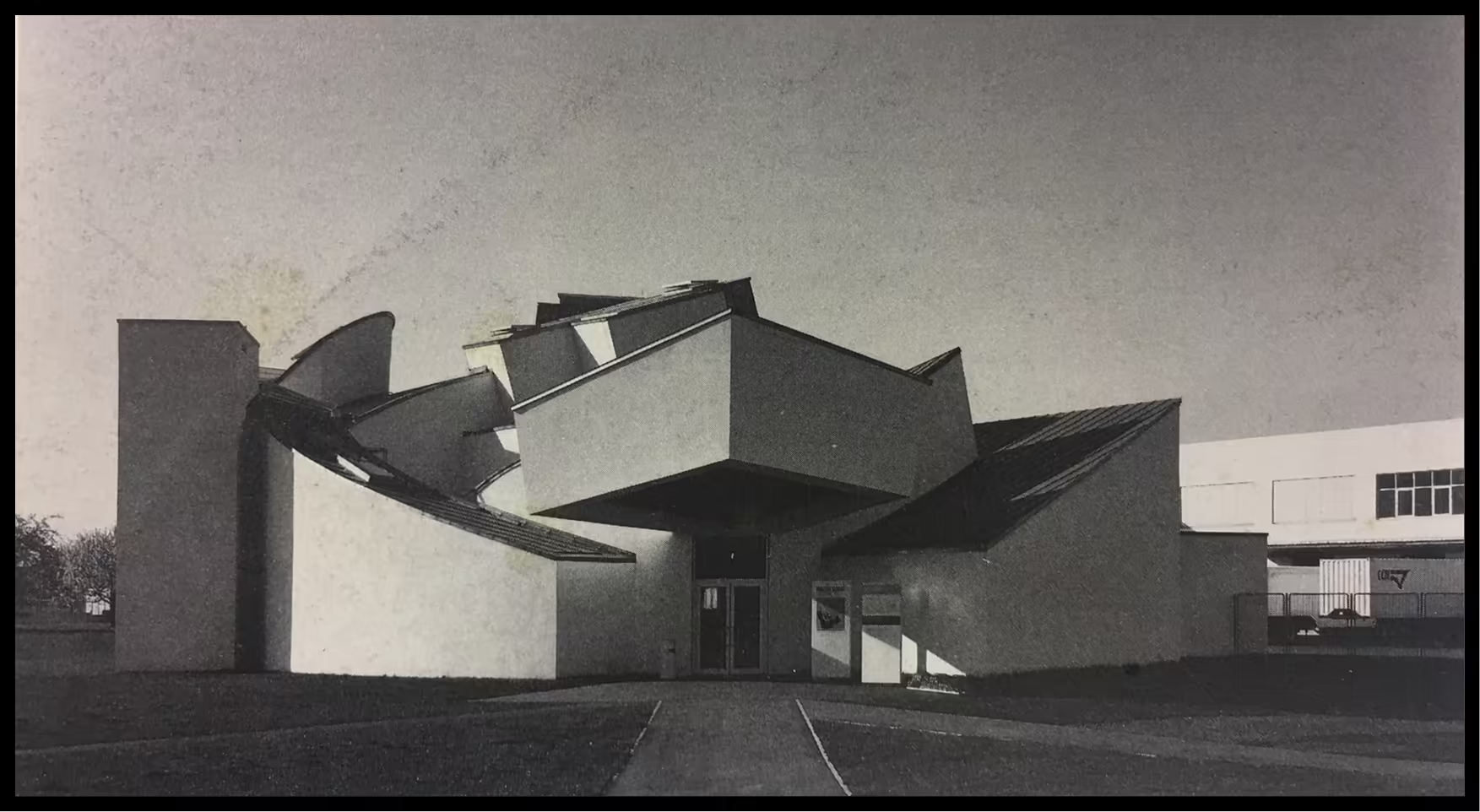
Vitra Design Museum (1989)
White volumes collide in controlled tension. An early manifesto in built form — fragmentation becomes composition, and deconstructivism steps out of theory into daylight.