Frank Lloyd Wright
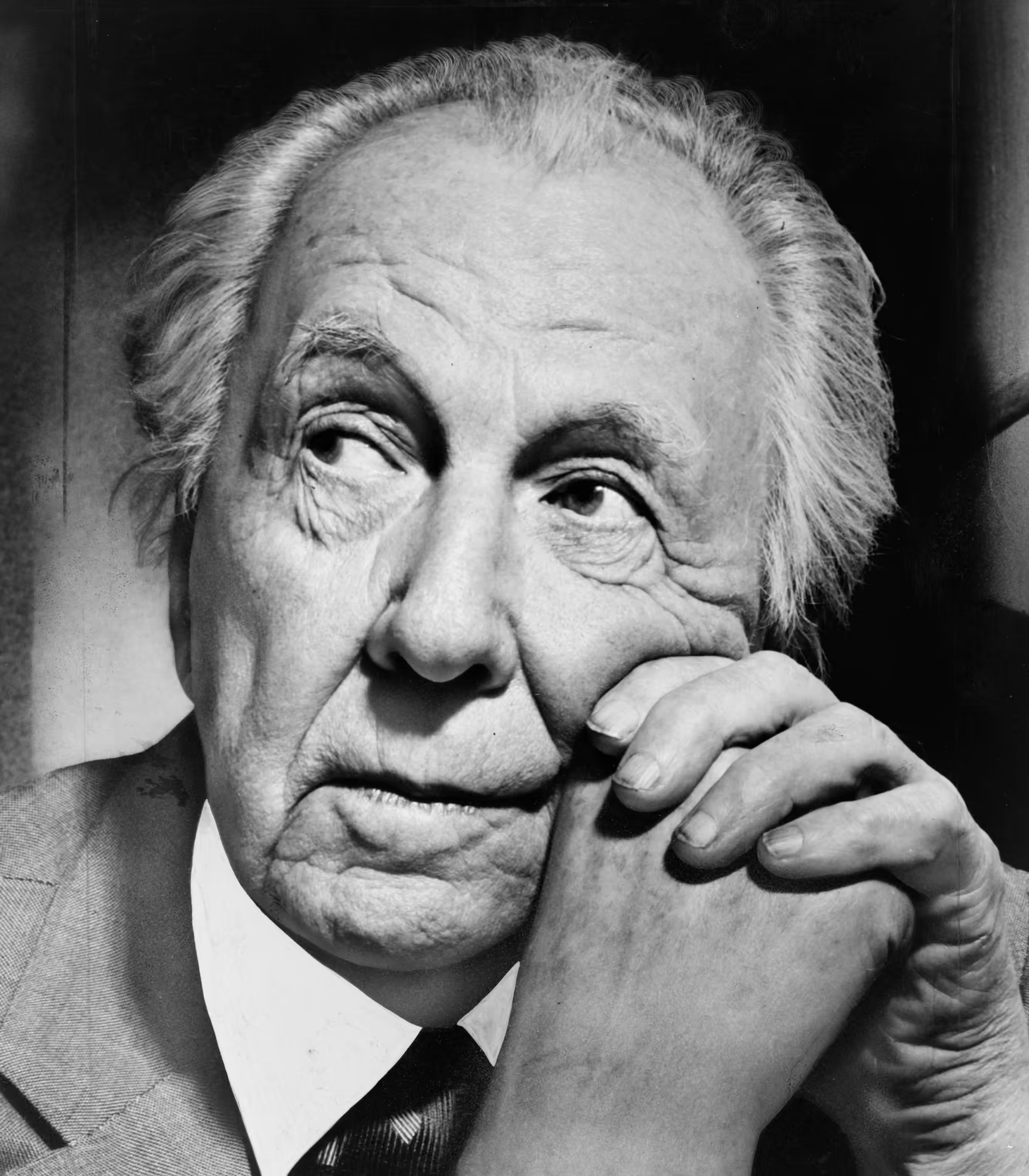
Born:
June 8, 1867, Richland Center, Wisconsin, United States
Died:
April 9, 1959 (age 91 years), St Joseph Hospital, Phoenix, Arizona, United States
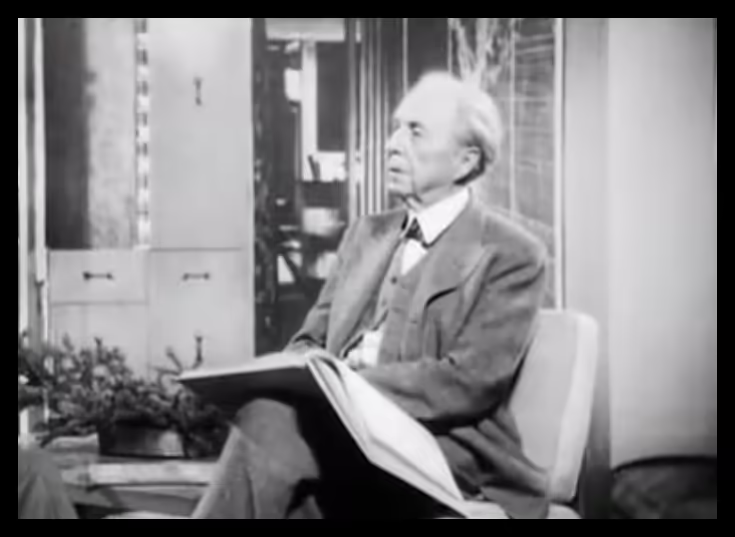
Frank Lloyd Wright redefined
architecture from the inside out. To
him, walls and roofs were secondary—the real essence was space: shaped for life, movement, and use. Form, he argued, must follow the rhythm of living.
He pioneered organic architecture: not in metaphor, but in method. The building emerged from its site, rooted in it, inseparable from its ground. His Usonian houses, born of economic crisis, made simplicity a civic virtue—standardized, yet never anonymous.
He broke the tyranny of the box: dissolving corners, layering sightlines, letting rooms unfold like thought. And he didn’t stop at walls—light fixtures, furniture, vents, even screws were part of the same vision. Architecture, for Wright, was total.
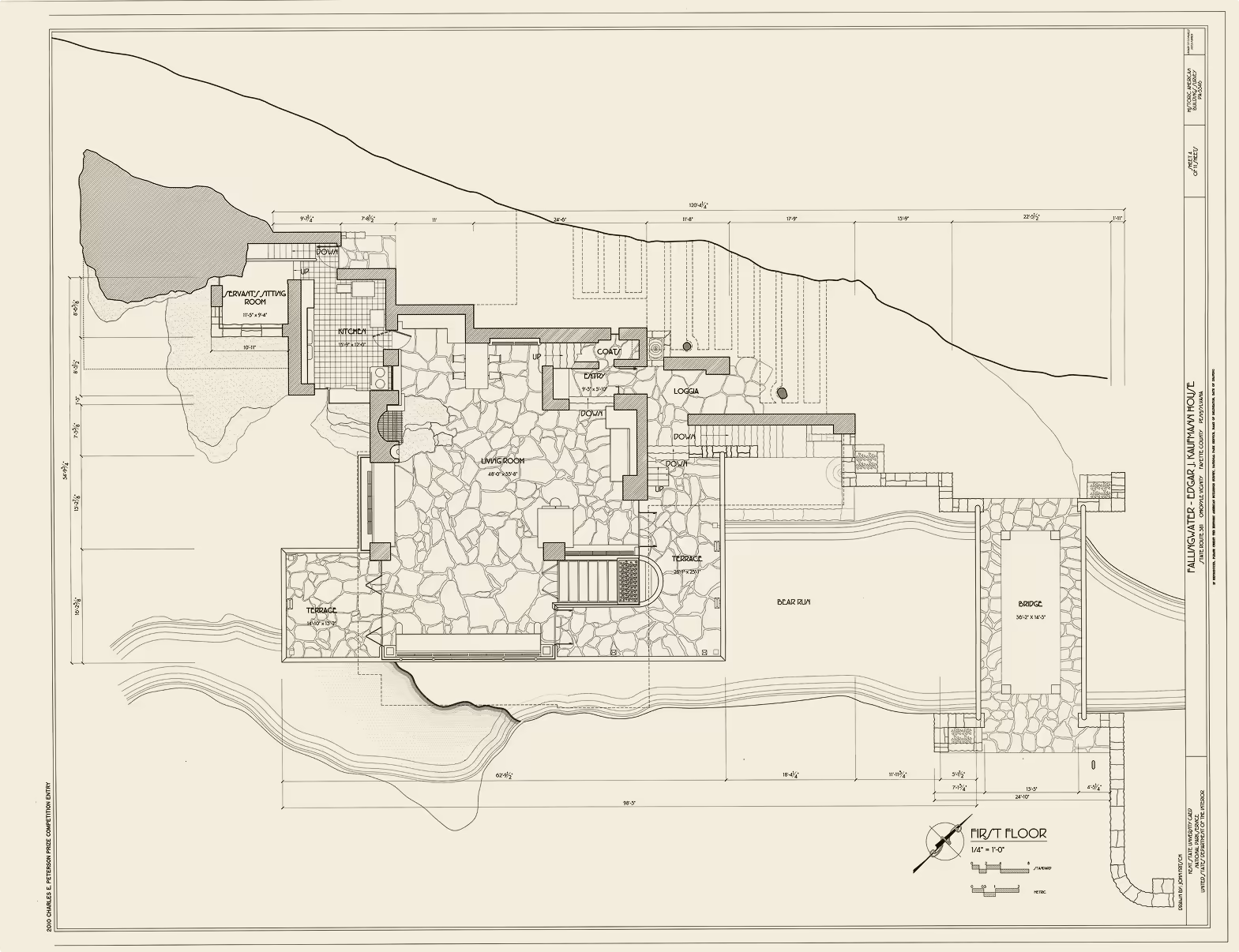
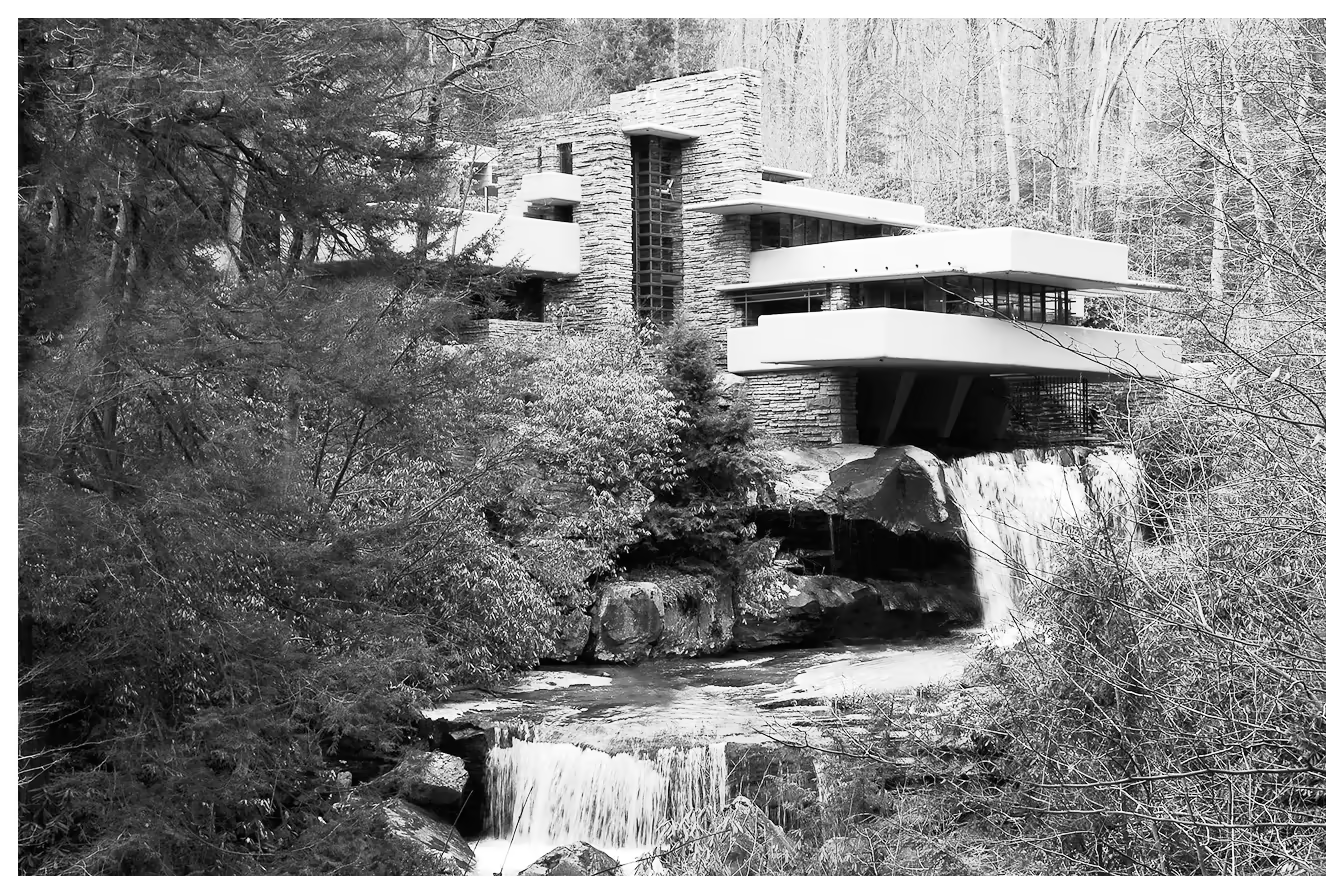
Fallingwater (1935)
Wright’s masterstroke of organic architecture. Cantilevered slabs hover over a waterfall, anchoring the house to rock and motion. Not placed in nature — grown from it, vein by vein.
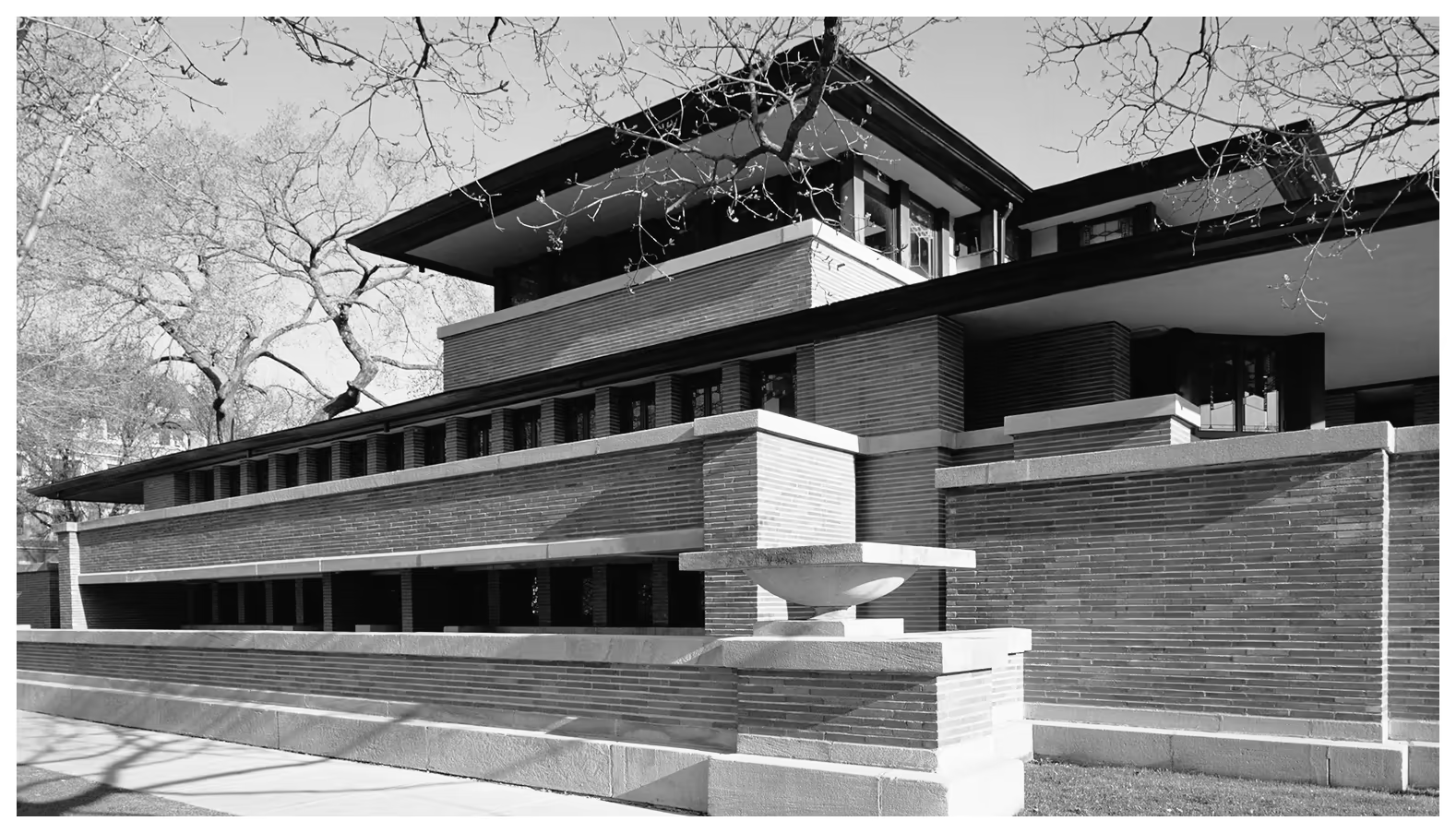
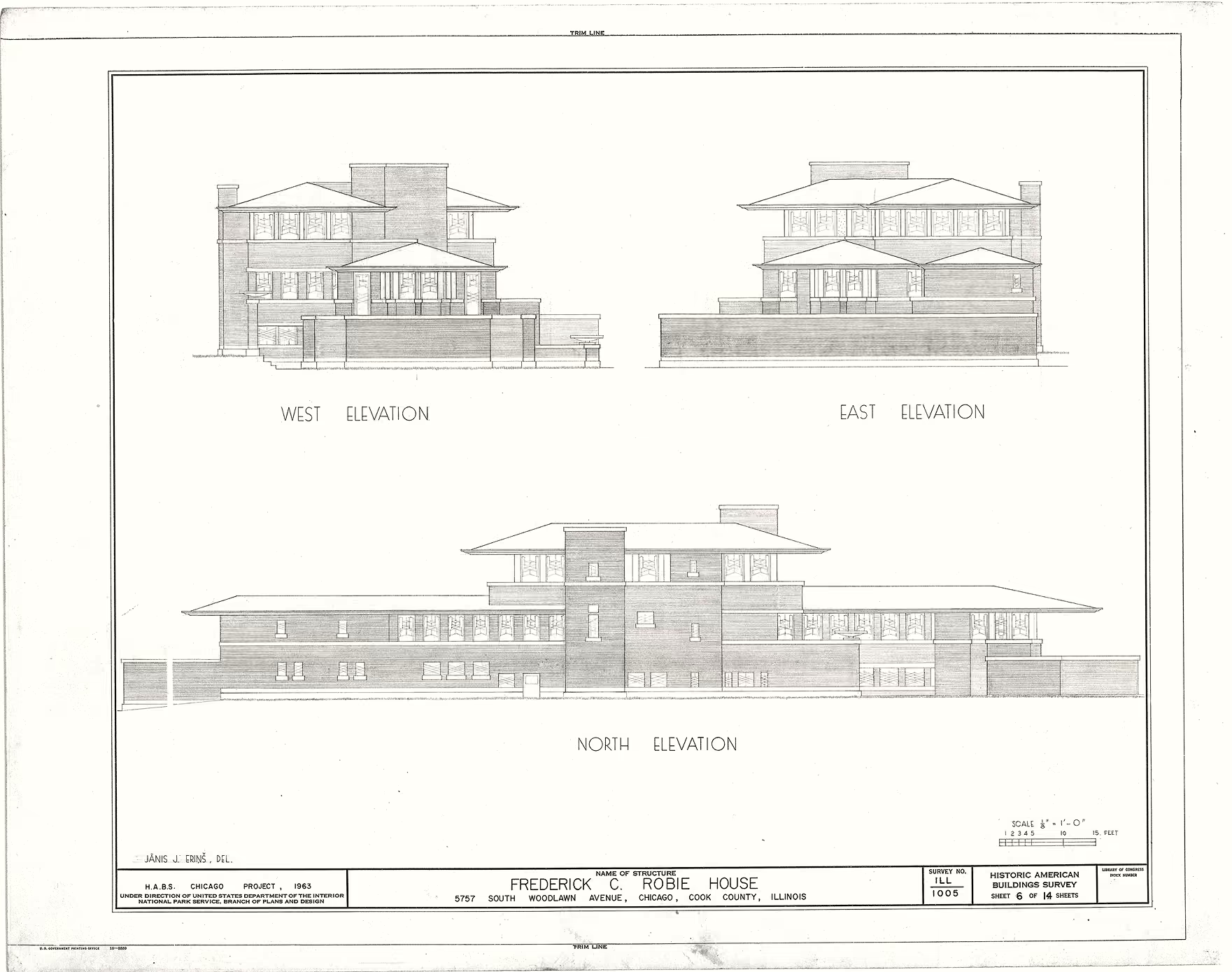
Robie House (1910)
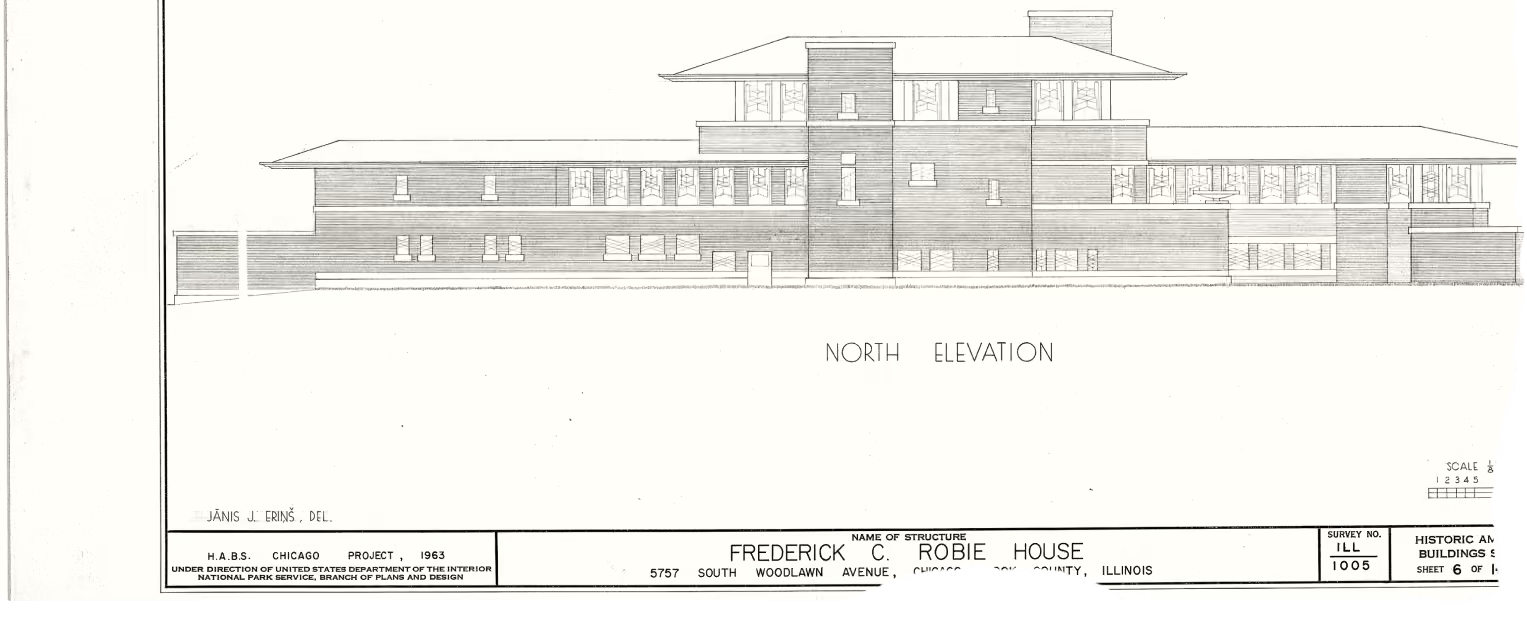
A manifesto in brick and line. Long, low horizontals stretch across the Chicago landscape, dissolving walls into flow. The Prairie style, sharpened into spatial choreography.
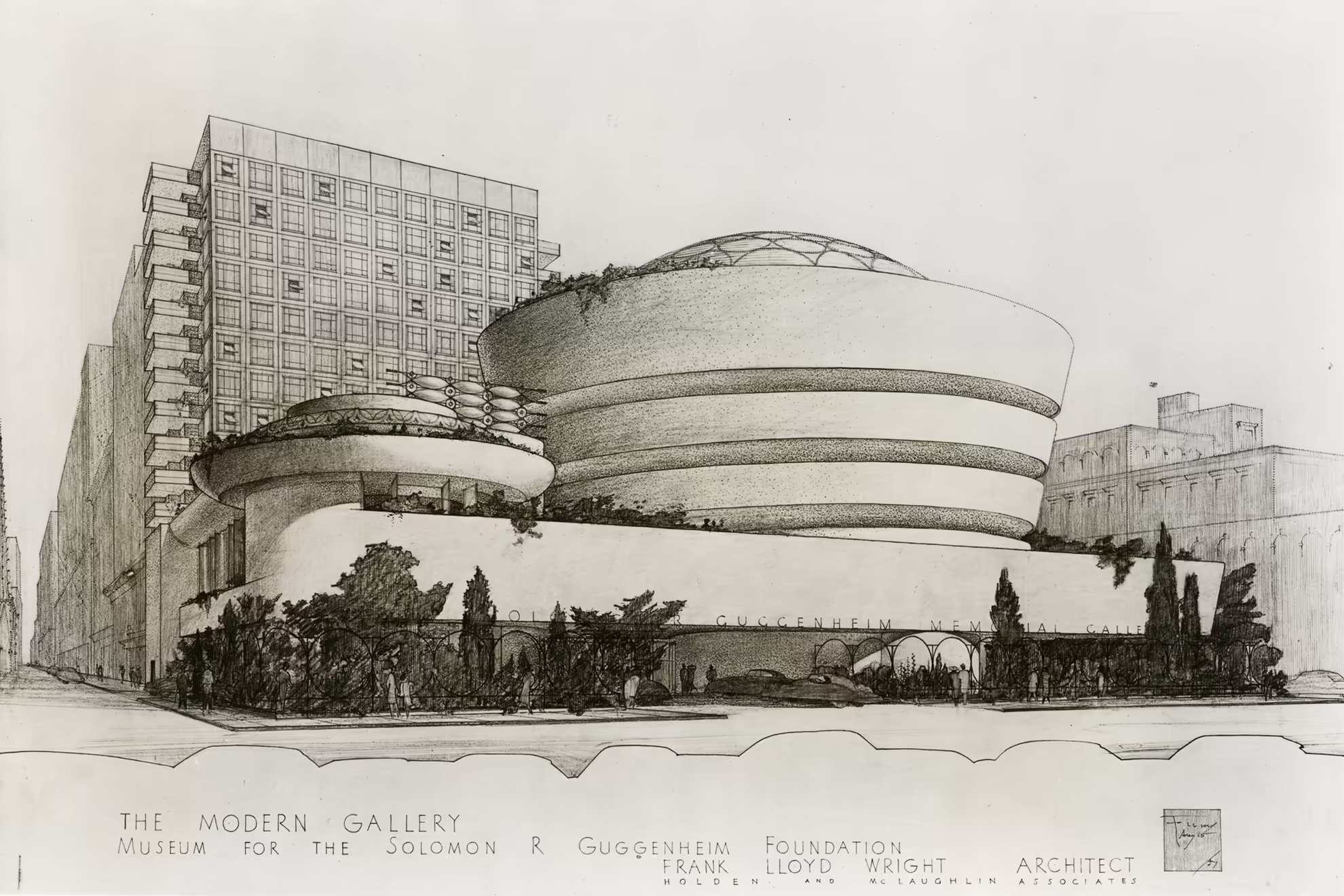
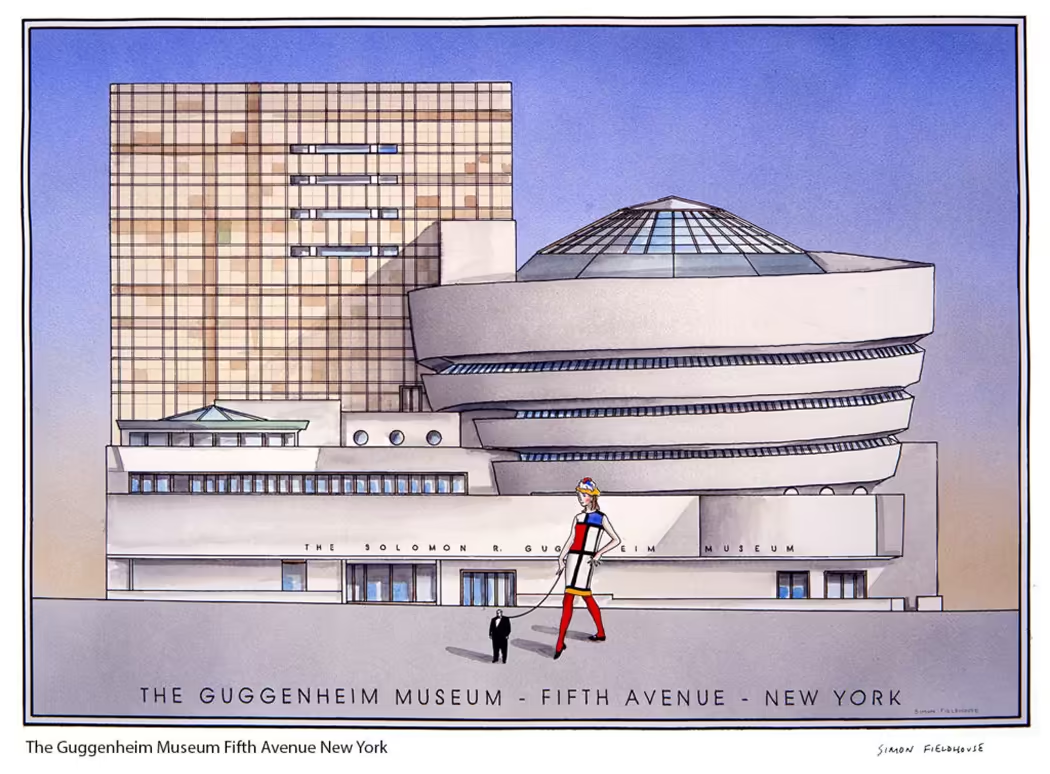
Guggenheim Museum, New York (1959)
A spiral cast in concrete. No corners, no floors — just one continuous ramp, pulling visitors downward in a slow, centrifugal ballet of art and architecture.