Irving Gill
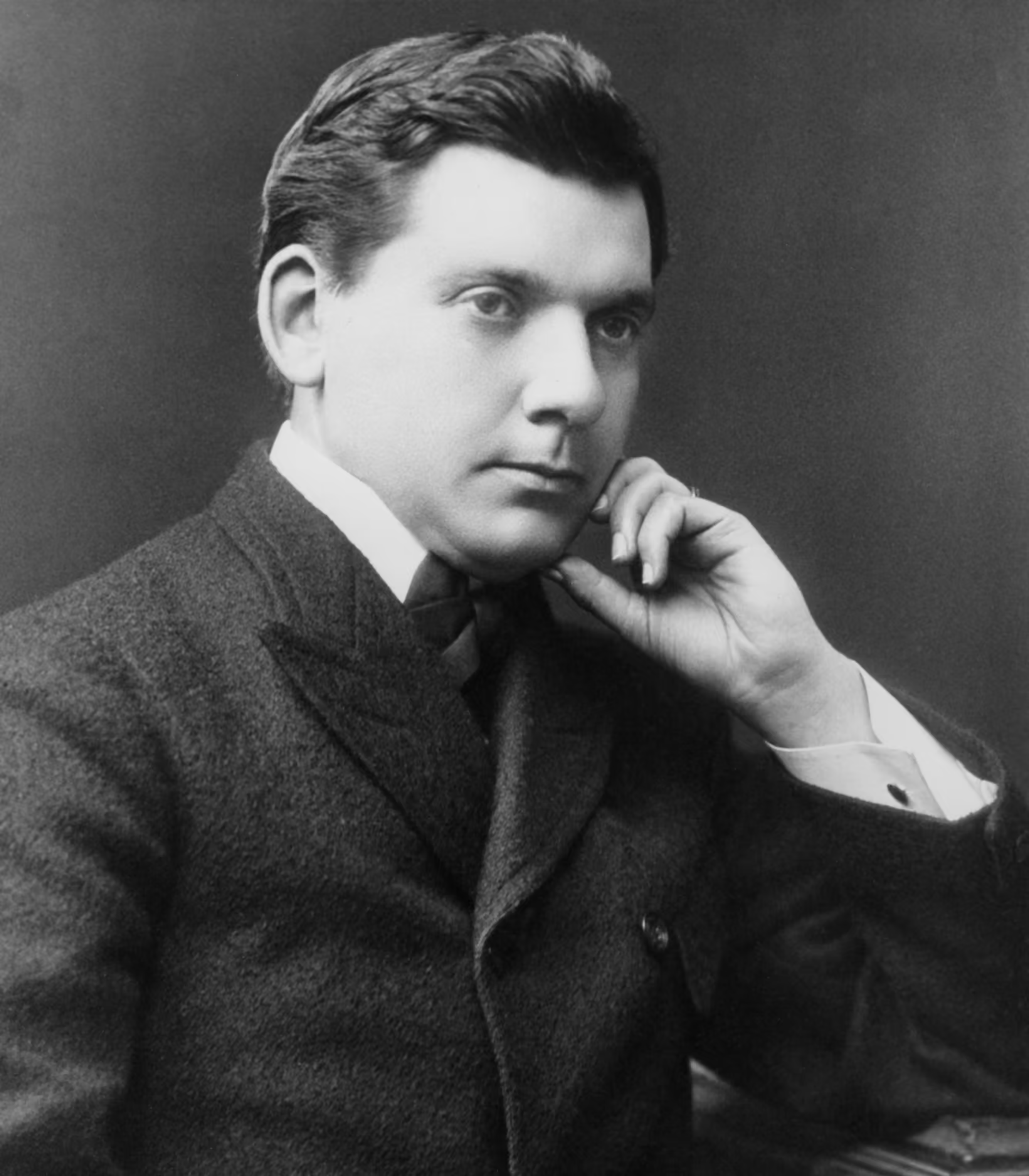
Born:
April 26, 1870, Tully, New York, United States
Died:
October 7, 1936 (aged 66) Carlsbad, California, United States
Irving Gill treated simplicity as technology. Decades before European modernism hardened into doctrine, he was stripping houses down to light, air, and mass on the California coast. Ornament, in his view, was unhygienic—dust’s favorite habitat. Better to let shadow and weather do the decorating.
Gill designed houses as instruments of living: courtyards for ventilation, thick walls for thermal stability, plans oriented toward sun rather than symmetry. Concrete became his ally. With early tilt-slab experimentation, he cast clean volumes and embedded metal frames before the pour—industrial precision in service of domestic calm.
His buildings feel almost prehistoric in their clarity. Solid as boulders. White, planar, unadorned. A firm believed in good design not being limited only to wealthy villas, Gill tested materials and construction methods to prove that dignified space could be accessible.
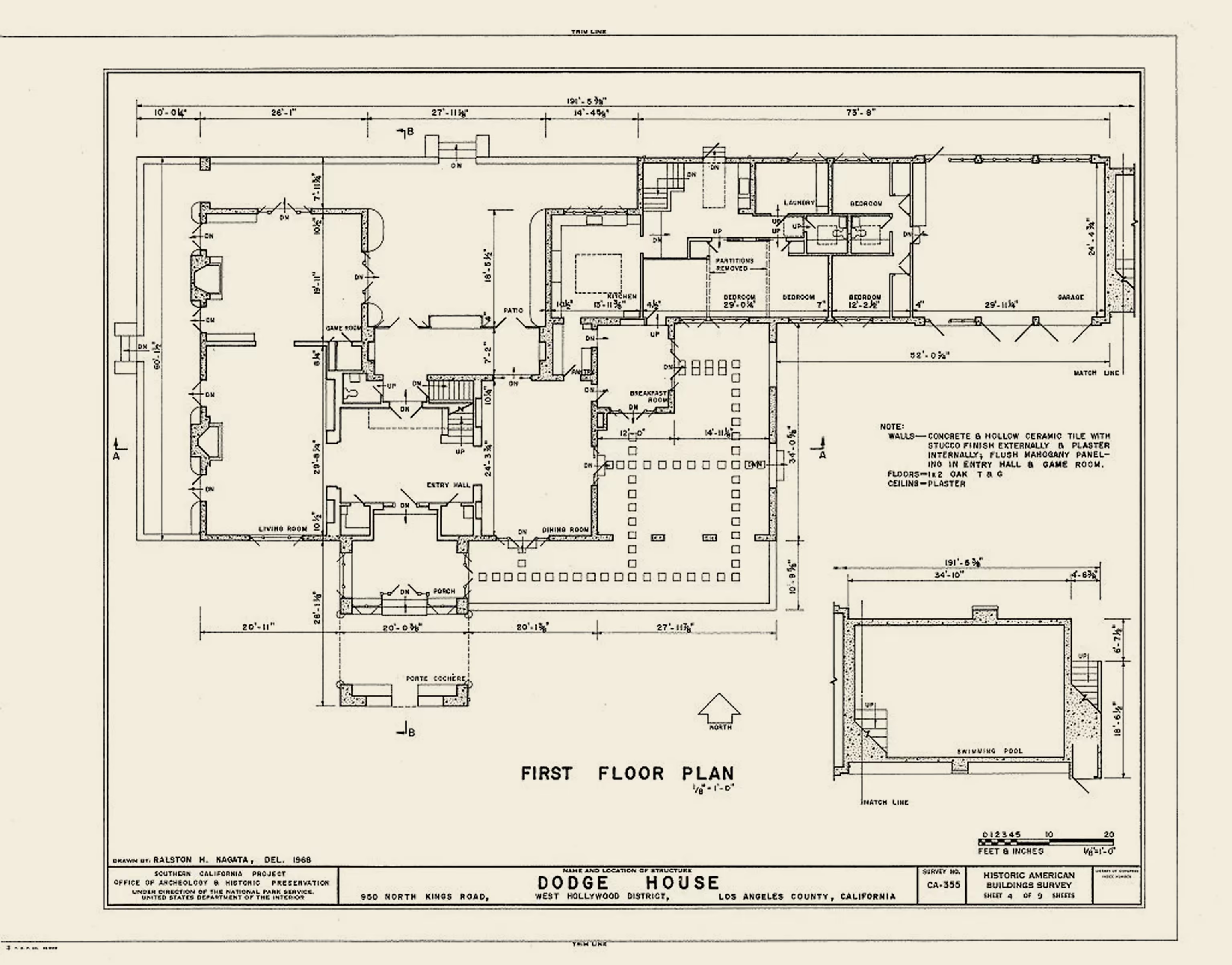
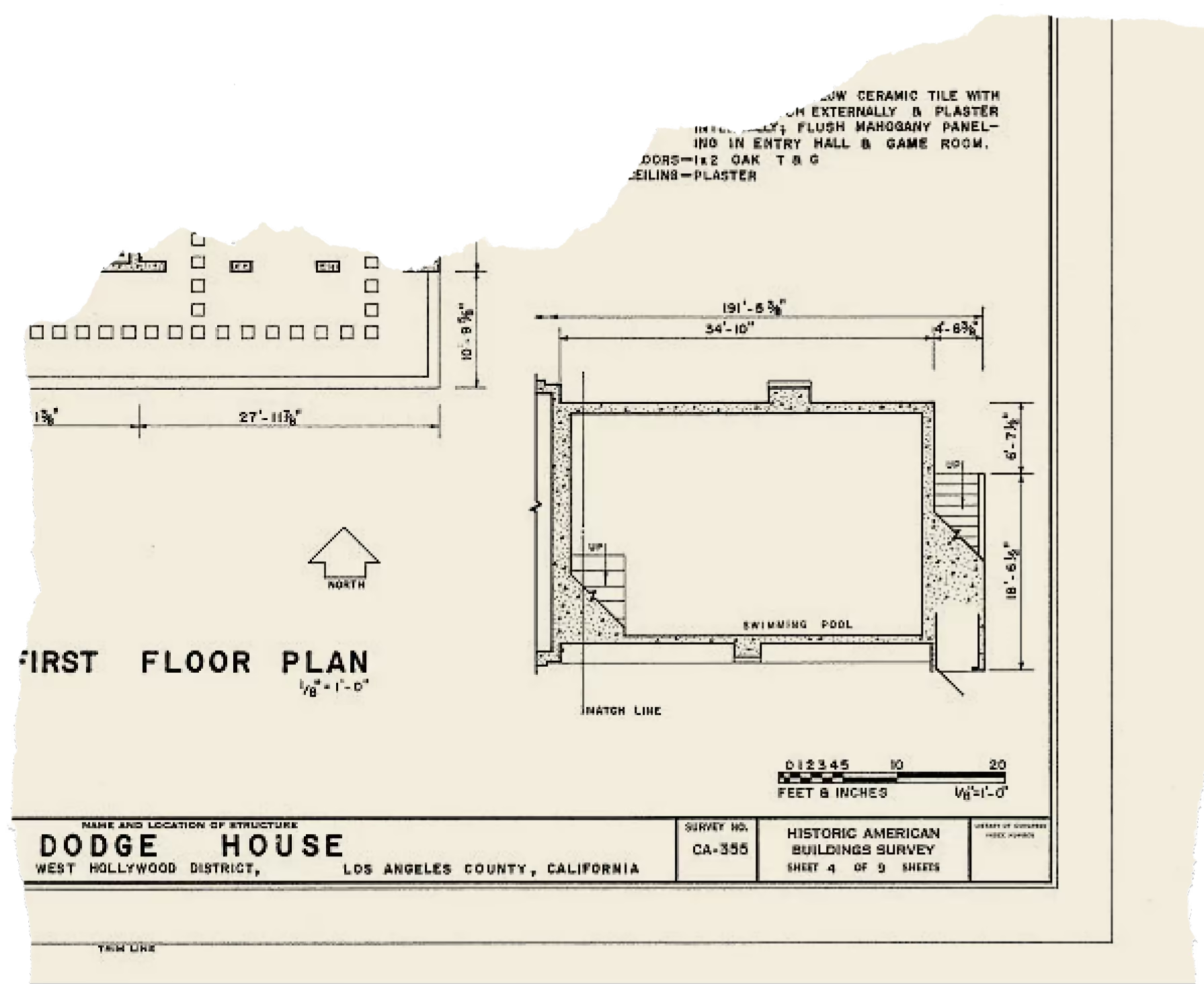
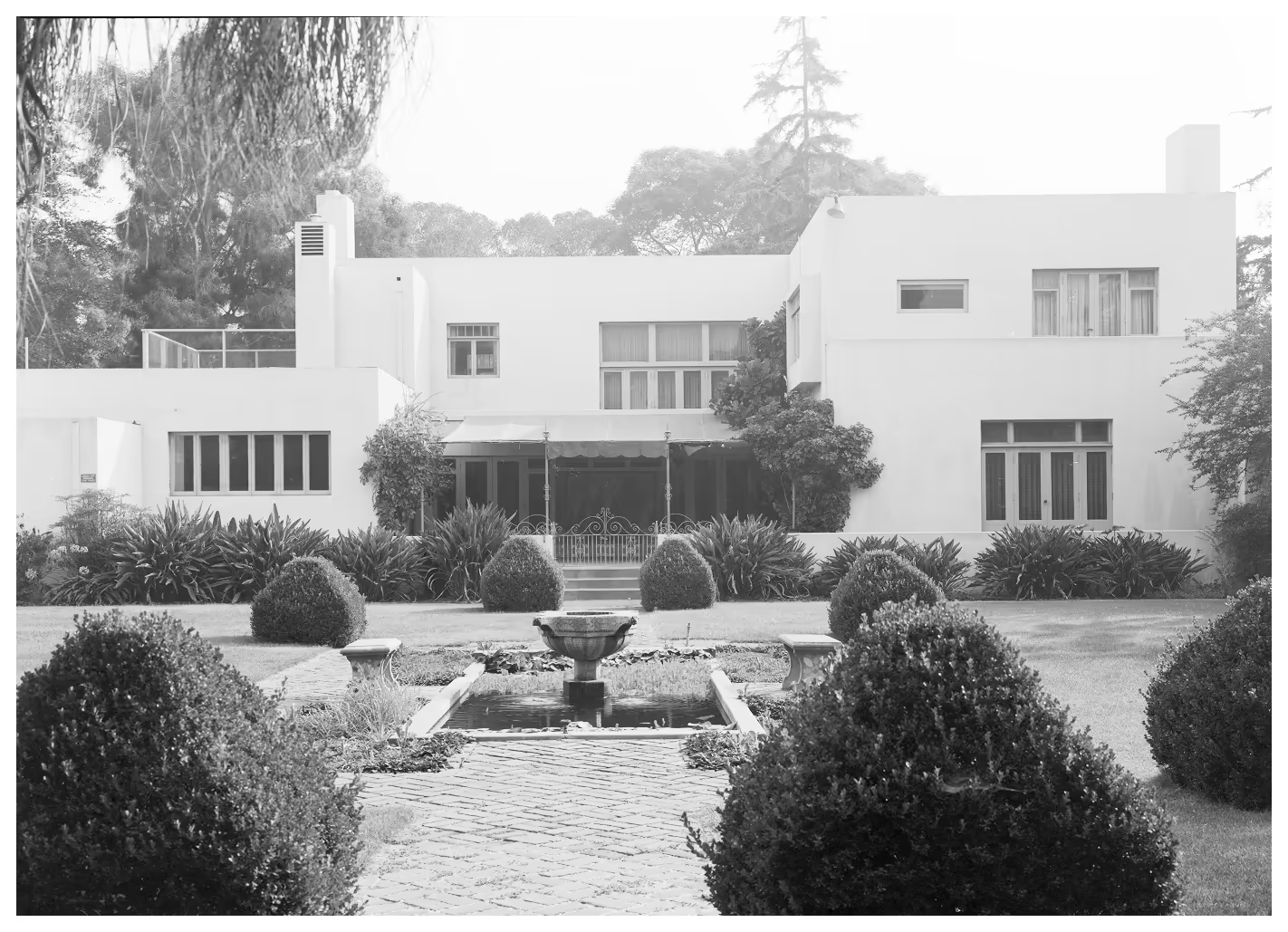
Dodge House (1914–1916)
A proto-modernist residence of pure planes and recessed openings. Spatial flow replaces decoration — one of the earliest fully modern houses on the American West Coast.


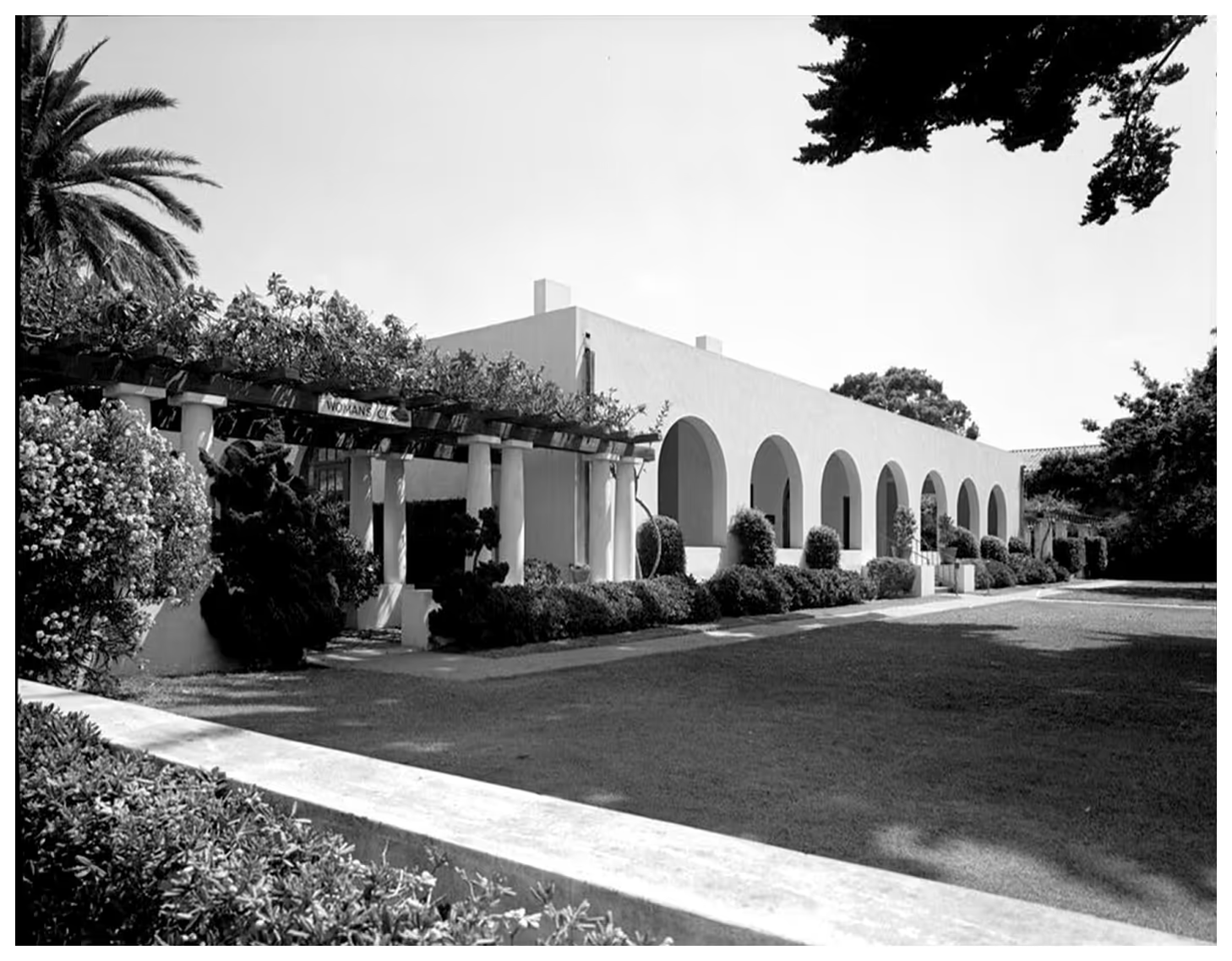
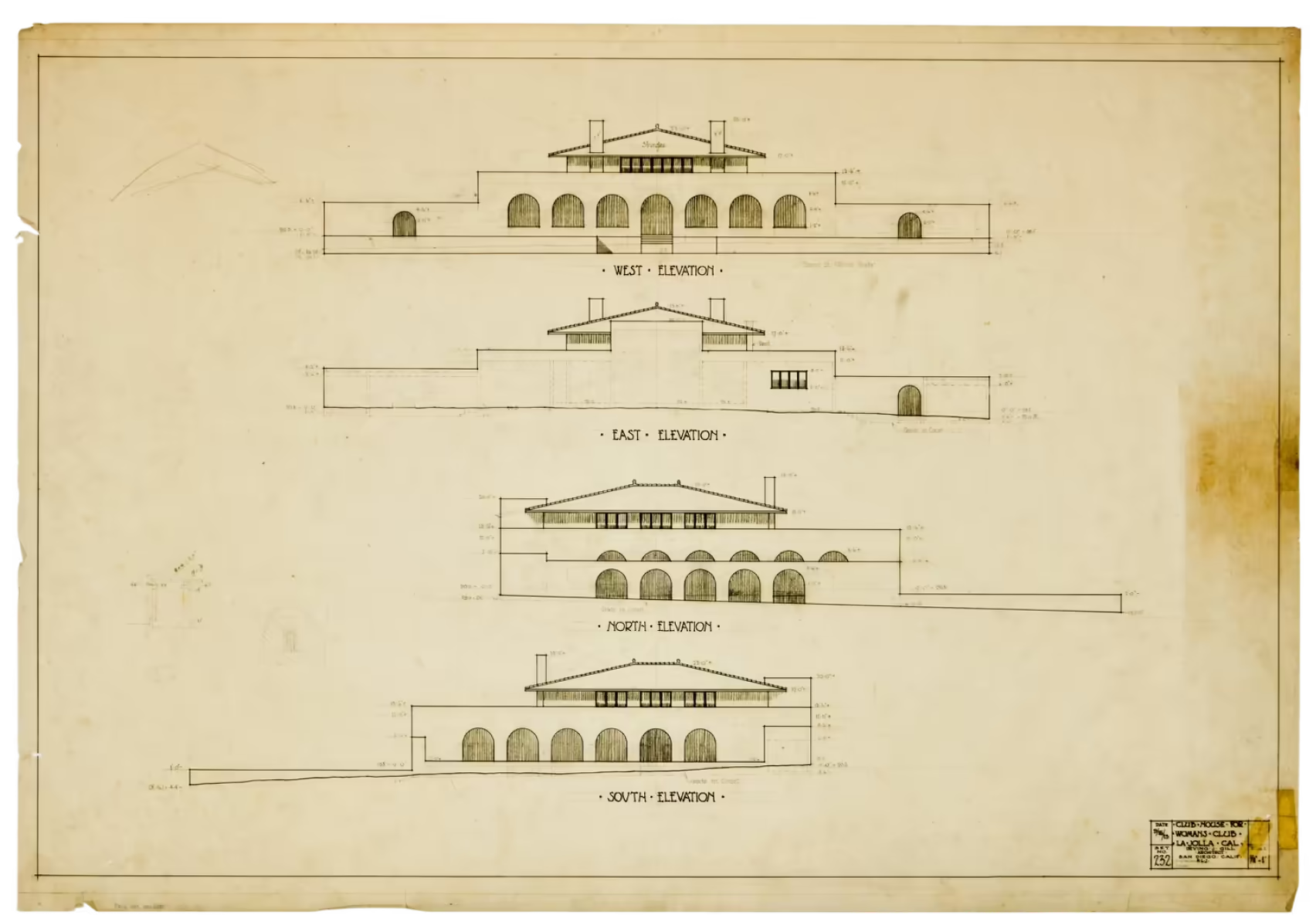
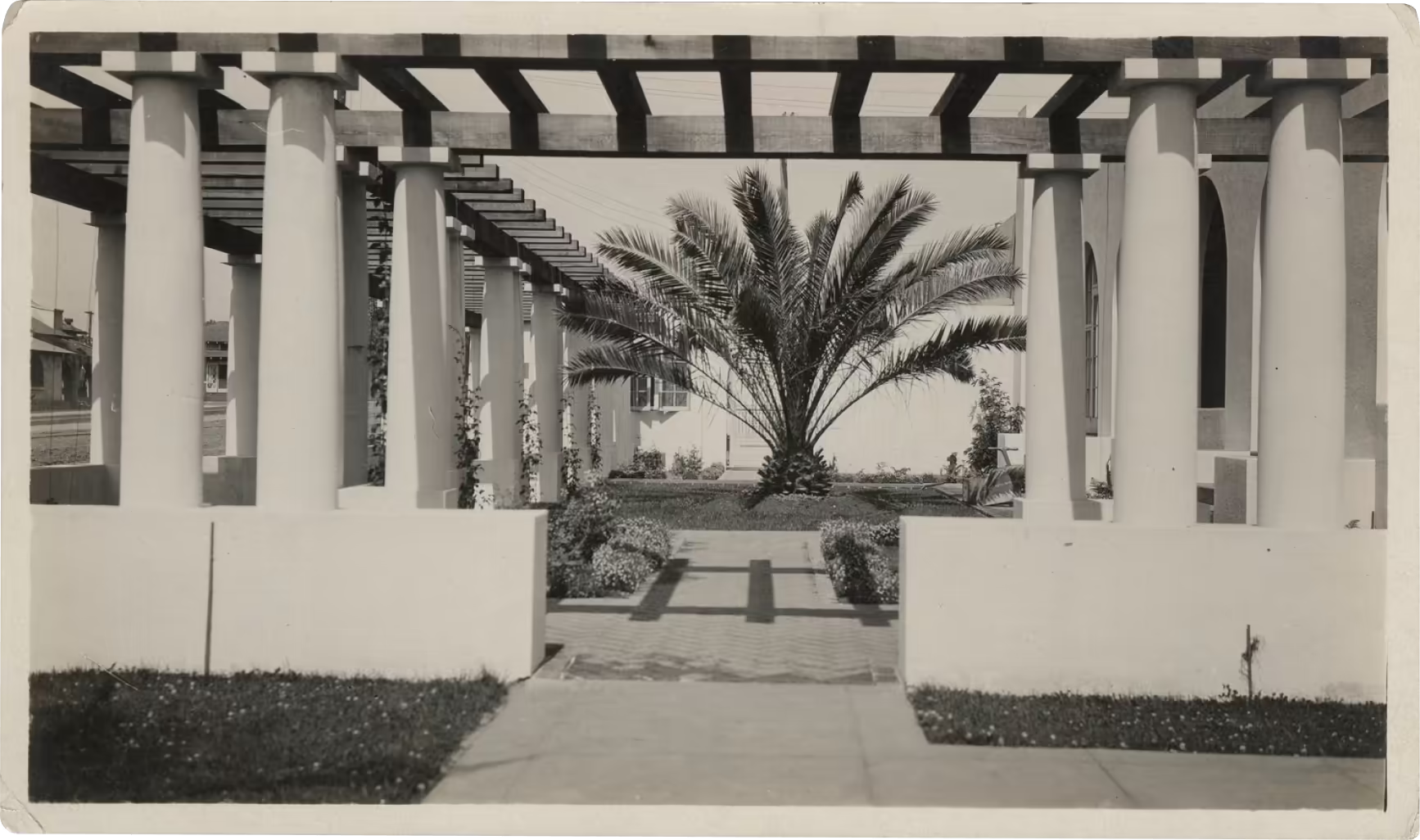
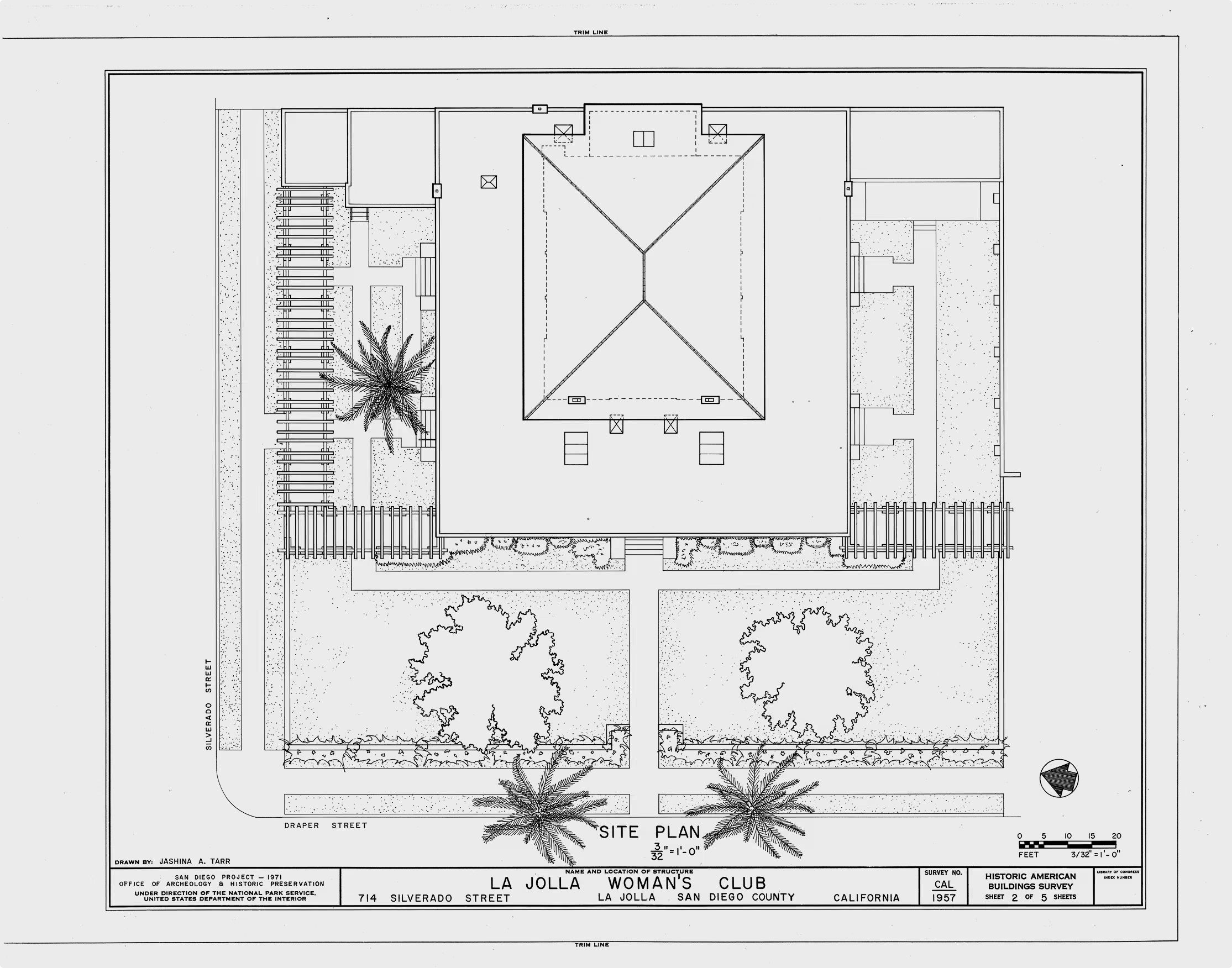
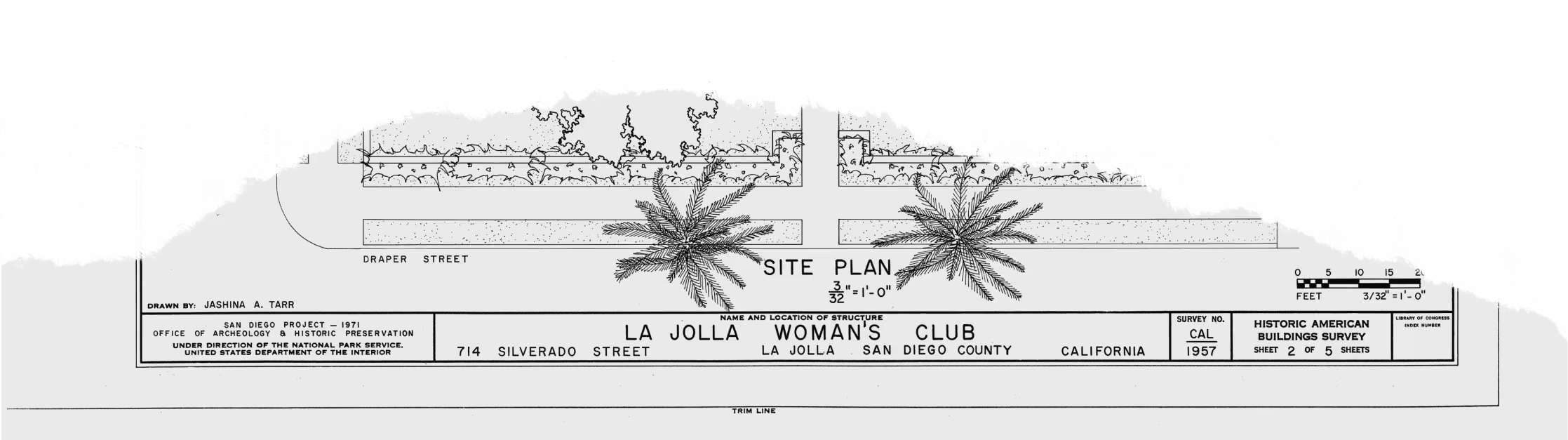
La Jolla Woman's Club (1914–1915)
Concrete walls lifted into place using tilt-slab technique. Arches cut from mass, not applied. Technology and restraint merge in civic form.
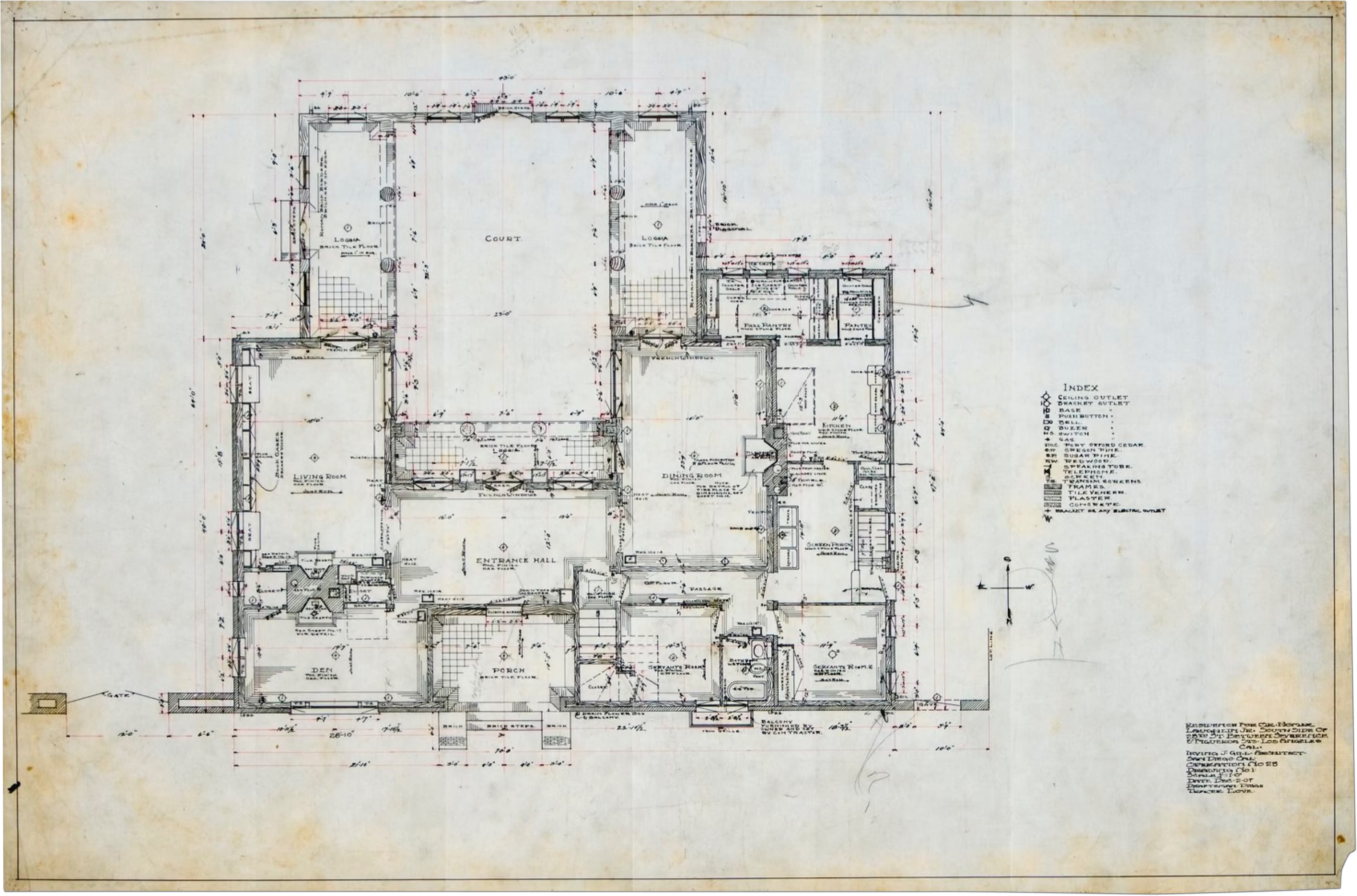
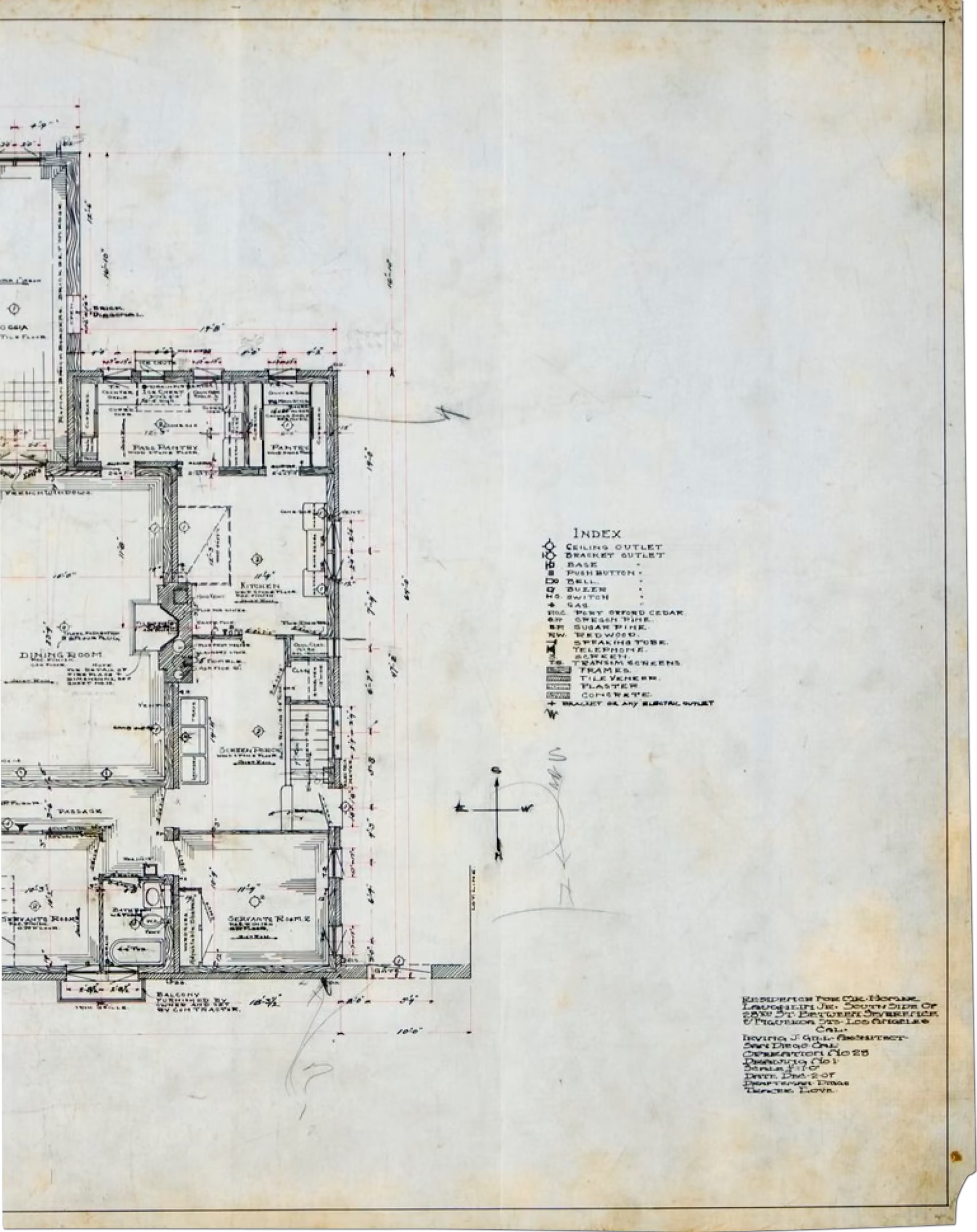
Laughlin House (1907–1908)
An early Los Angeles commission organized around courtyard light and circulation. Function leads; style follows quietly behind.
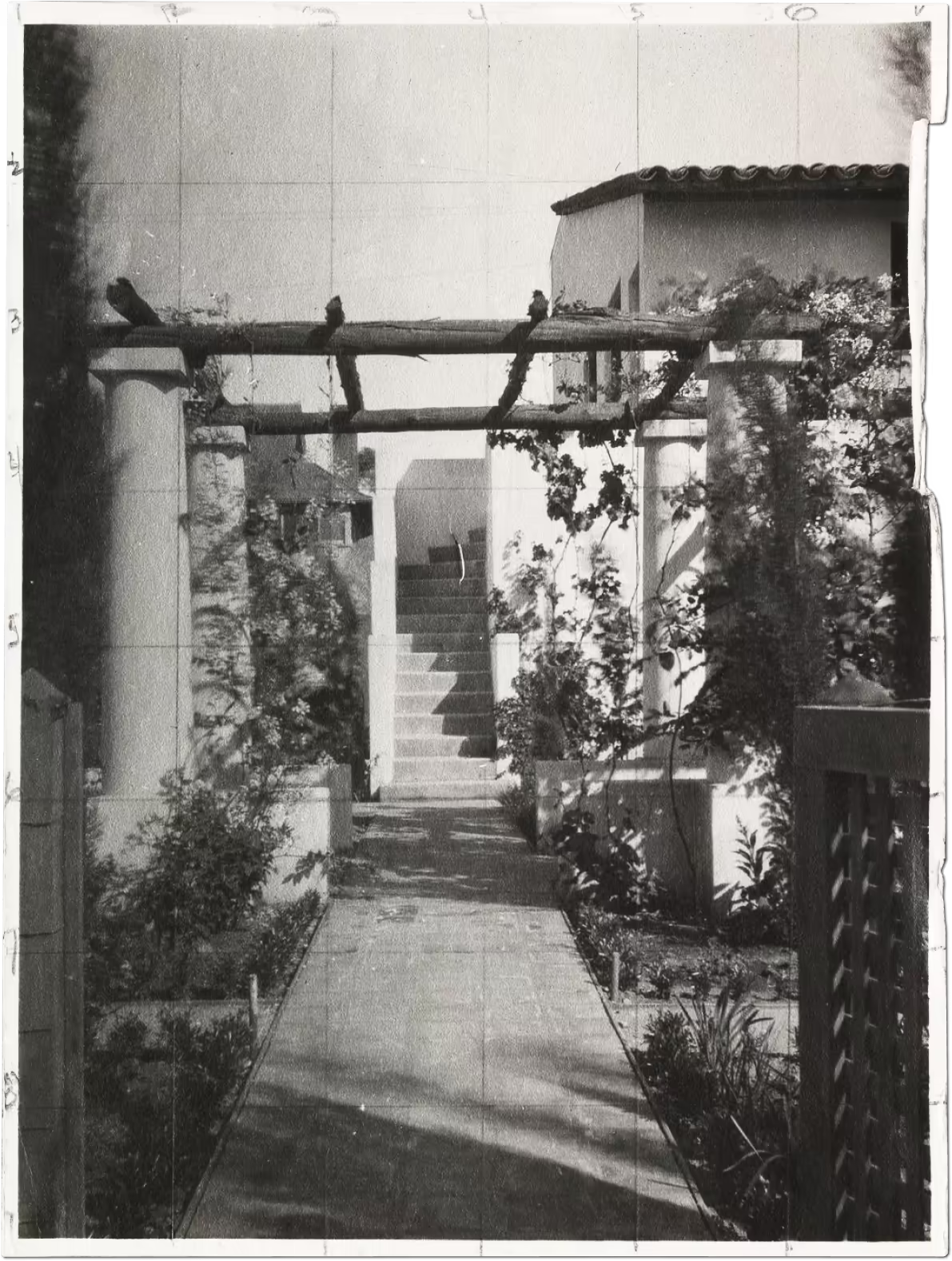
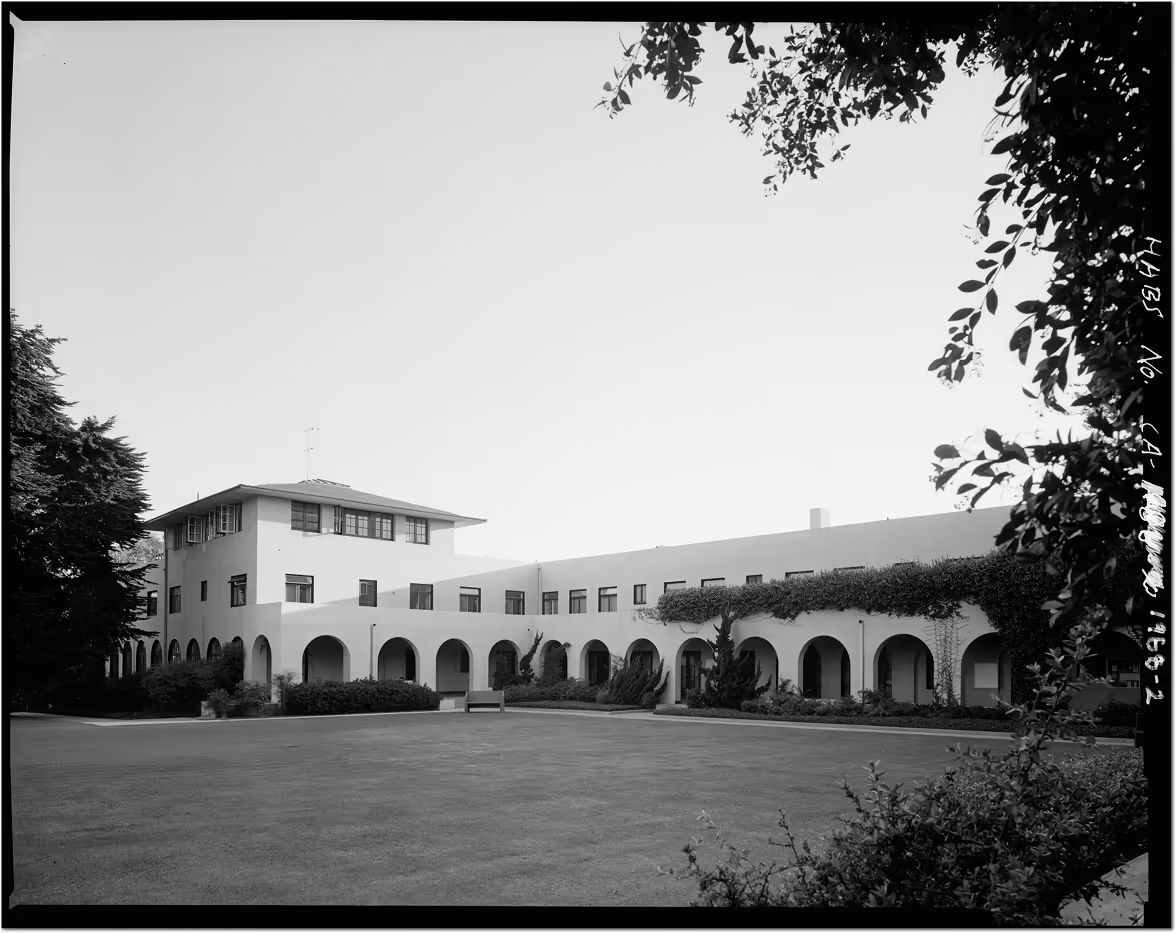
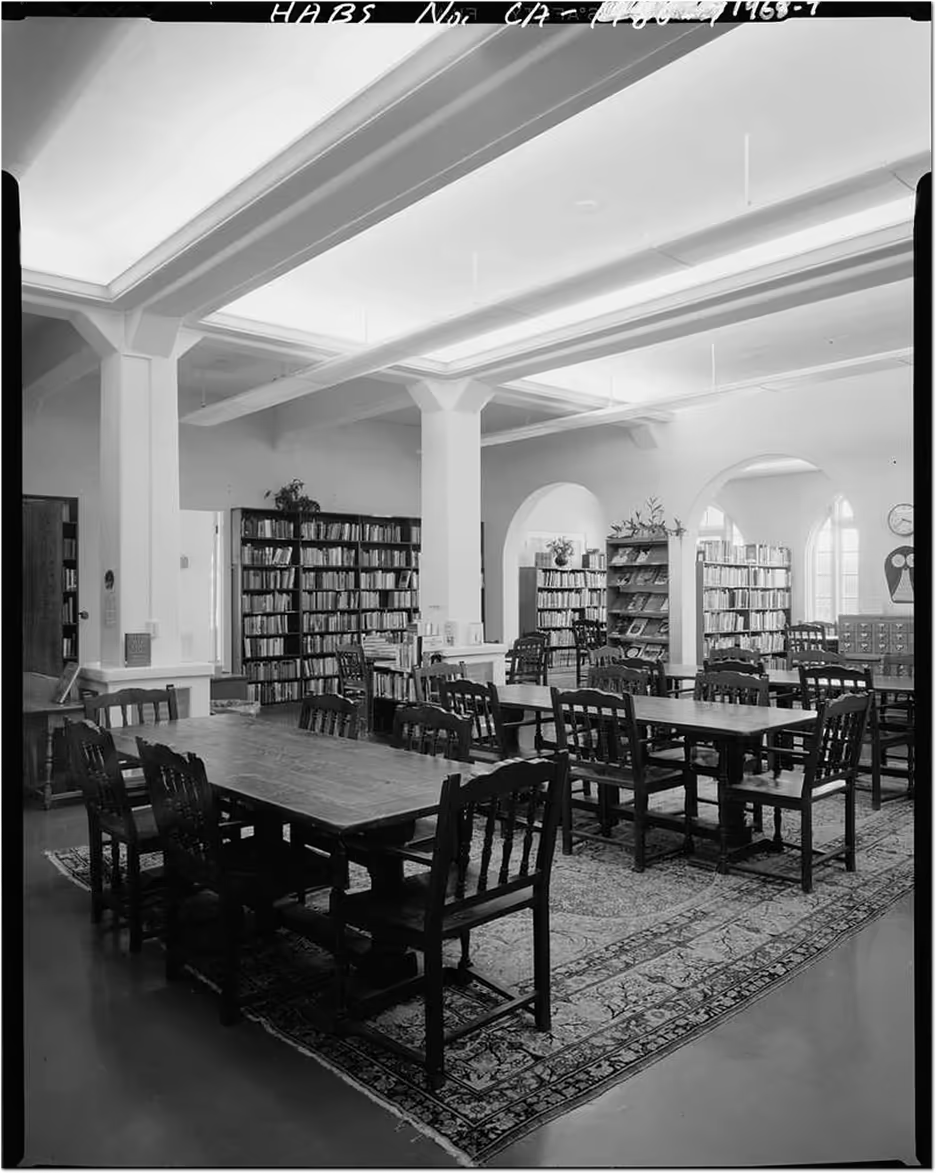
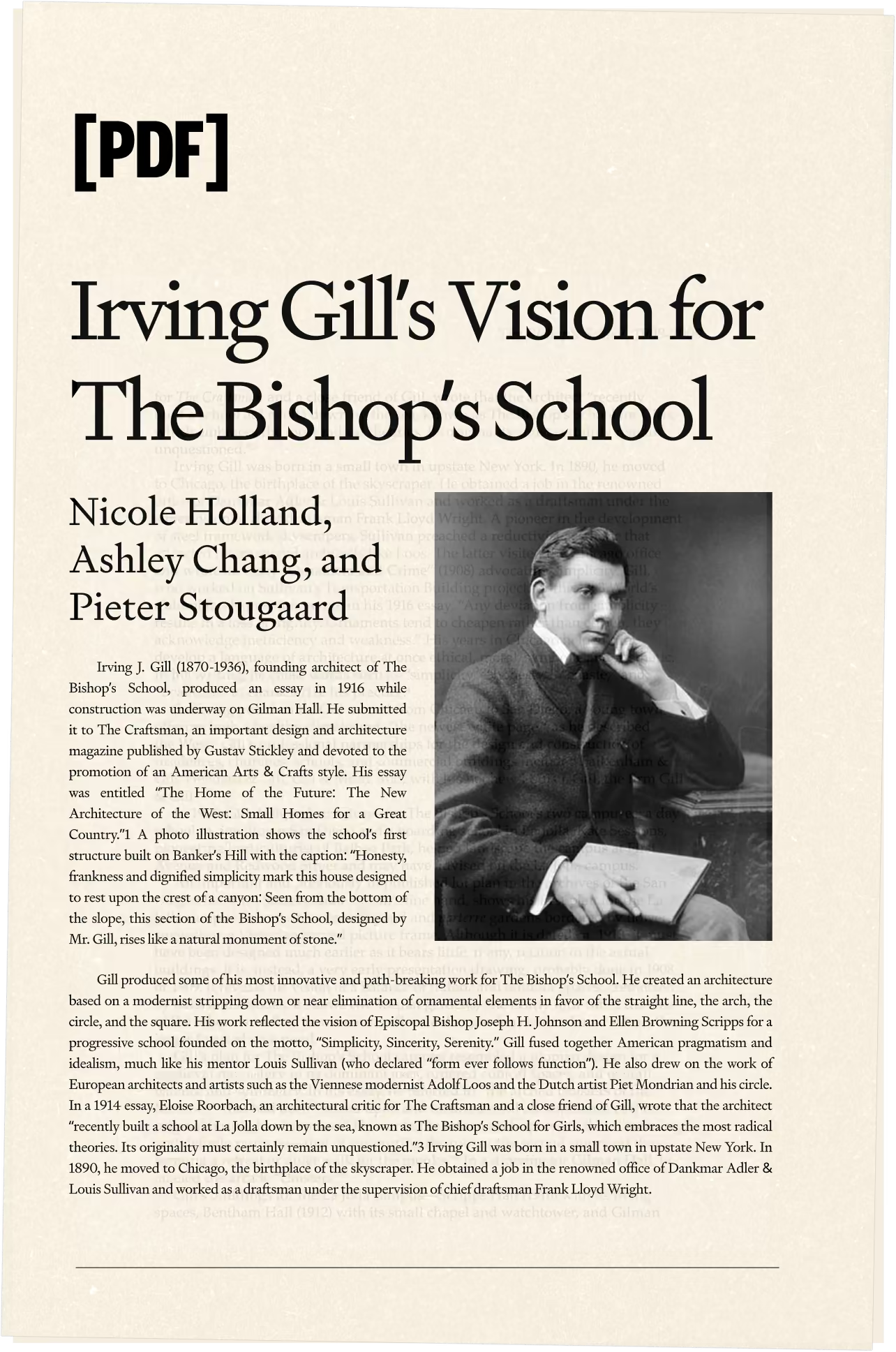
The Bishop's School (1909)
A campus shaped by geometry and landscape. Educational space imagined as air, sun, and disciplined mass-modernism as environment, not façade.