Louis Sullivan
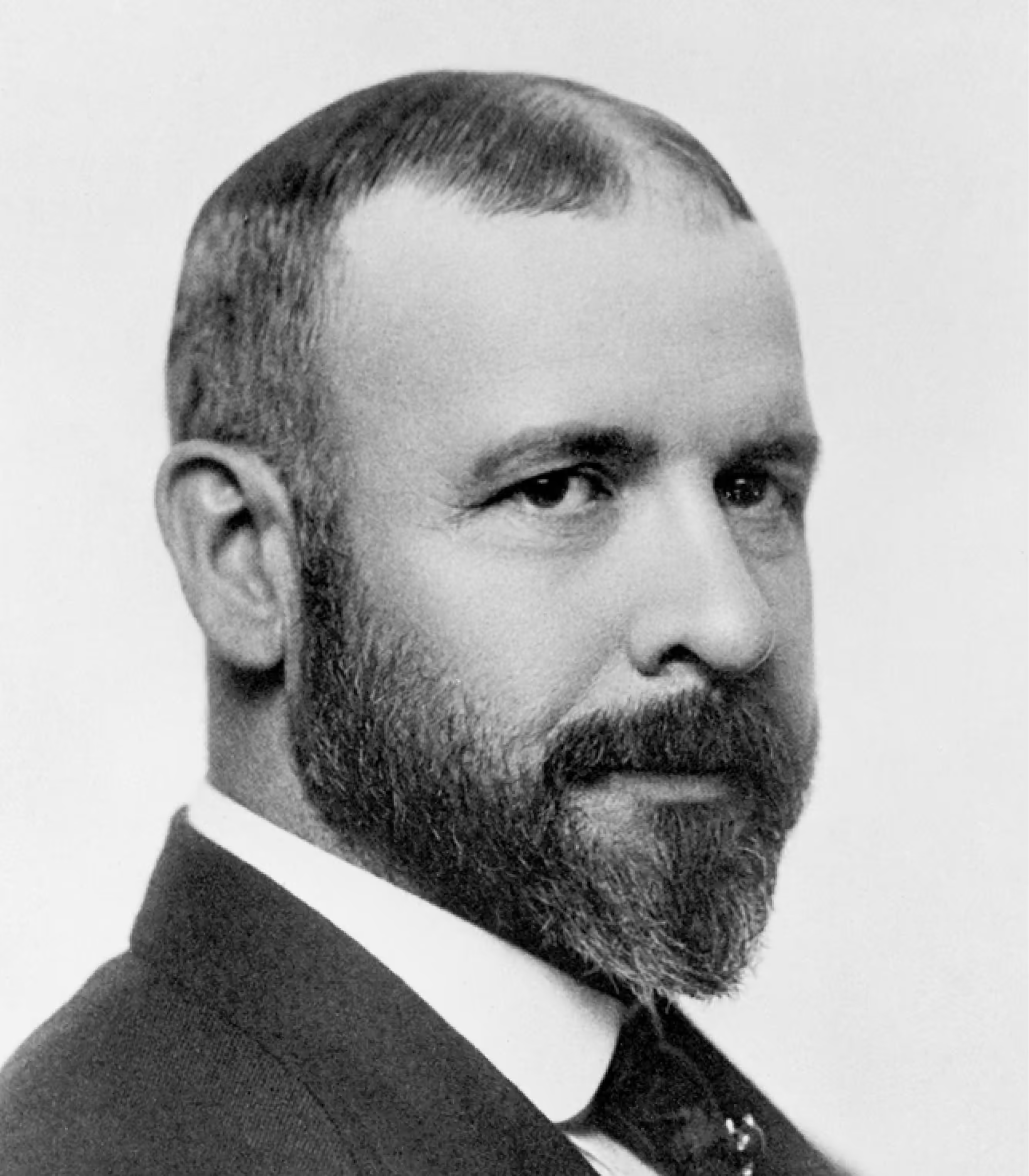
Born:
September 3, 1856, Boston, Massachusetts, US
Died:
April 14, 1924 (age 67), Chicago, Illinois, US
Louis Sullivan gave the skyscraper its grammar. While steel frames were already rising in Chicago, he made height legible. Not a stack of floors—a vertical organism with base, shaft, and crown. Structure became sentence.
In 1896, he wrote the line that would echo across continents: form ever follows function. For Sullivan, this wasn’t austerity. Function generated expression. Offices demanded vertical rhythm; retail demanded openness at the corner. Even his ornament—lush, botanical, tightly disciplined—grew from structure rather than masking it. Controlled organicism, never chaos.
Working within the Chicago School’s steel logic, he translated engineering into architecture people could read. And in his studio stood a young Frank Lloyd Wright, who later called him “dear master.” The lineage is direct. The skyline changed accordingly.
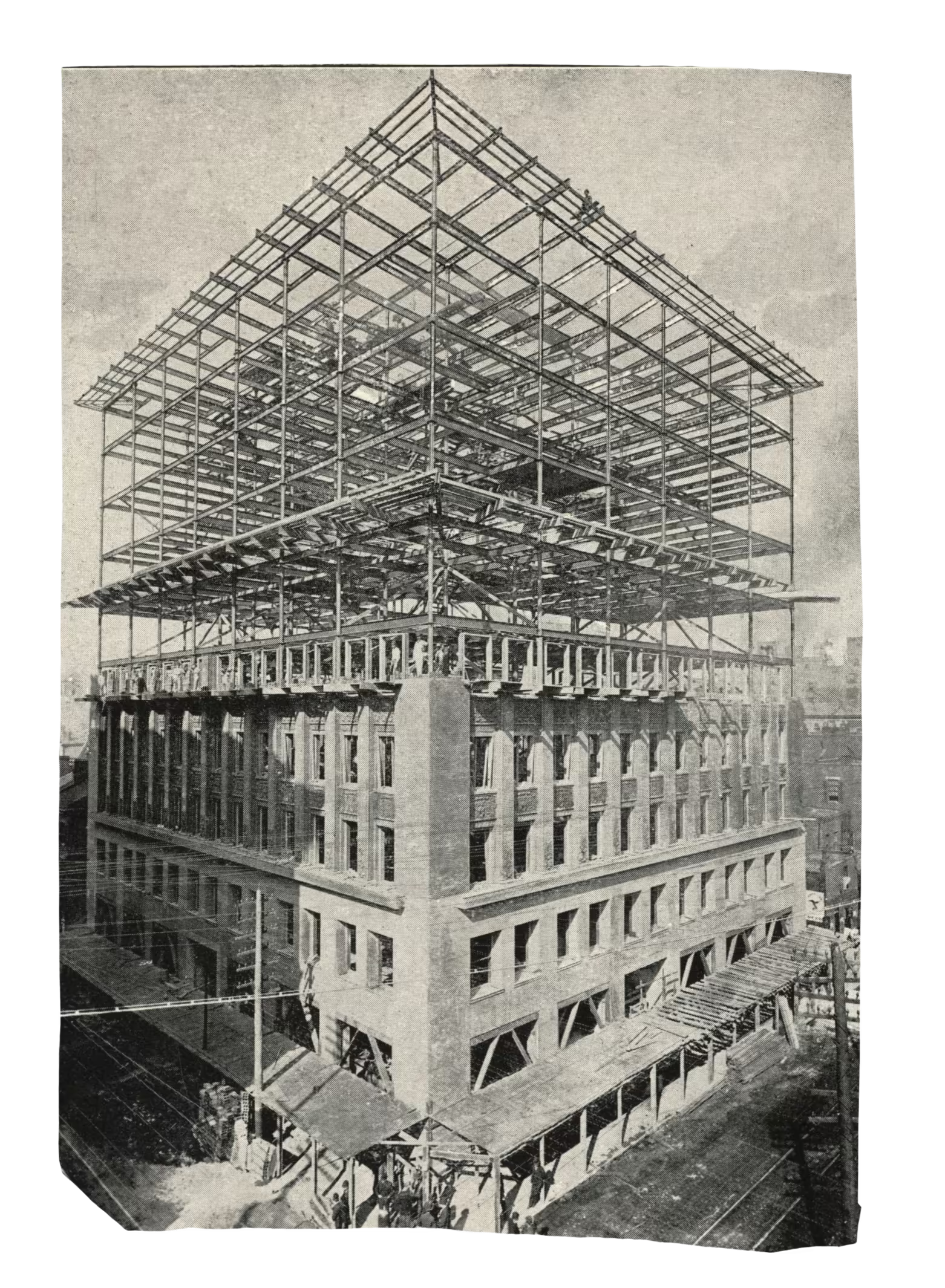
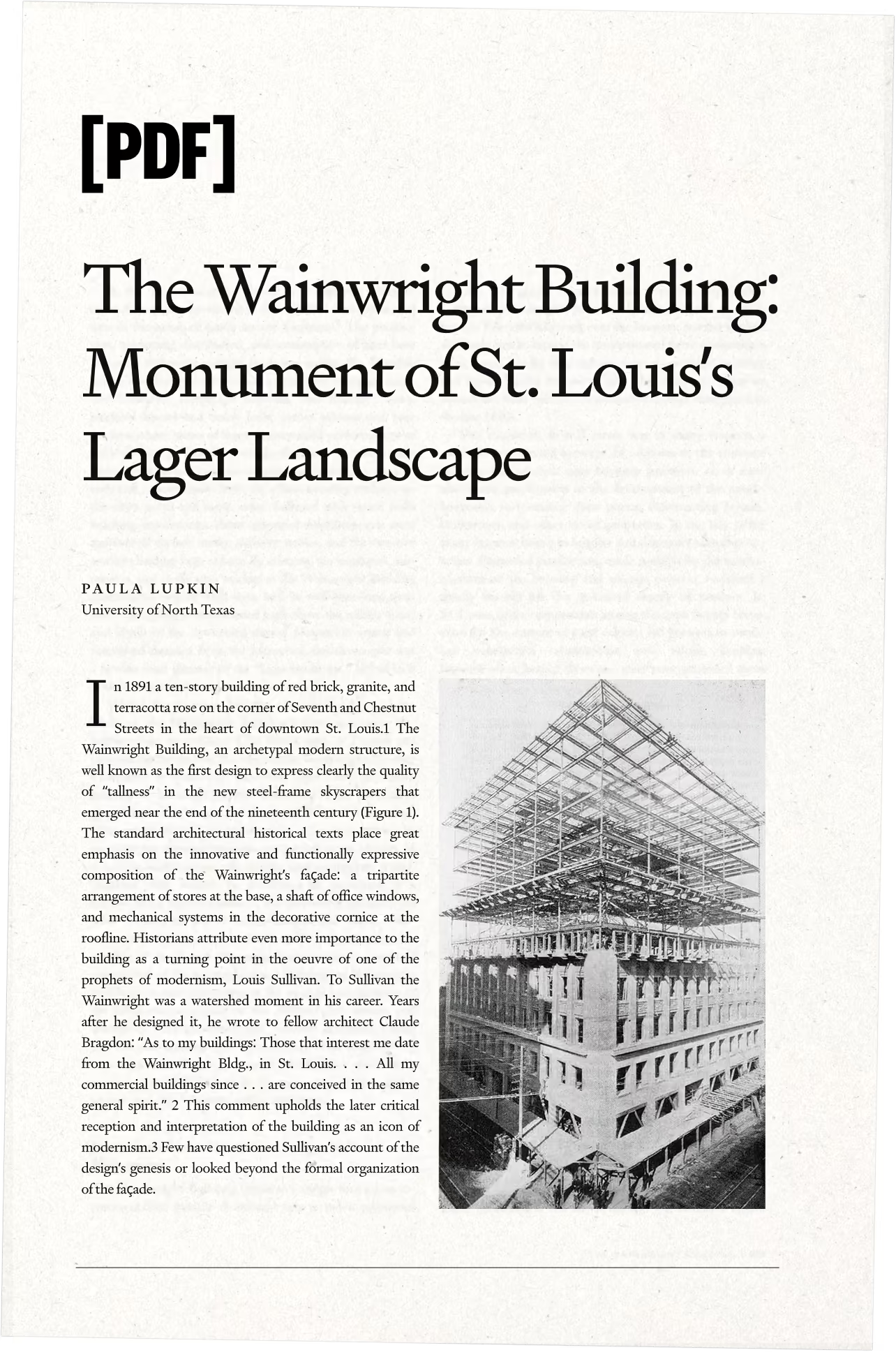
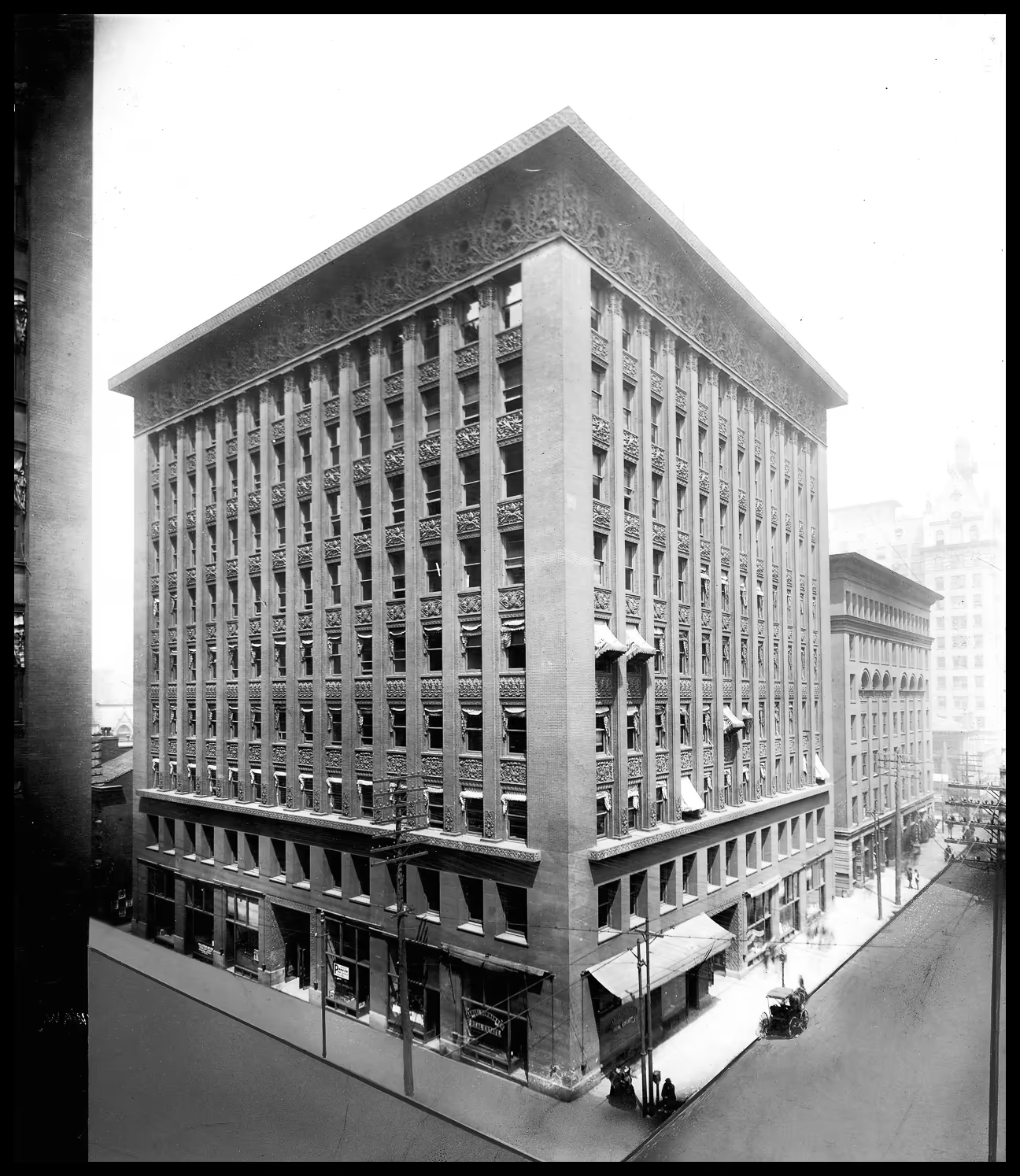
Wainwright Building (1890–1891)
One of the first true skyscrapers. Vertical piers pull the eye upward, turning height into architectural argument rather than mere accumulation of floors.
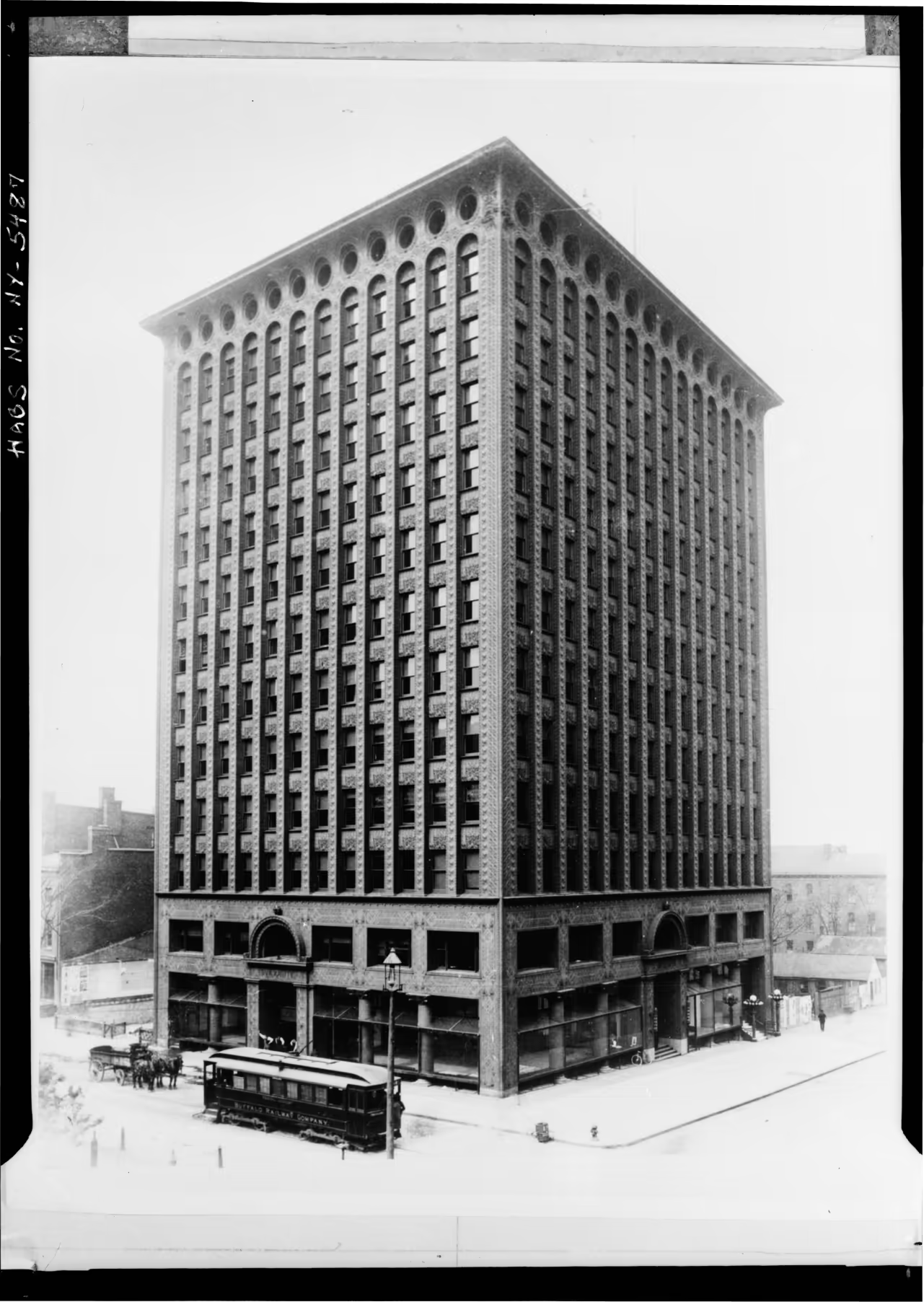
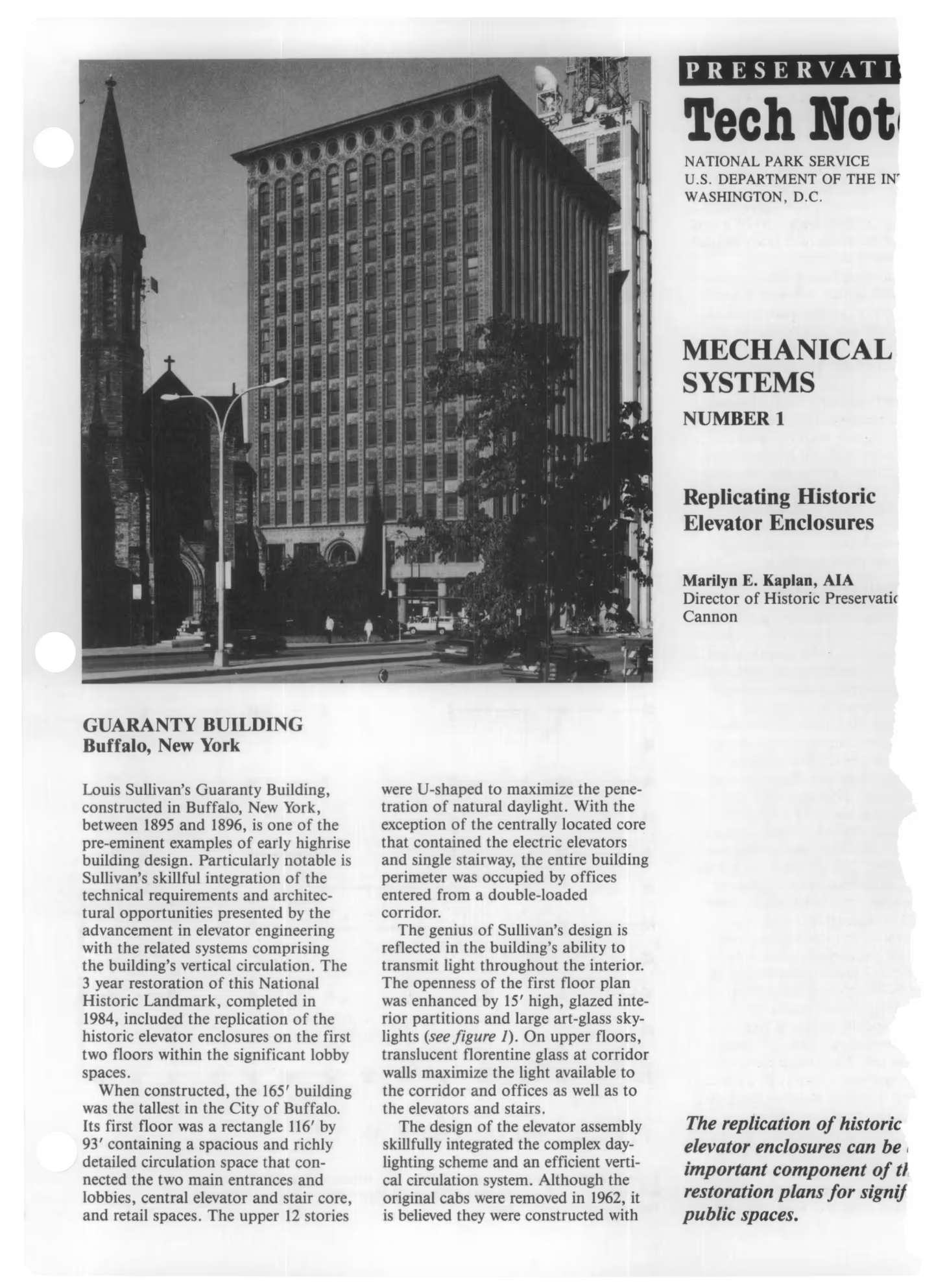
Guaranty Building (1894–1896)
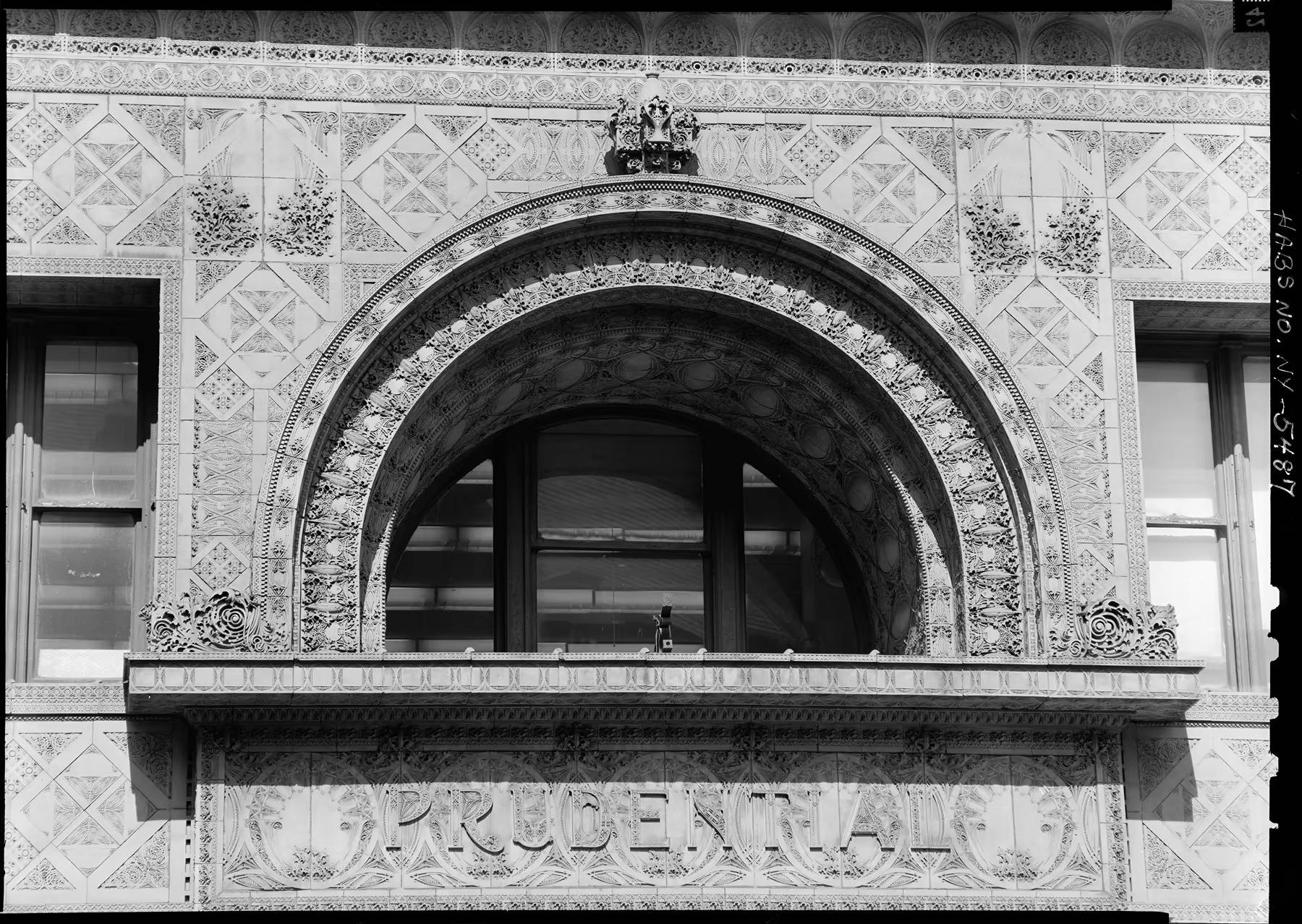
Steel skeleton, terracotta skin. Structure speaks through ornament-dense vegetal patterns disciplined by a clear tripartite façade.
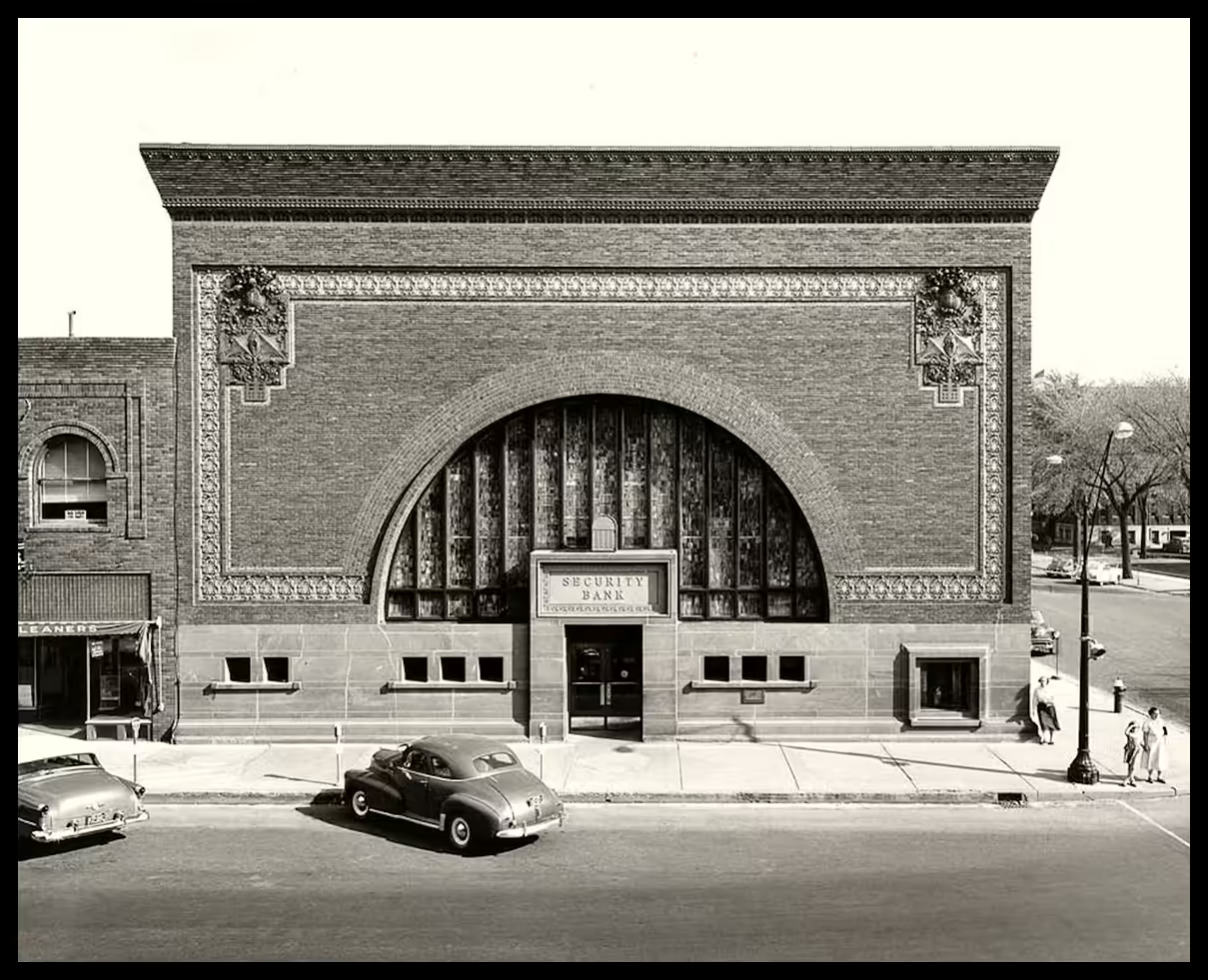
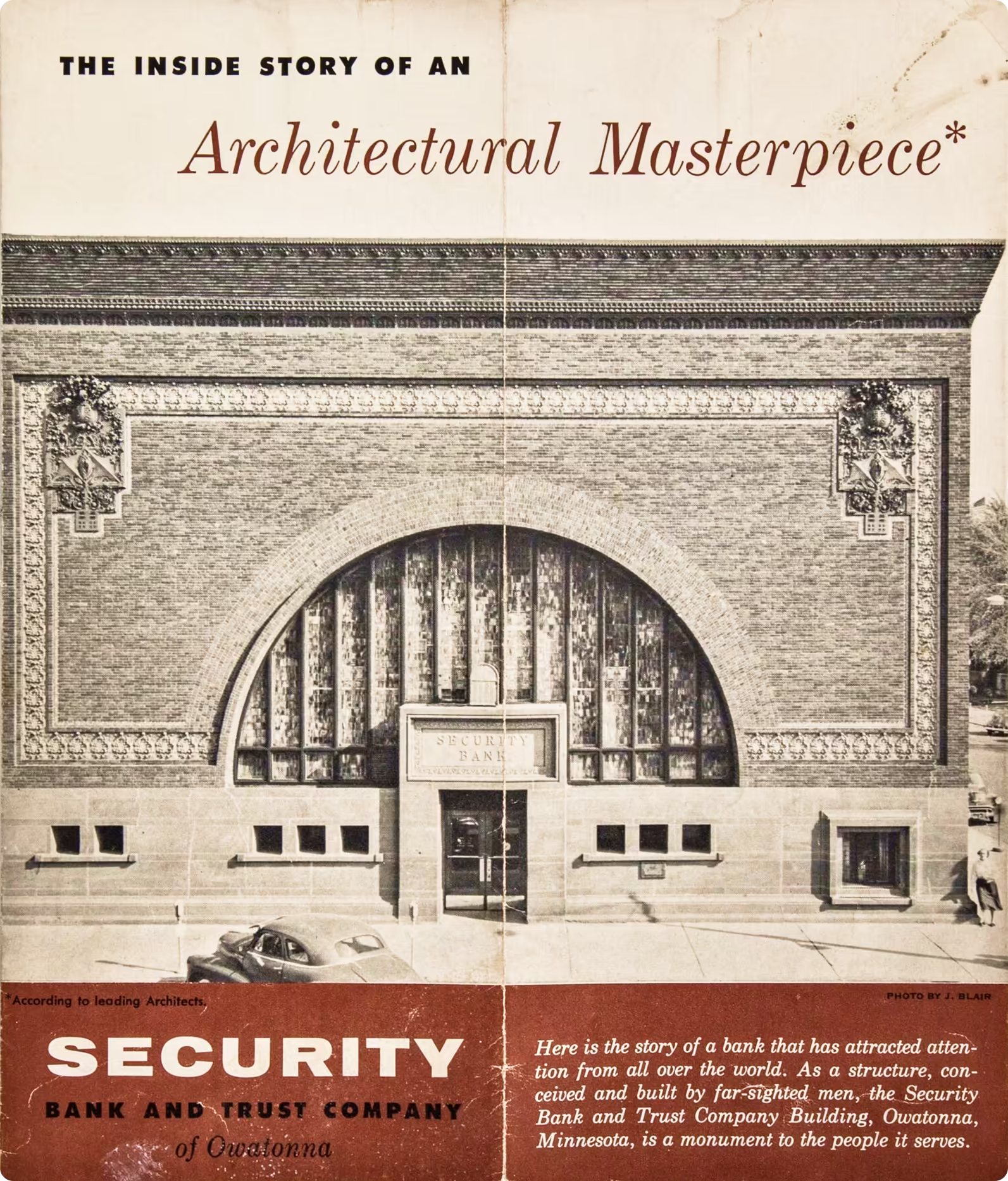
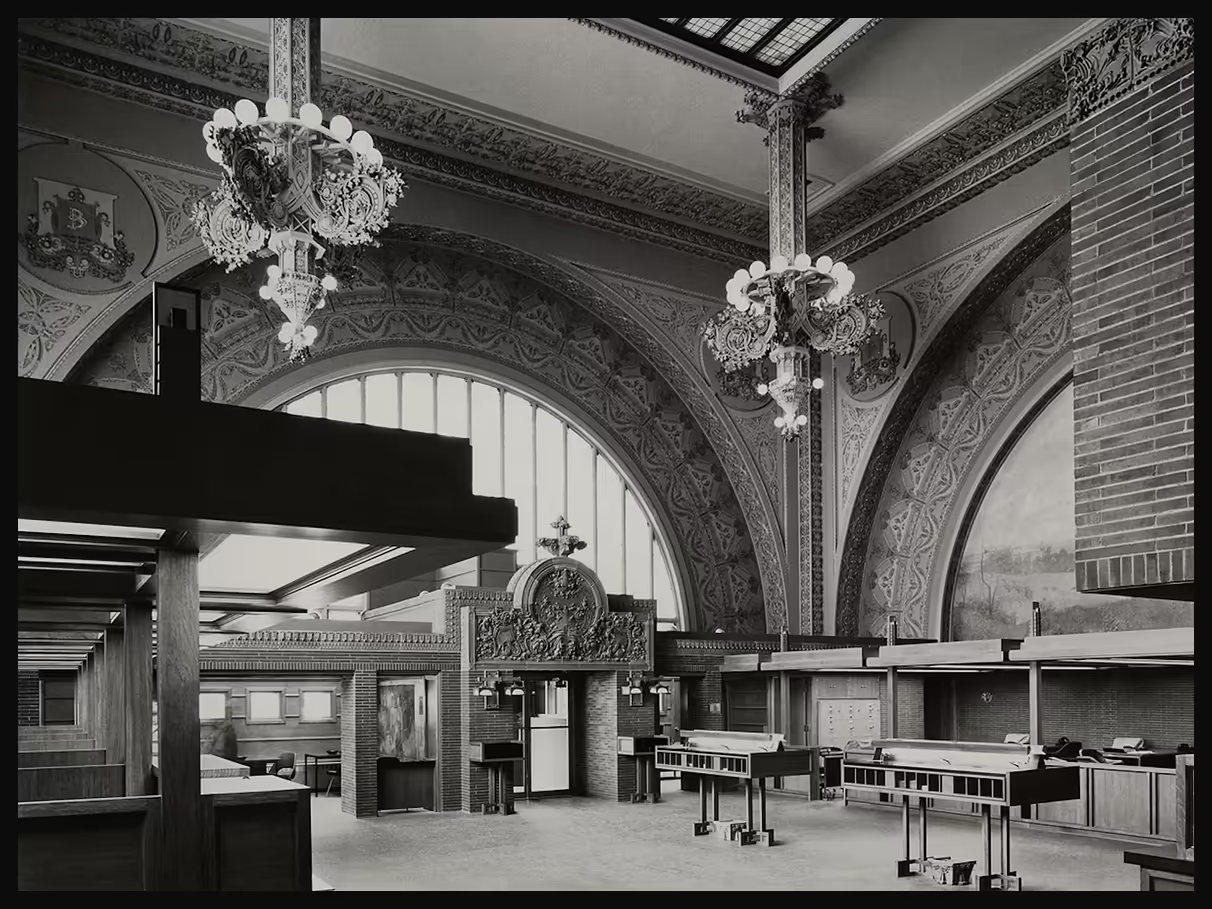
National Farmers' Bank of Owatonna (1908)
A small-town bank turned luminous. Compact scale, jewel-like ornament, modern structure wrapped in warmth rather than grandeur.