Mary Colter
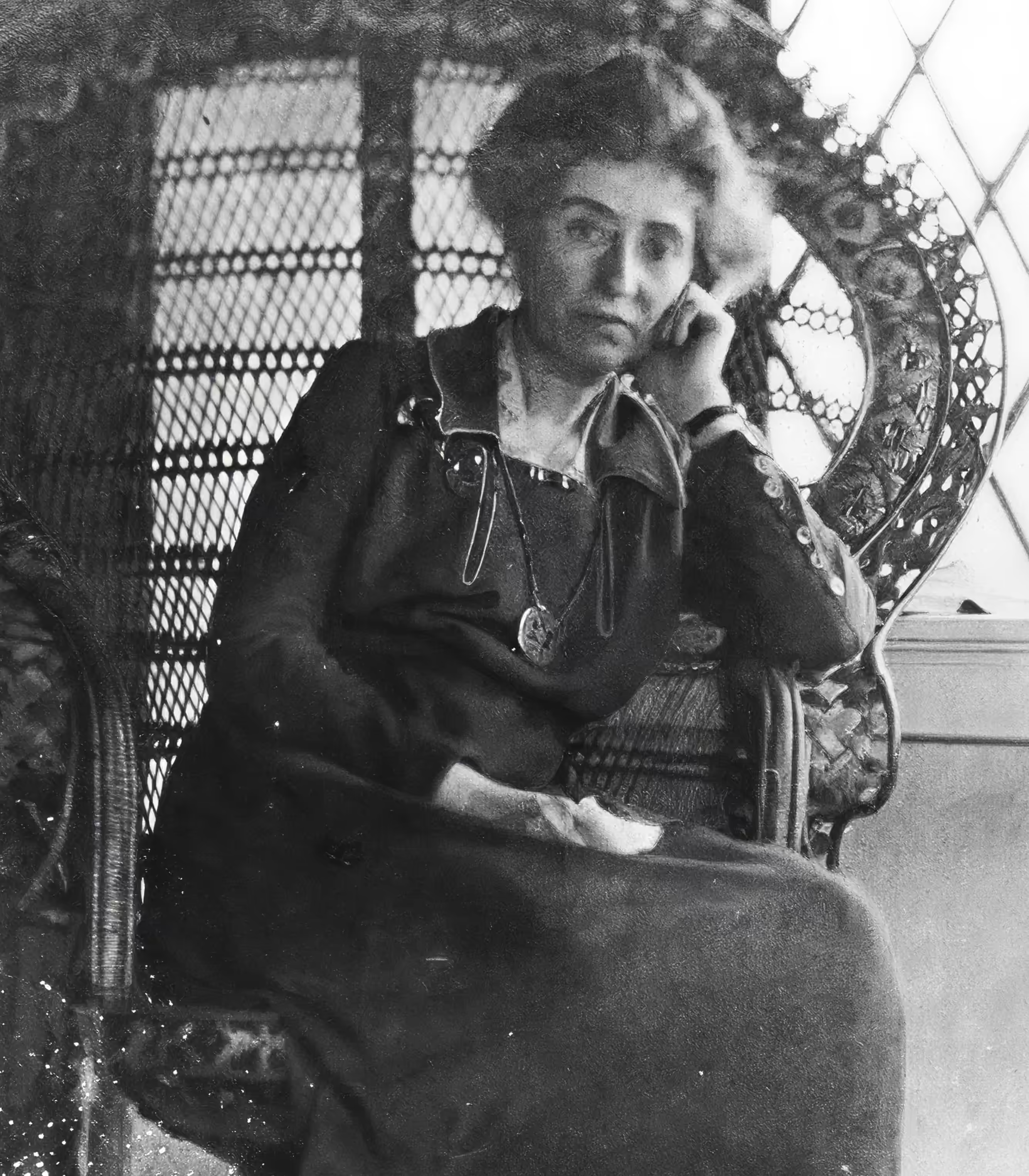
Born:
April 4, 1869, Pittsburgh, Pennsylvania, US
Died:
January 8, 1958 (age 88), Santa Fe, New Mexico, US
While others designed buildings, Mary Colter designed encounters. Long before “experience design” became a discipline, she was choreographing how a visitor approaches the rim, where they pause, what they see framed against the horizon. Architecture, for Colter, was staging—but never stage set.
Her structures at the Grand Canyon don’t compete with the landscape; they disguise themselves within it. Stone bleeds into cliff. Rooflines echo ridges. She blended Pueblo, tribal, and Spanish Colonial references into a language that felt native rather than imposed—often working with Indigenous artists and craftspeople directly.
As chief designer for the Fred Harvey Company, she defined how millions experience America’s national parks. Not spectacle. Sequence. Place, made legible through story.
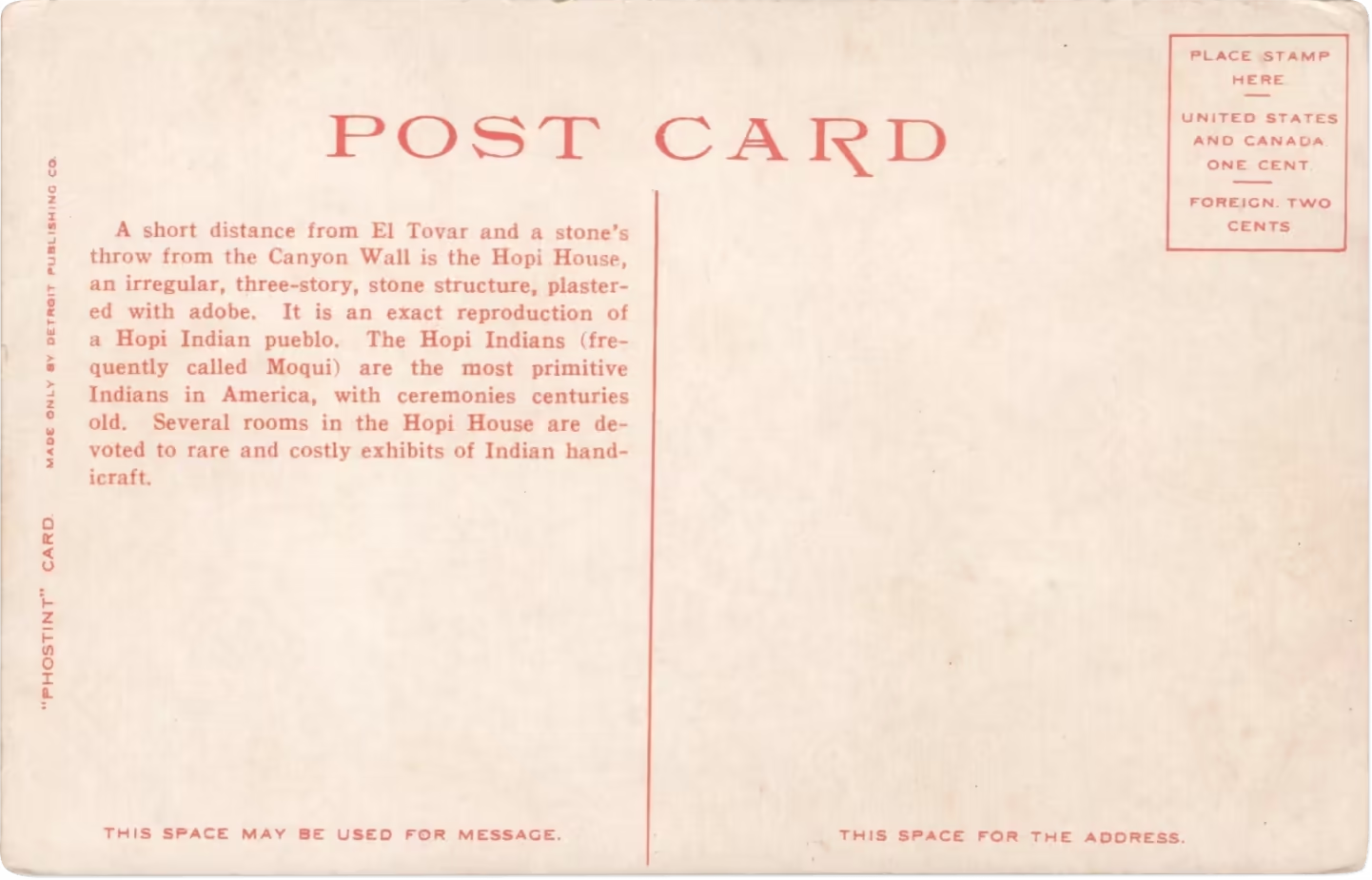
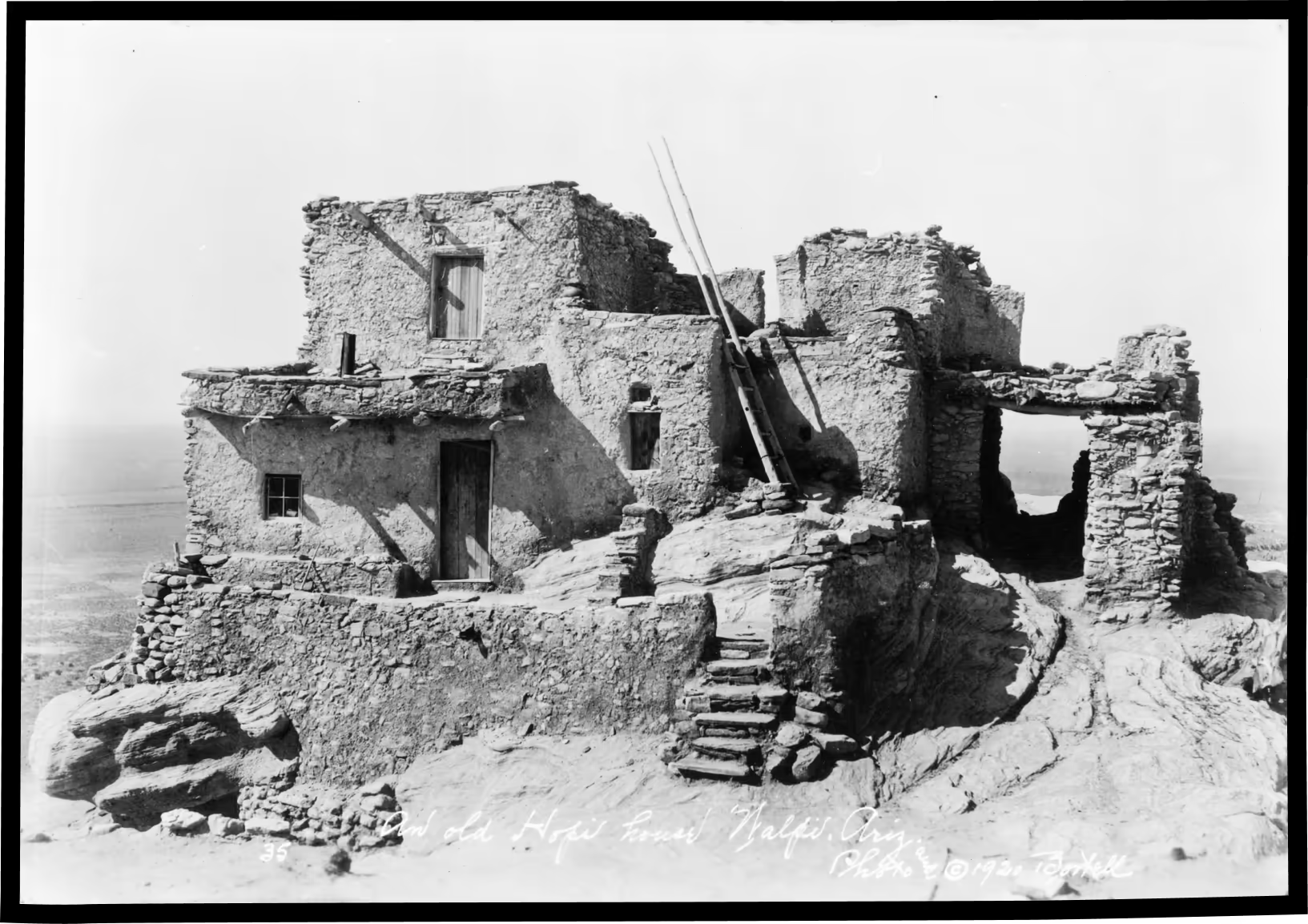
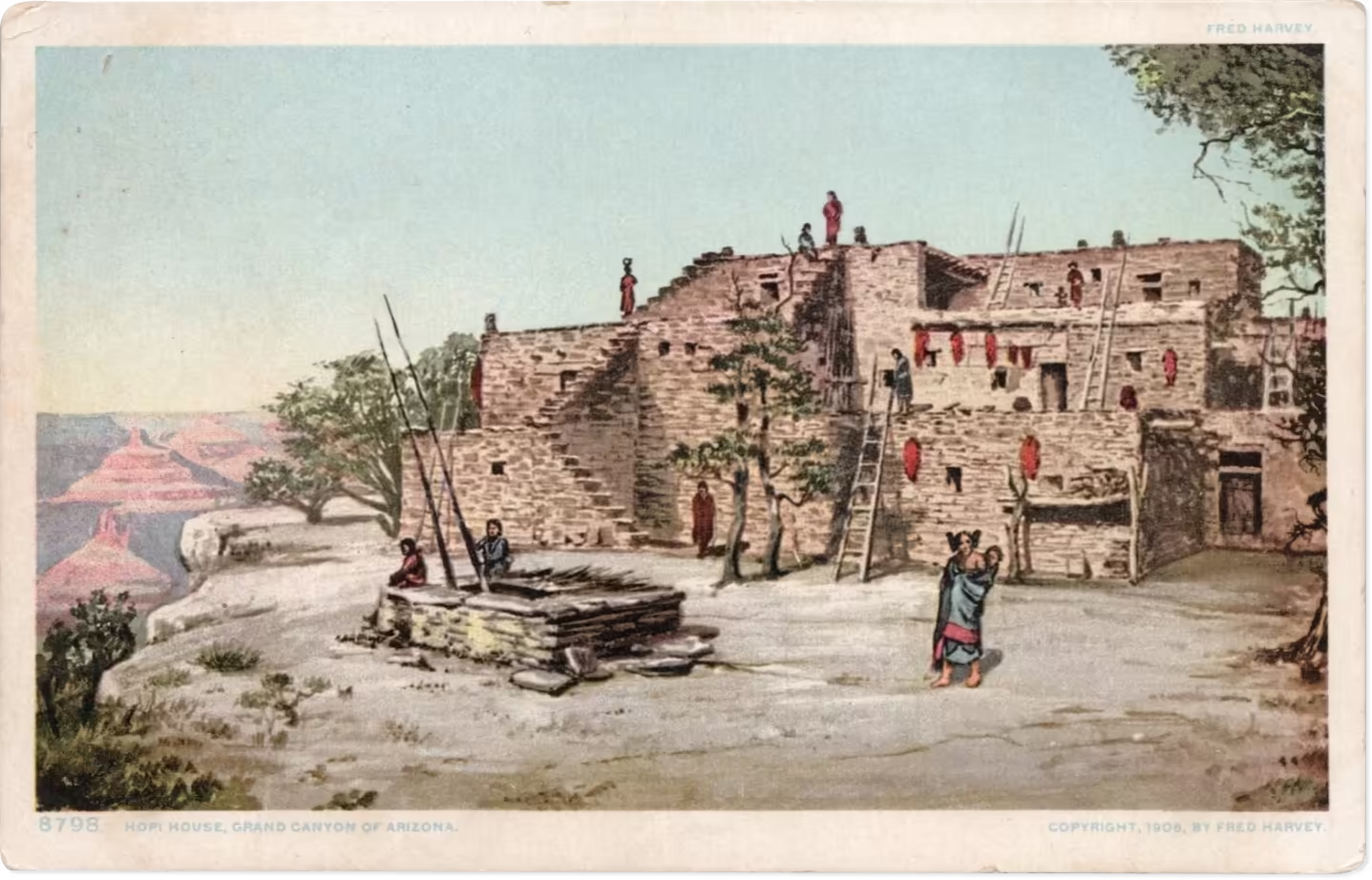
Hopi House (1905)
A marketplace shaped like a Pueblo dwelling, built with Hopi craftspeople on site. Commerce becomes cultural frame — architecture as ethnographic storytelling, not backdrop.
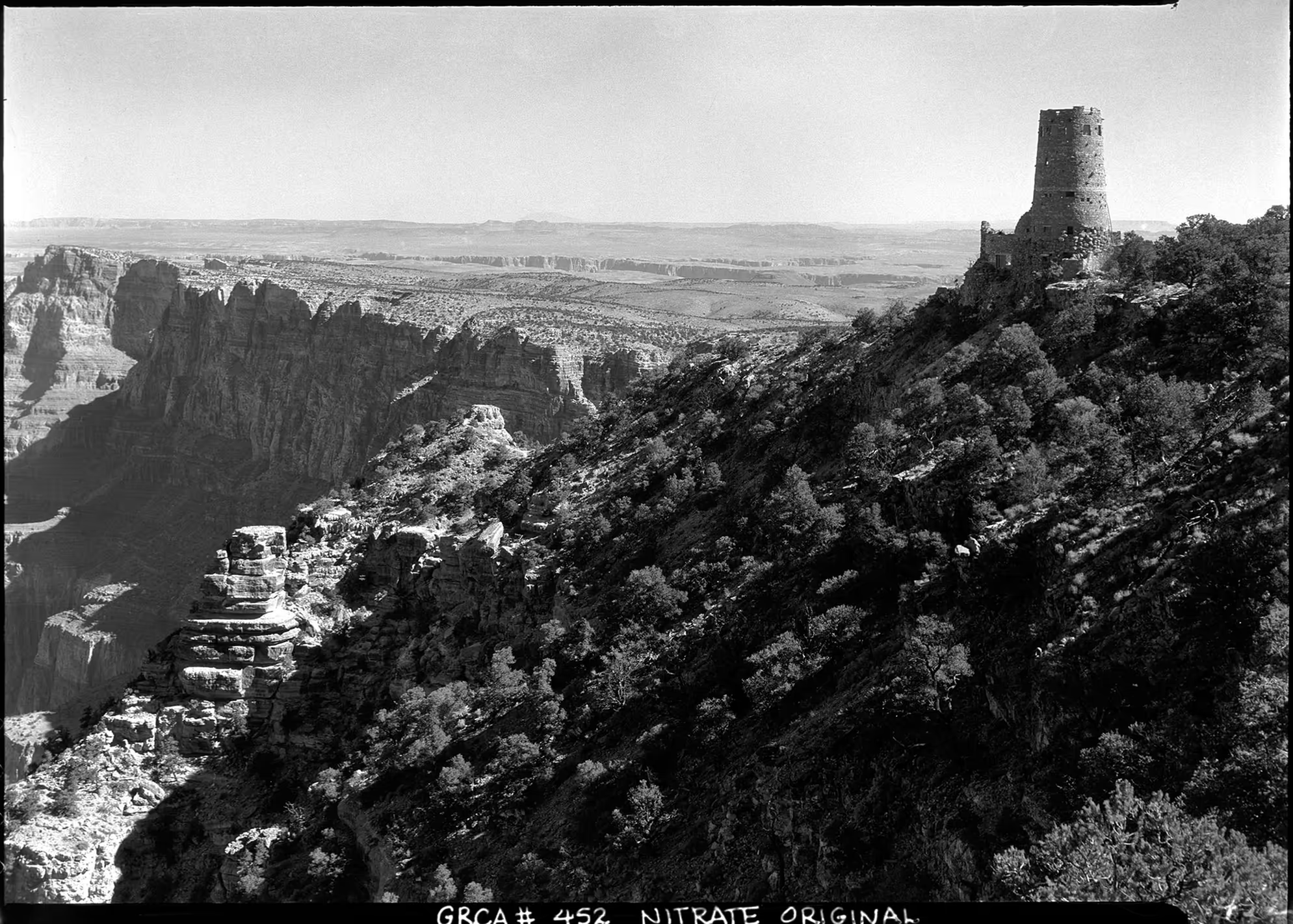
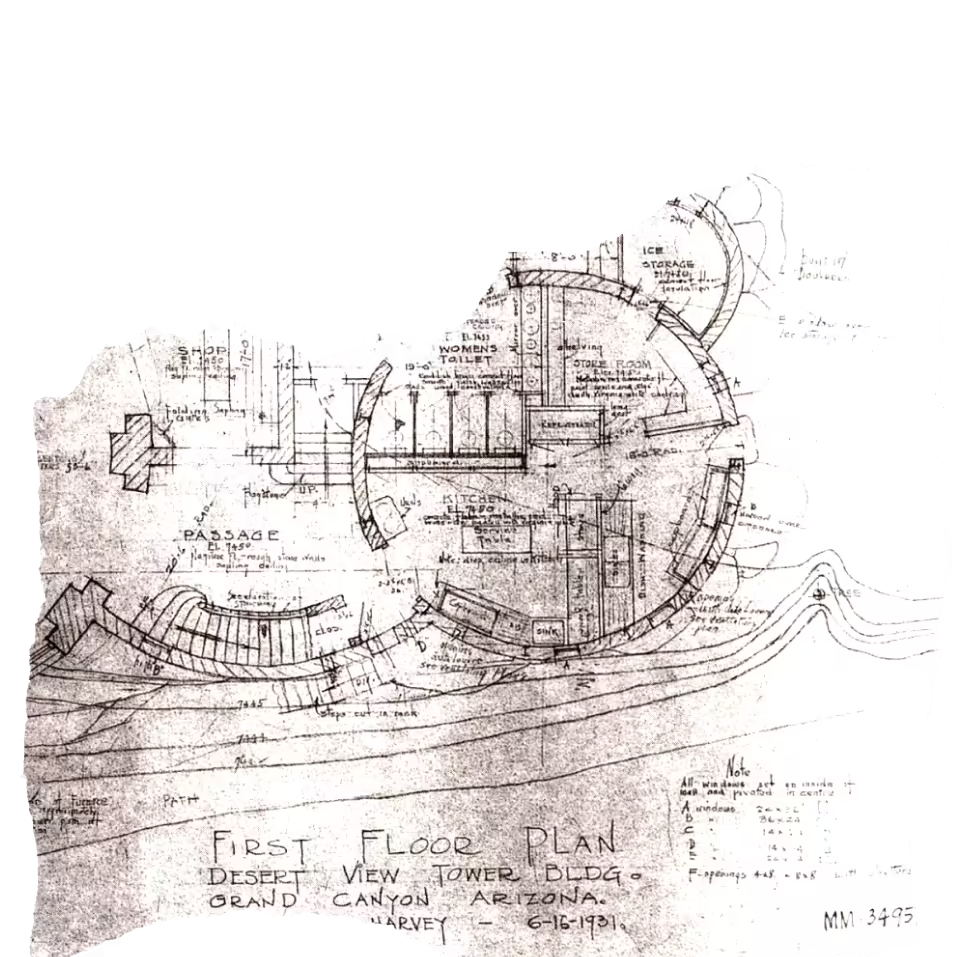
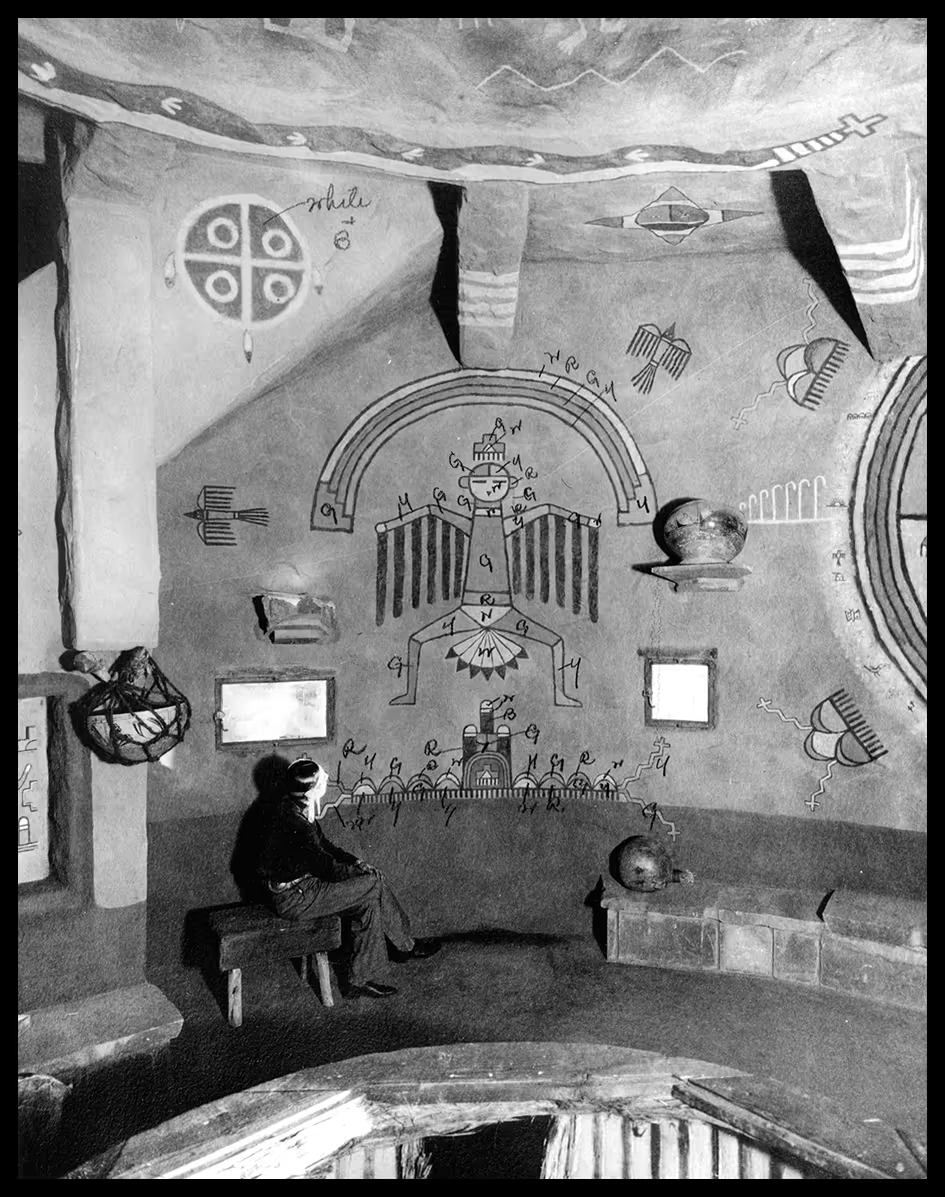
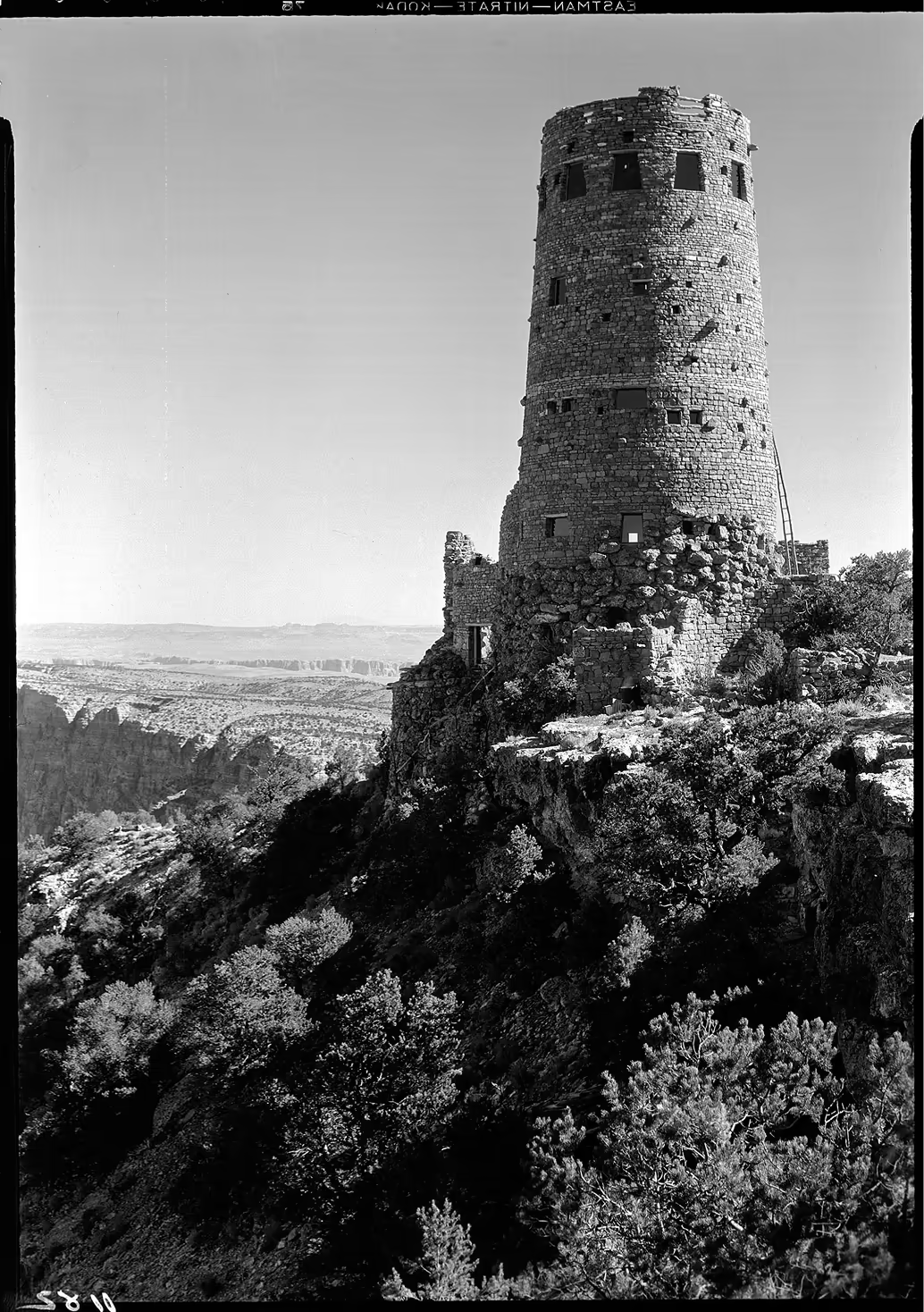
Desert View Watchtower (1932)
A 70-foot stone tower concealing steel within. Interior murals by Hopi artist Fred Kabotie layer history upward, turning ascent into cultural passage.
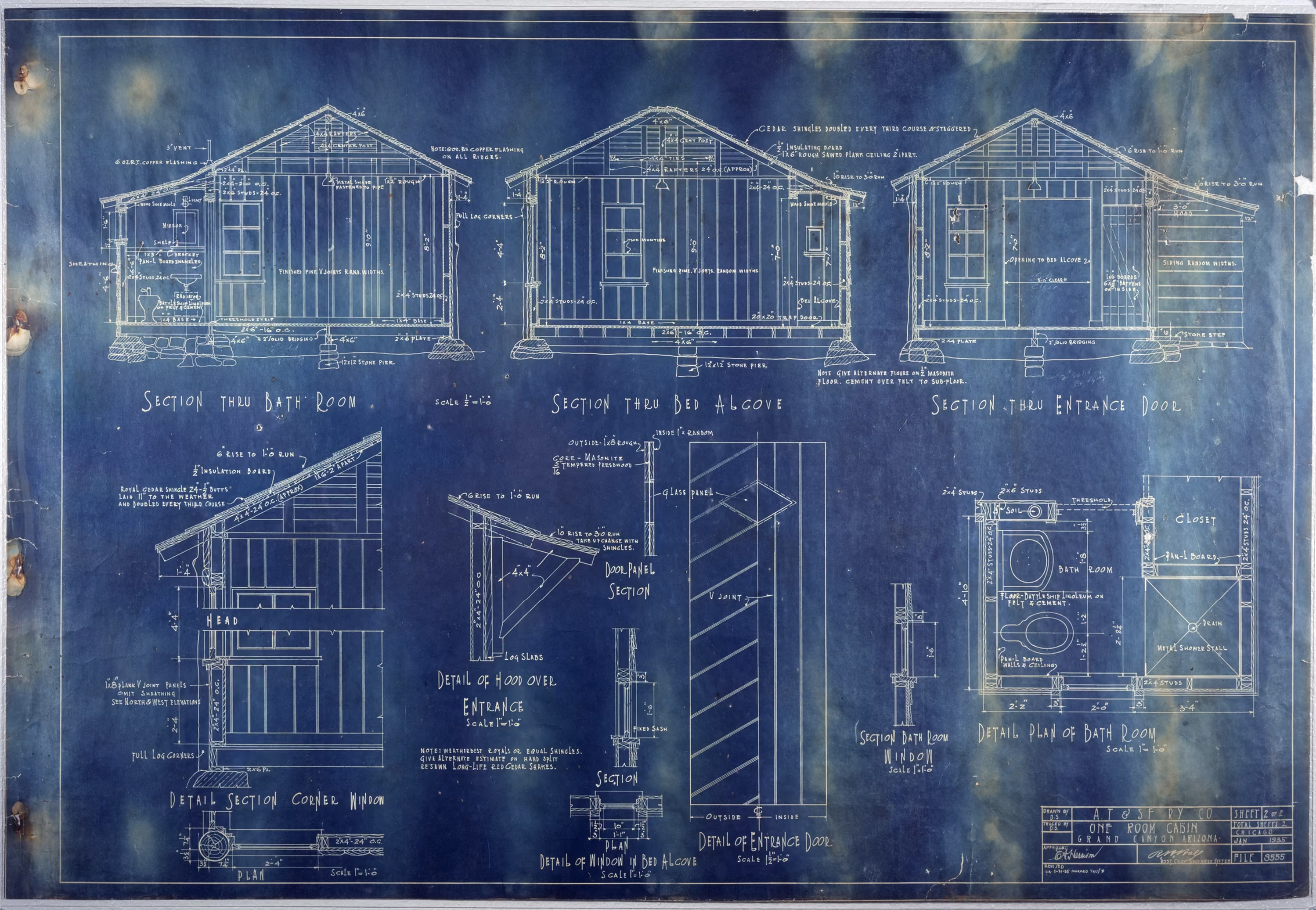
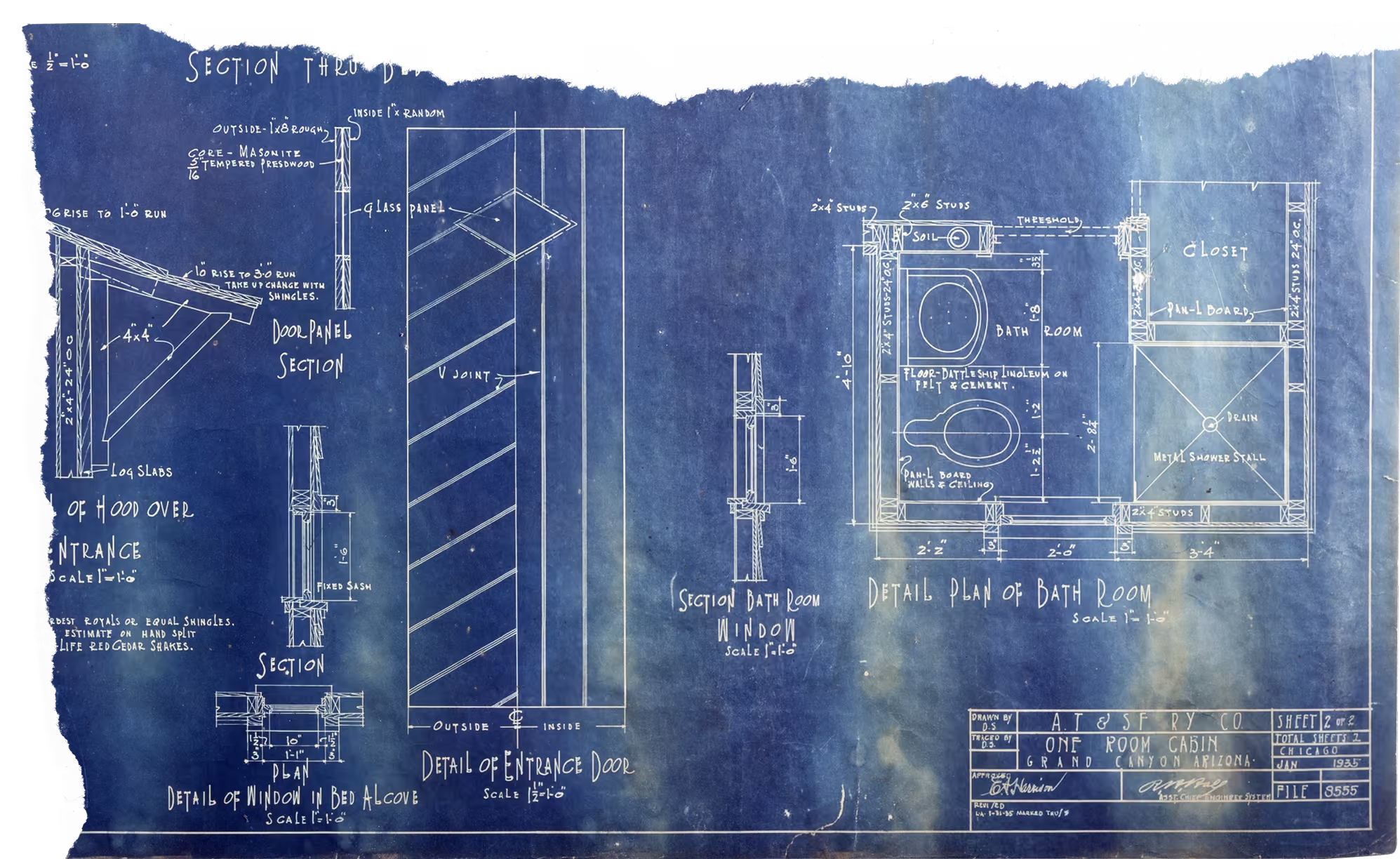
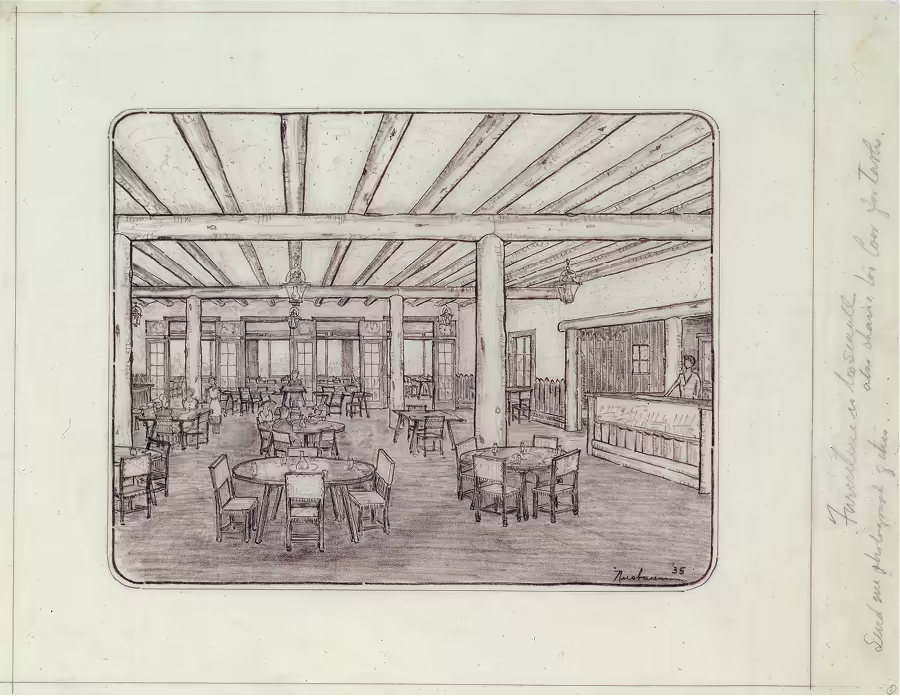
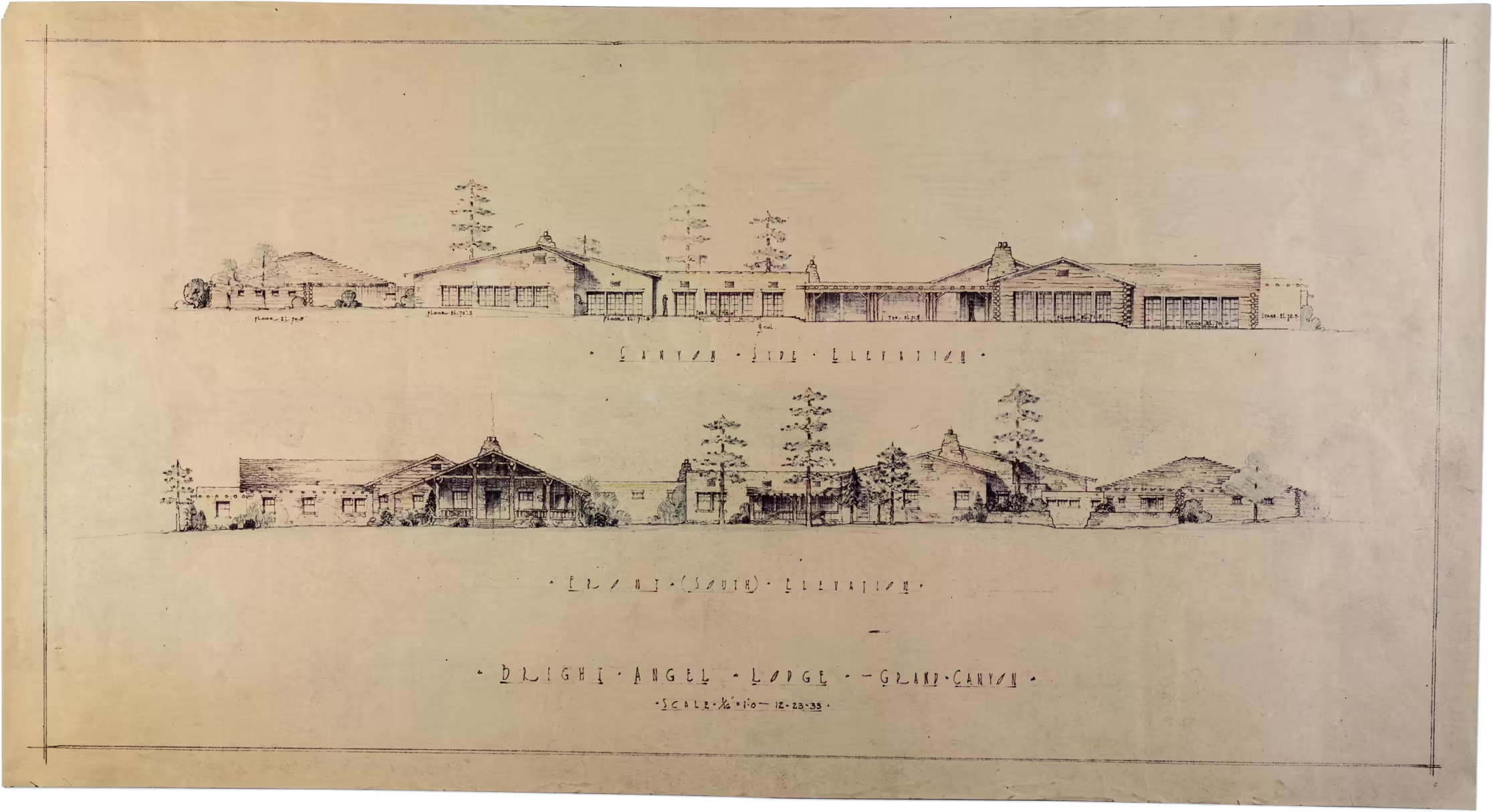
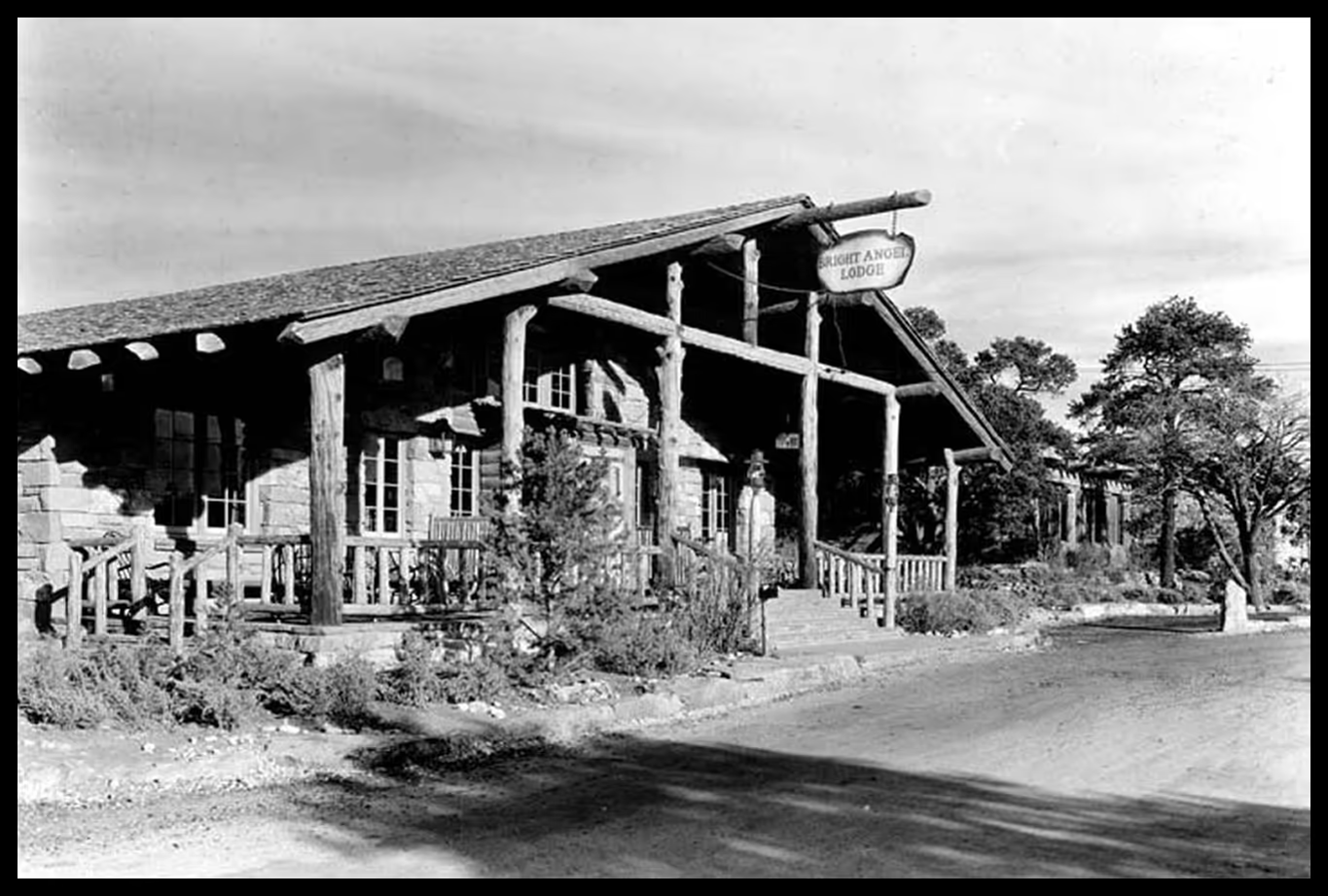
Bright Angel Lodge (1935)
A cluster of timber, stone, and adobe structures. Modest, tactile, human-scaled — hospitality without grandeur, tourism without theatrical excess.