I. M. Pei

Born:
April 26, 1917, Guangzhou, China
Died:
May 16, 2019 (age 102), Manhattan, New York City, US
I. M. Pei’s architecture was lucid, more than anything. Geometry, for him, wasn’t abstraction but orientation: a way to guide the body, frame the void, and carve clarity into space. His buildings begin with movement—where you enter, where you pause, where light takes over.
Pei worked with industrial materials—glass, steel, pre-cast concrete—but treated them with surgical restraint. He engineered transparency as an architectural principle, not just an aesthetic one. When the site called for invisibility, he buried the building. When it needed orientation, he marked it with geometry.
He brought radical geometries into the realm of civic architecture, easing the world into diagonals and prisms without breaking function. Context ruled. Form followed, but with purpose.
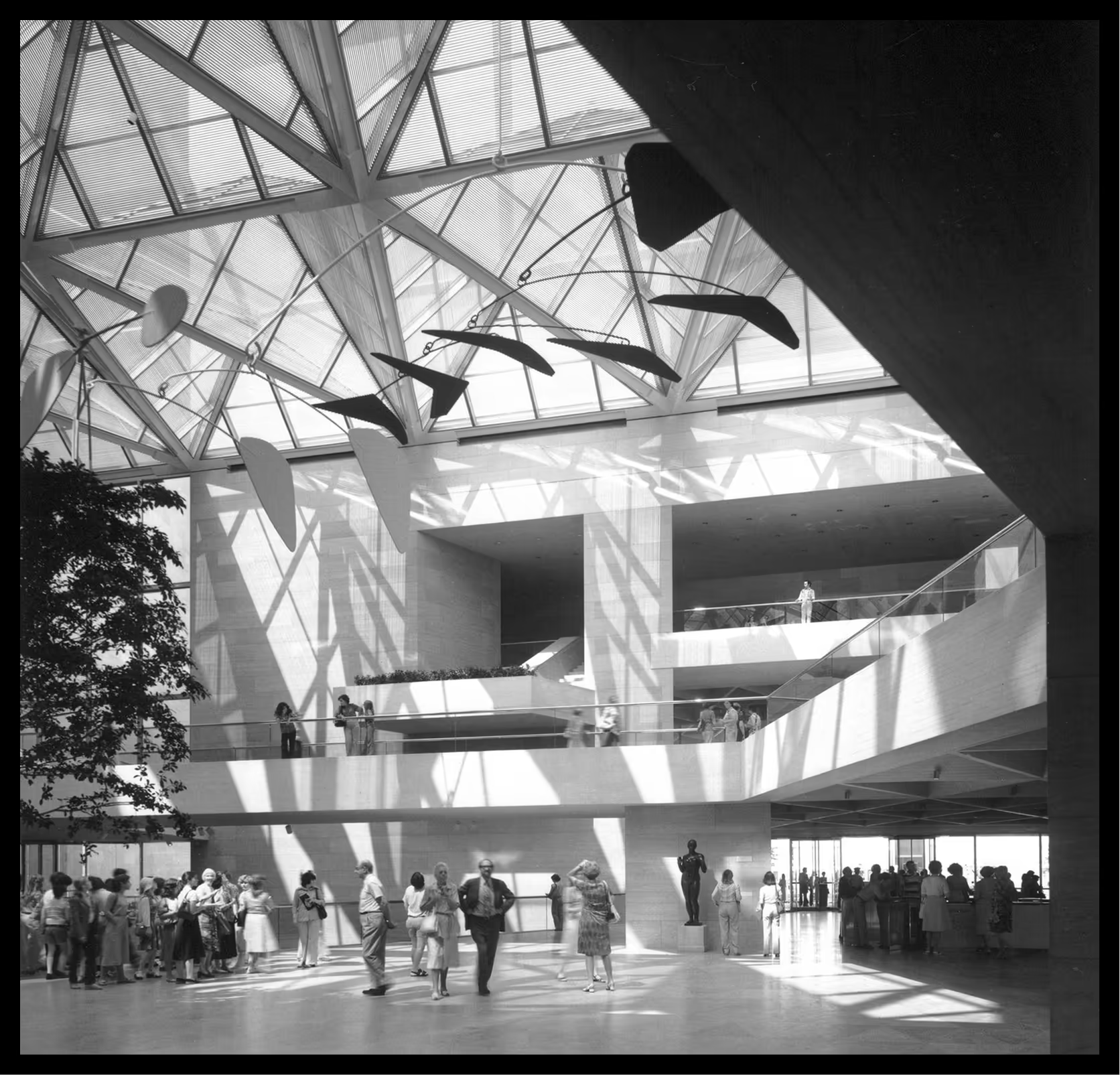
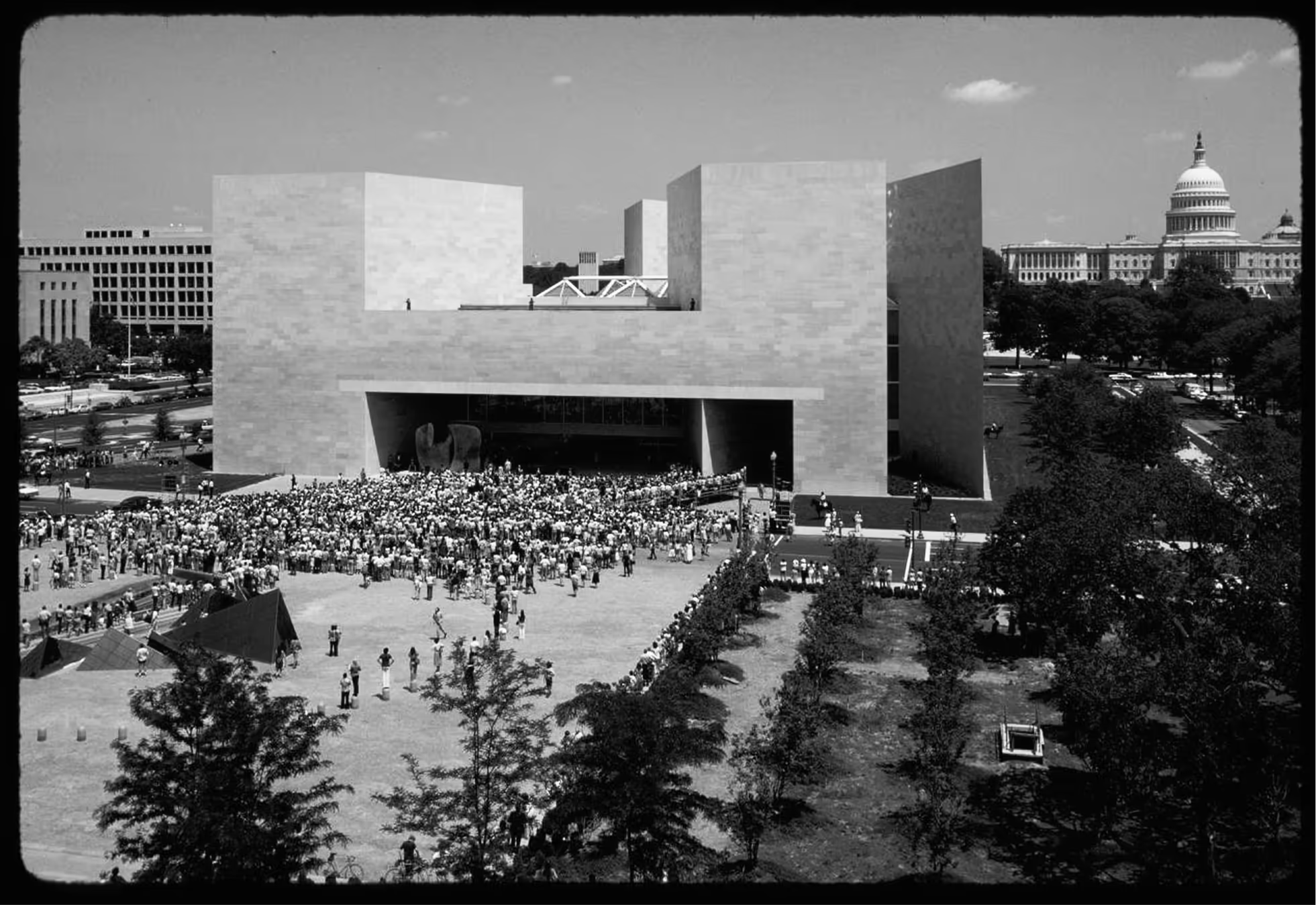
East Building, National Gallery of Art (1978)
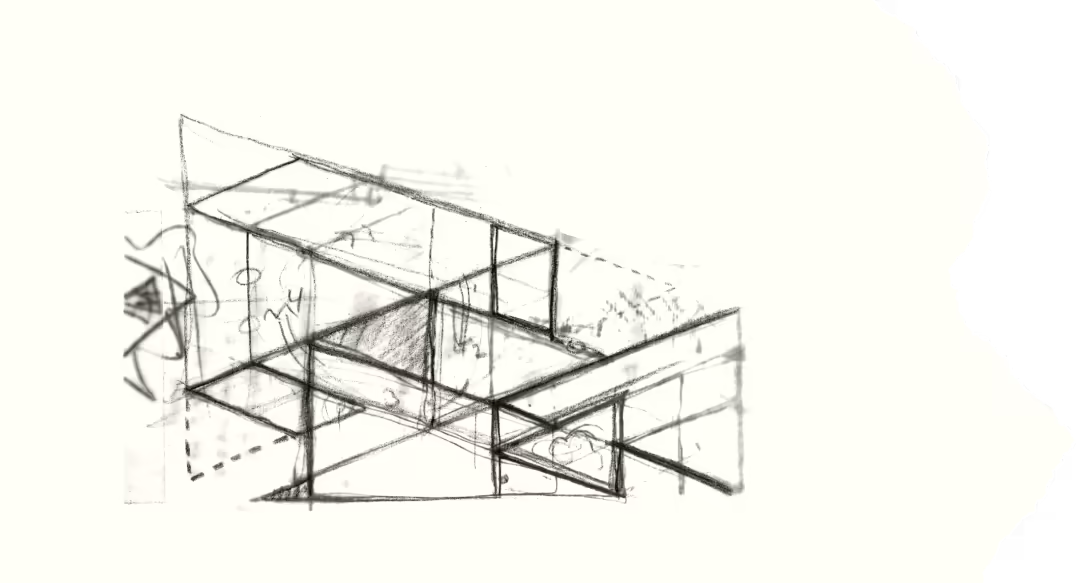
The plan starts with a triangle — and everything flows from there. Galleries interlock across angular axes, with a glass atrium anchoring the building’s circulation and light.
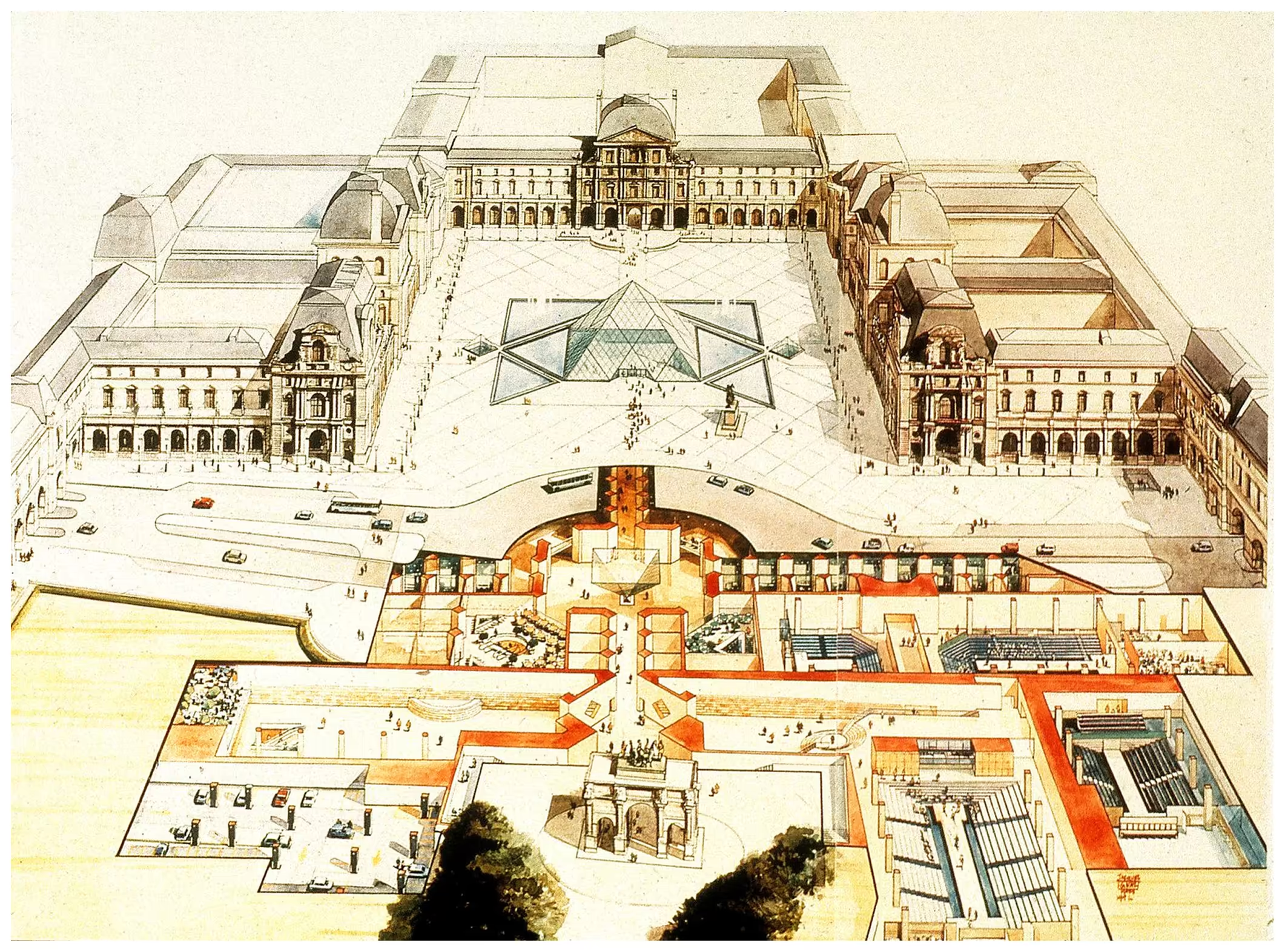
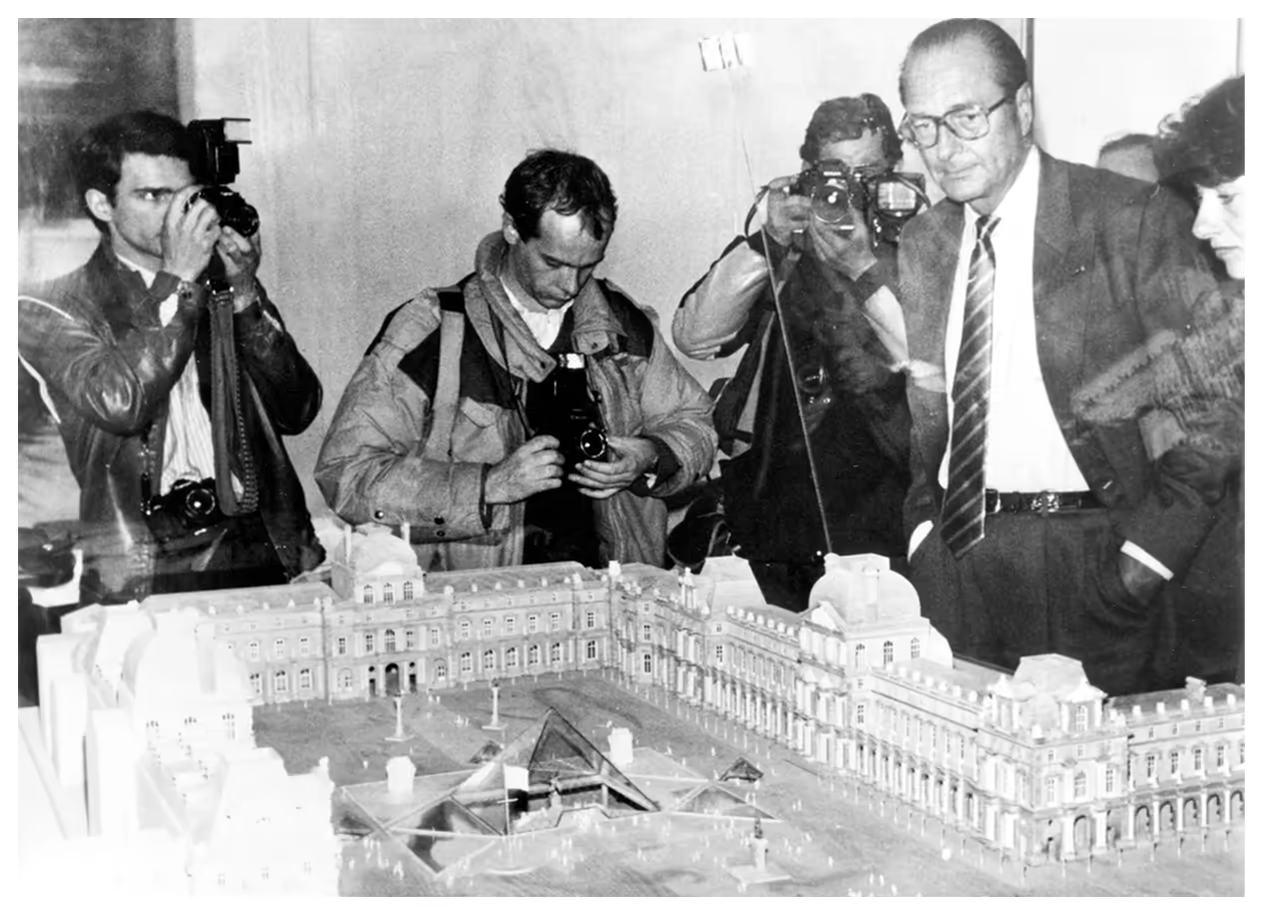
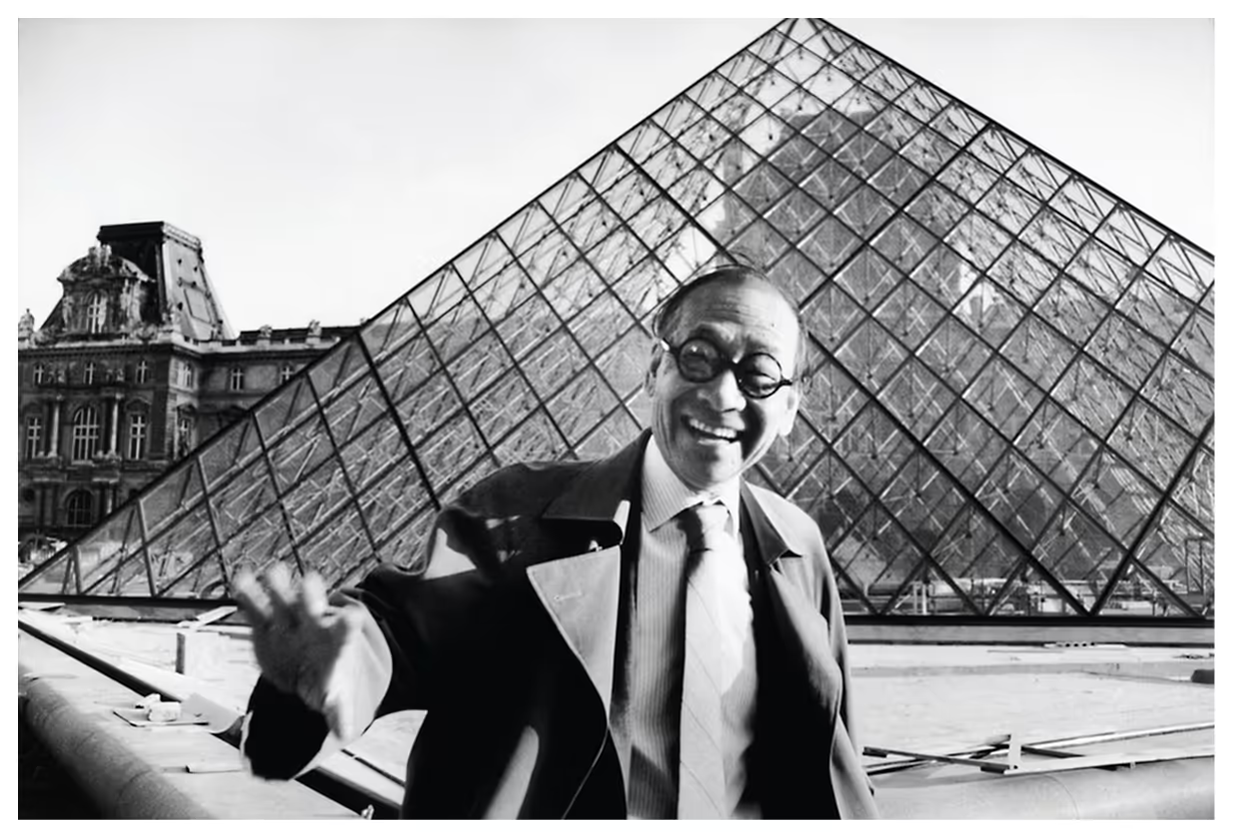
Louvre Pyramid (1989)
Glass and steel rewire a historic site. The pyramid acts as a central threshold, organizing entry, drawing daylight below, and keeping the museum’s facades unobstructed.
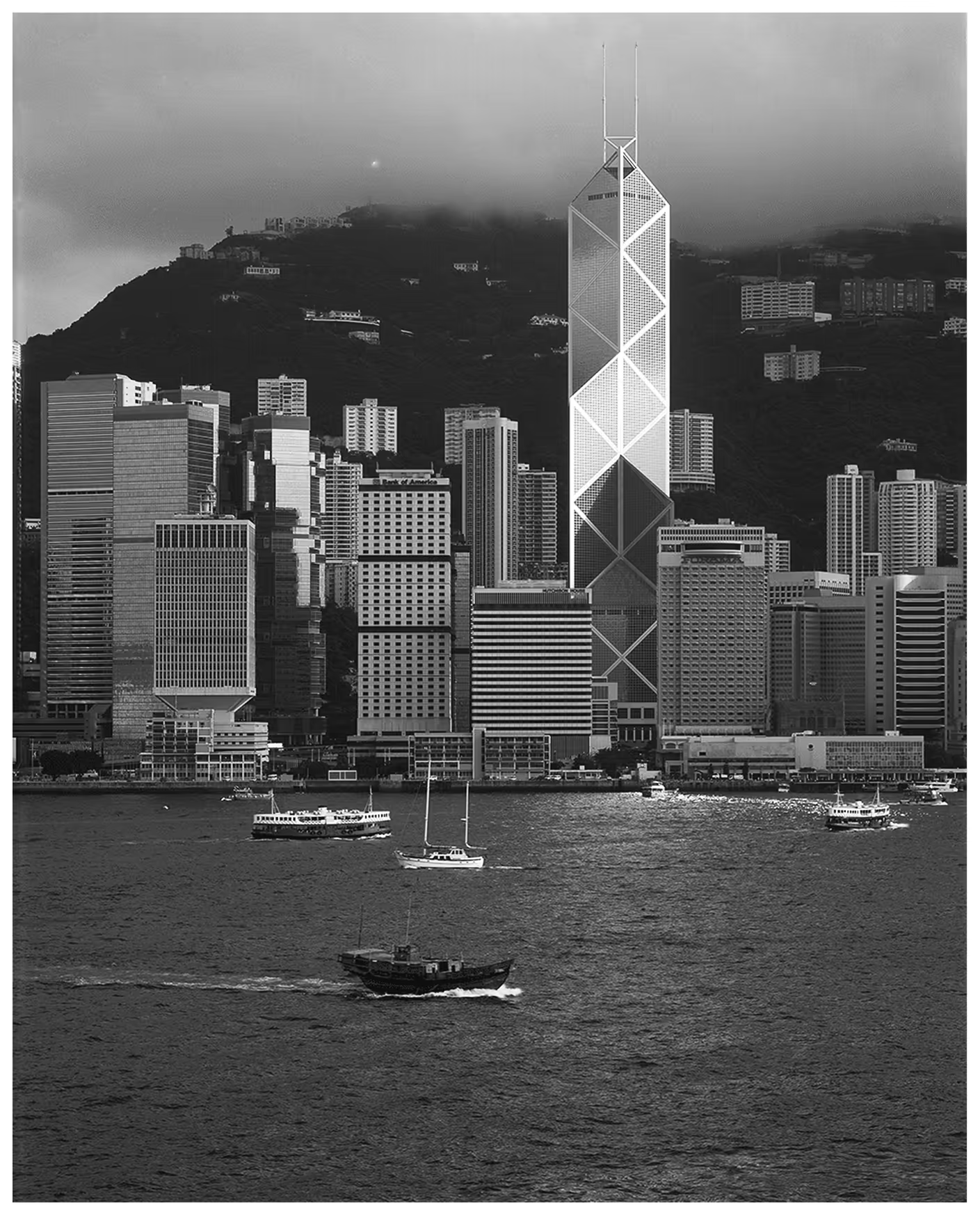
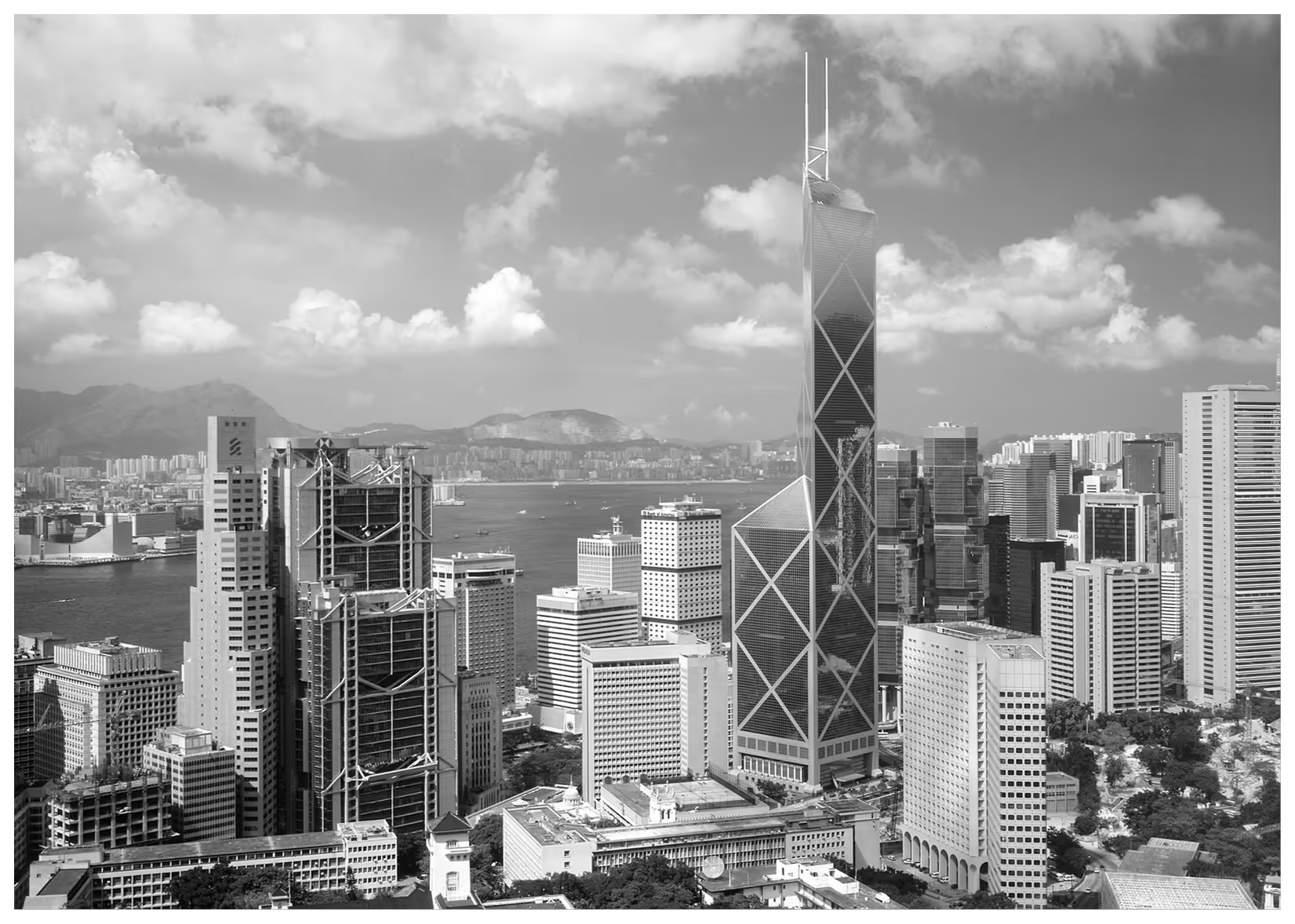
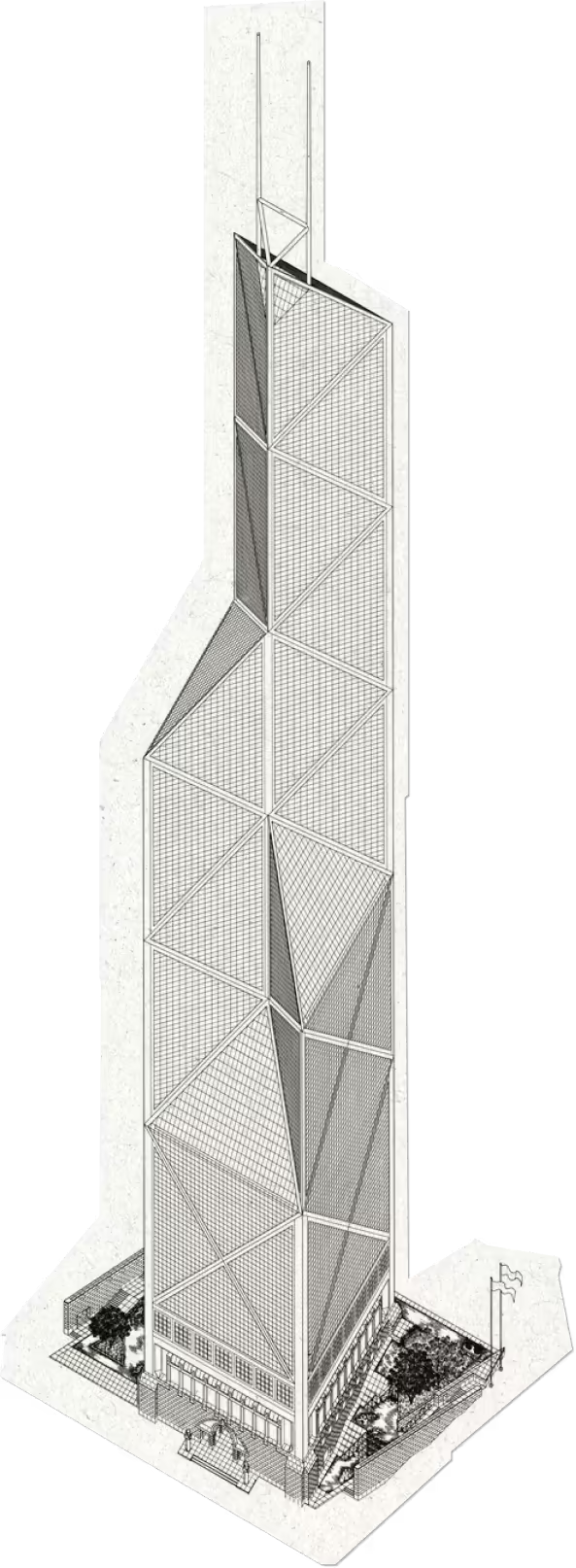
Bank of China Tower (1990)
A prism rising through Hong Kong’s skyline. Its angular form comes from a diagonal steel frame that channels structural loads into four corner columns with clean precision.