Louis Kahn
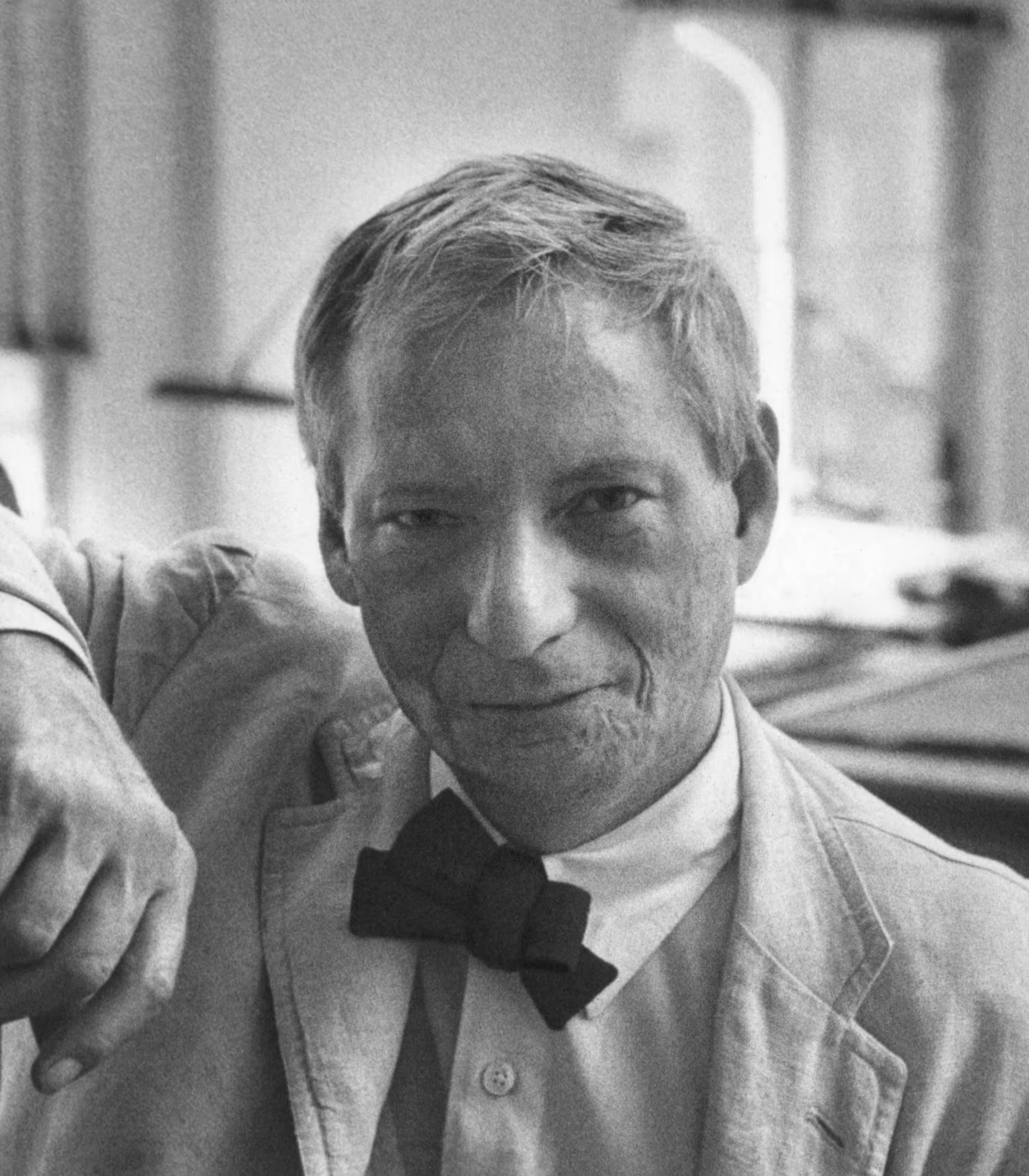
Born:
February 20, 1901, Kuressaare, Estonia
Died:
March 17, 1974 (age 73), Pennsylvania Station, New York City, US
Louis Kahn treated architecture as a problem of order. A building, for him, had a moral anatomy: served spaces (the places we gather, think, learn) and servant spaces (the ducts, stairs, pipes that make it all possible). Out of that split came structure.
Kahn spoke of materials with ethical clarity: if a brick wanted an arch, it was the architect’s job to listen. And under his hand, it usually became a question: What does space want to be?
Where Wright made space flow, Kahn made it pause. Geometry, light, and void became instruments of focus. His architecture was deliberate, almost liturgical.
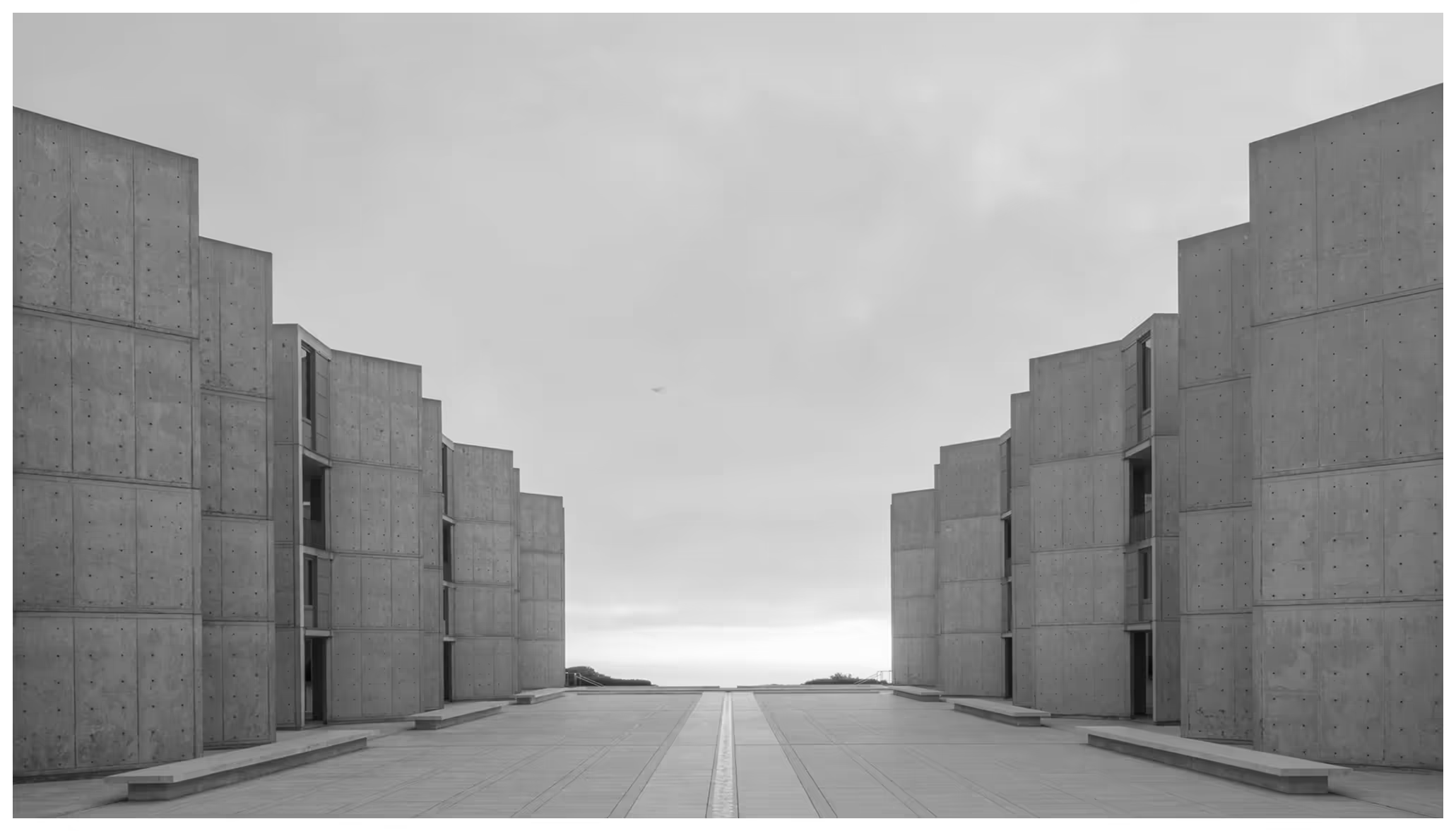
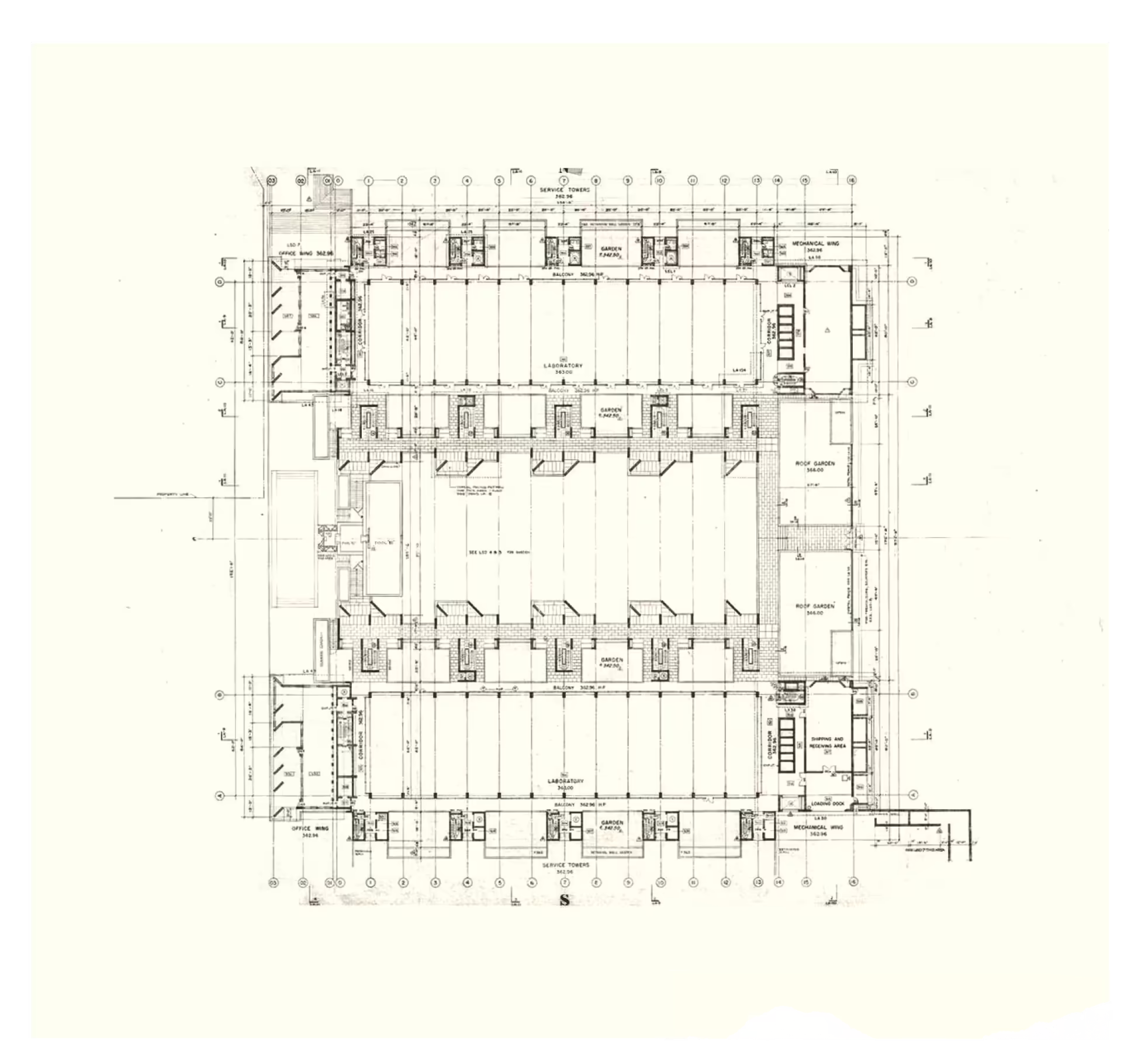
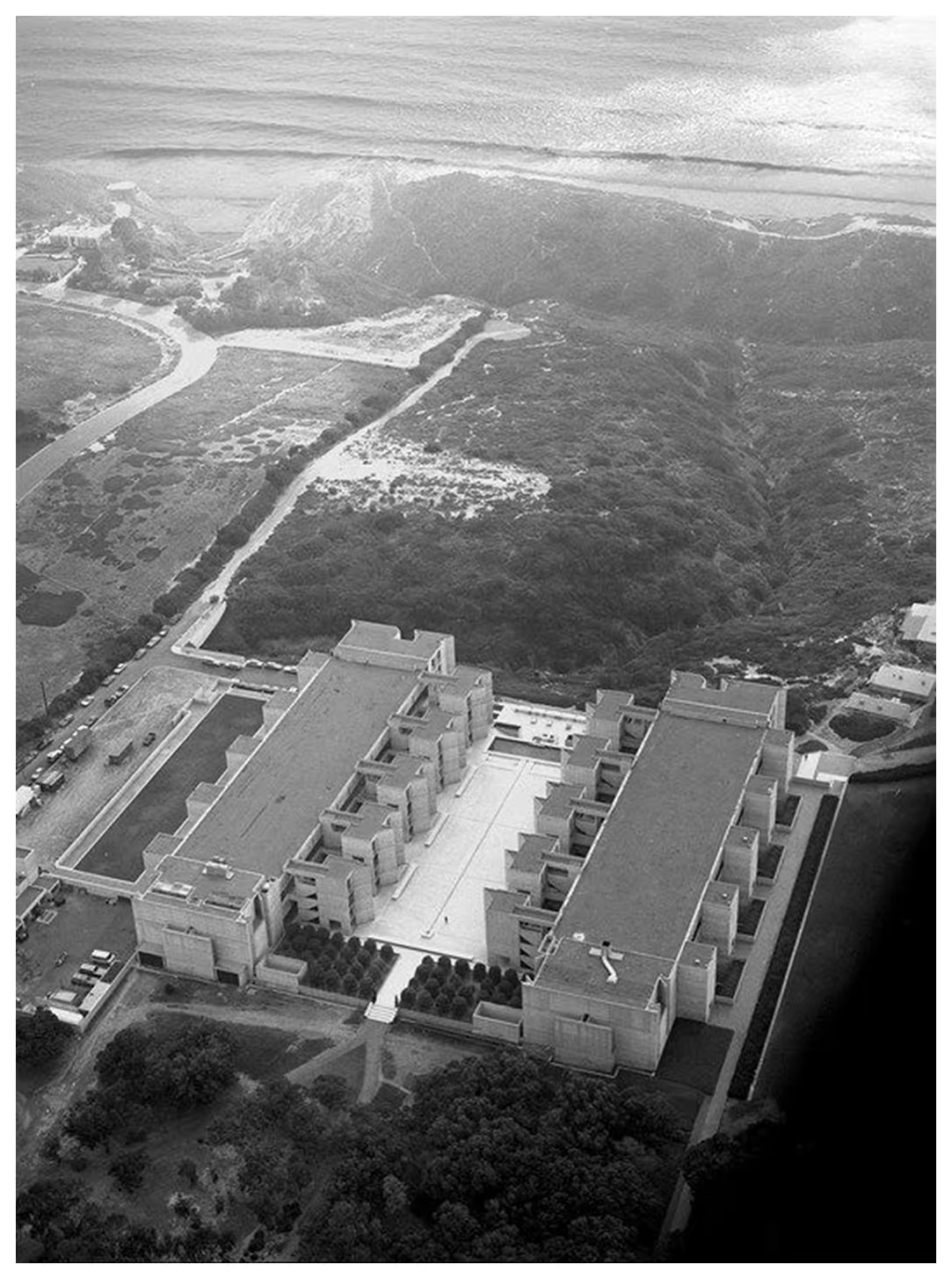
Salk Institute (1965)
Two monumental wings of labs, mirrored in form and function, split by a courtyard of sky, water, and silence. Concrete as a vessel for contemplation.
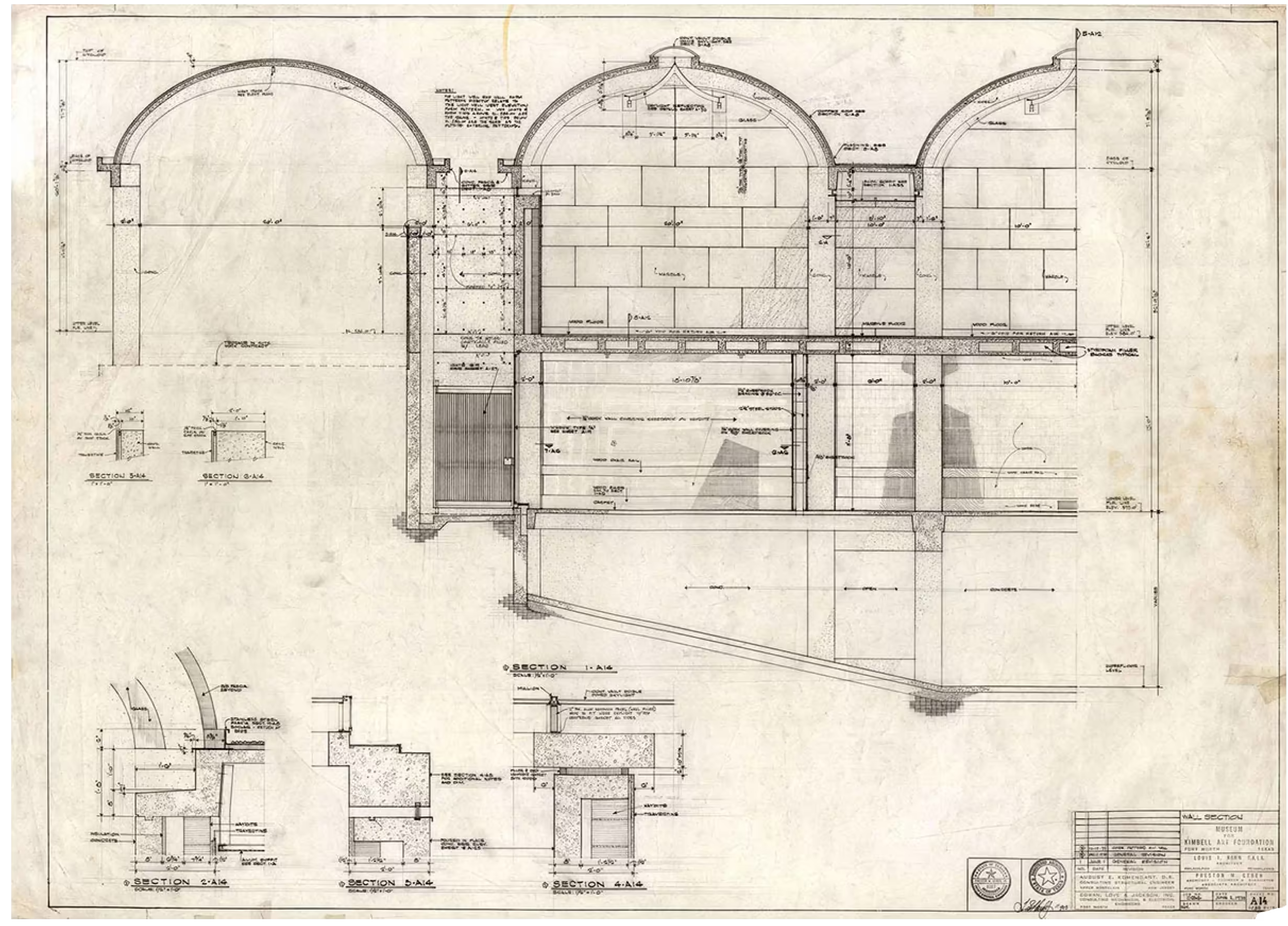
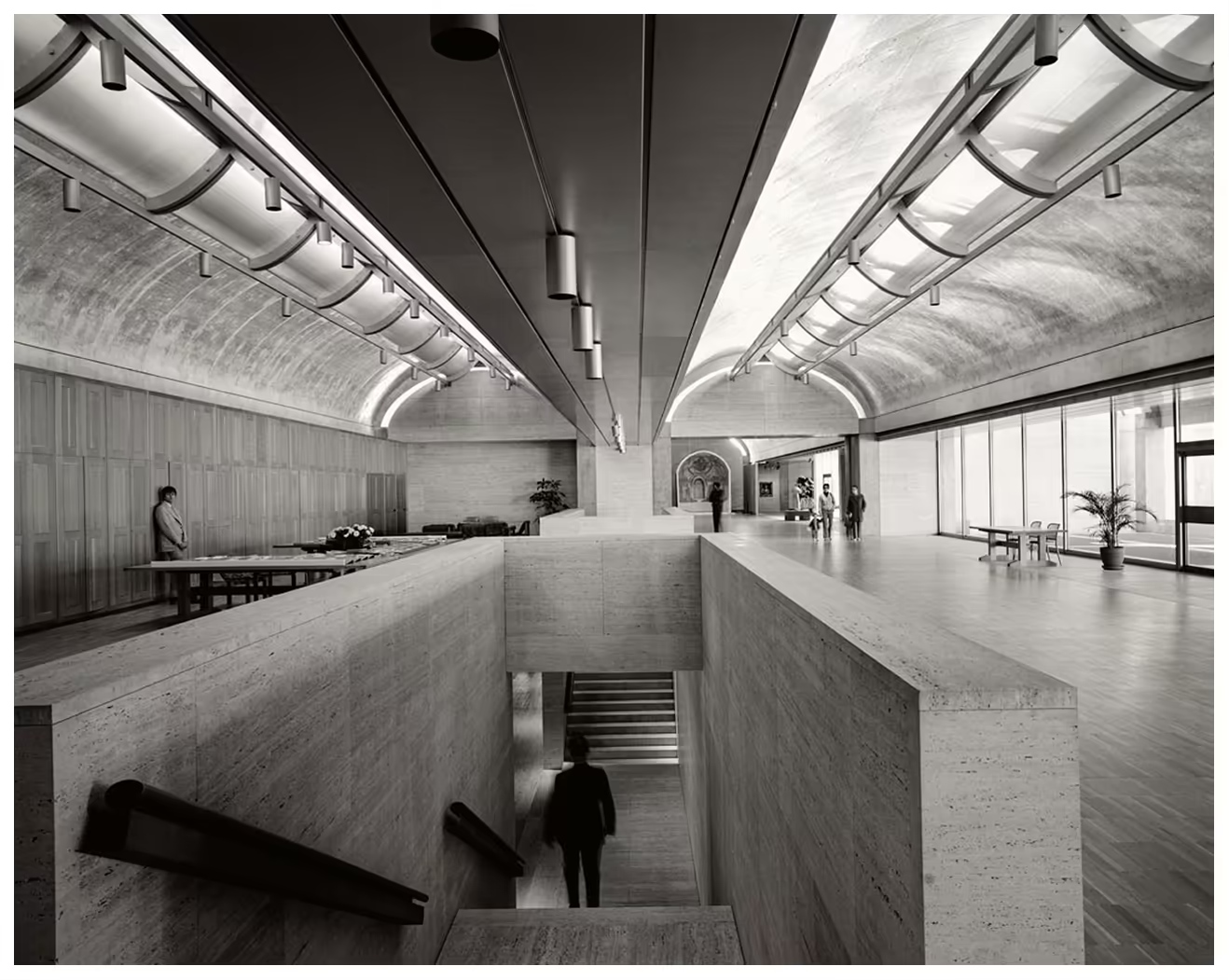
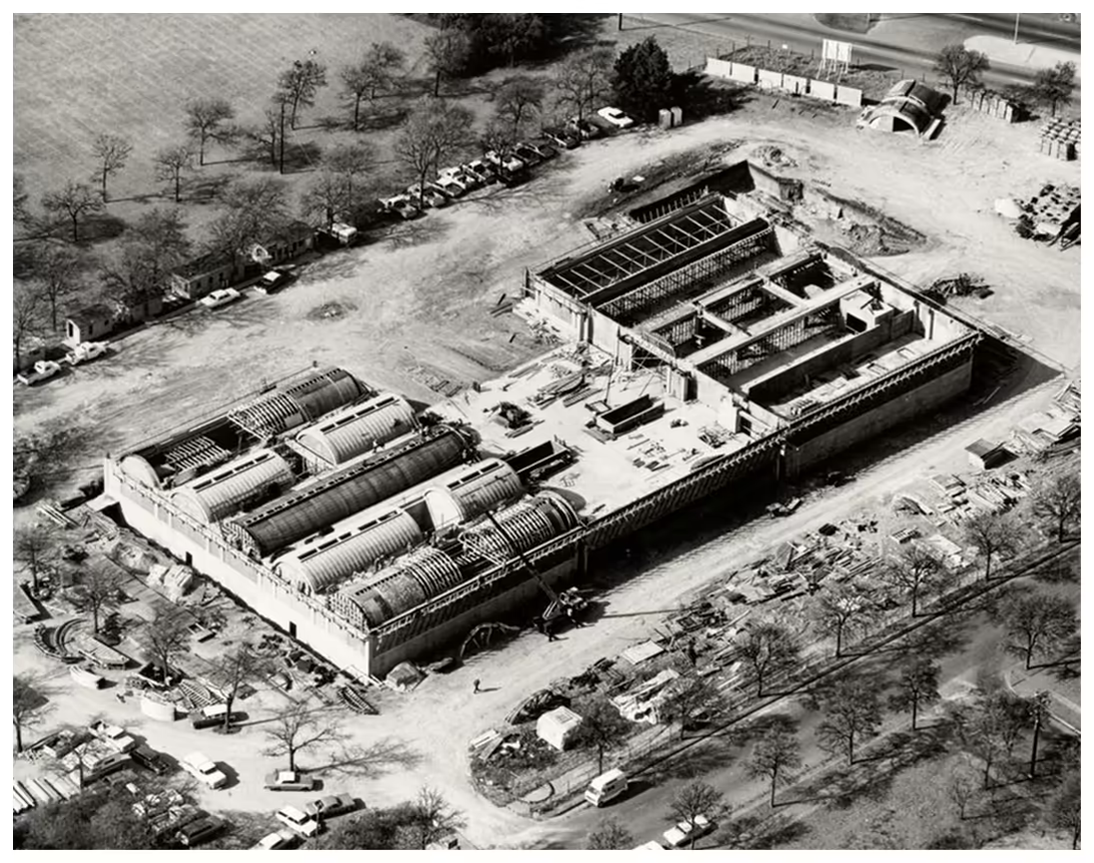
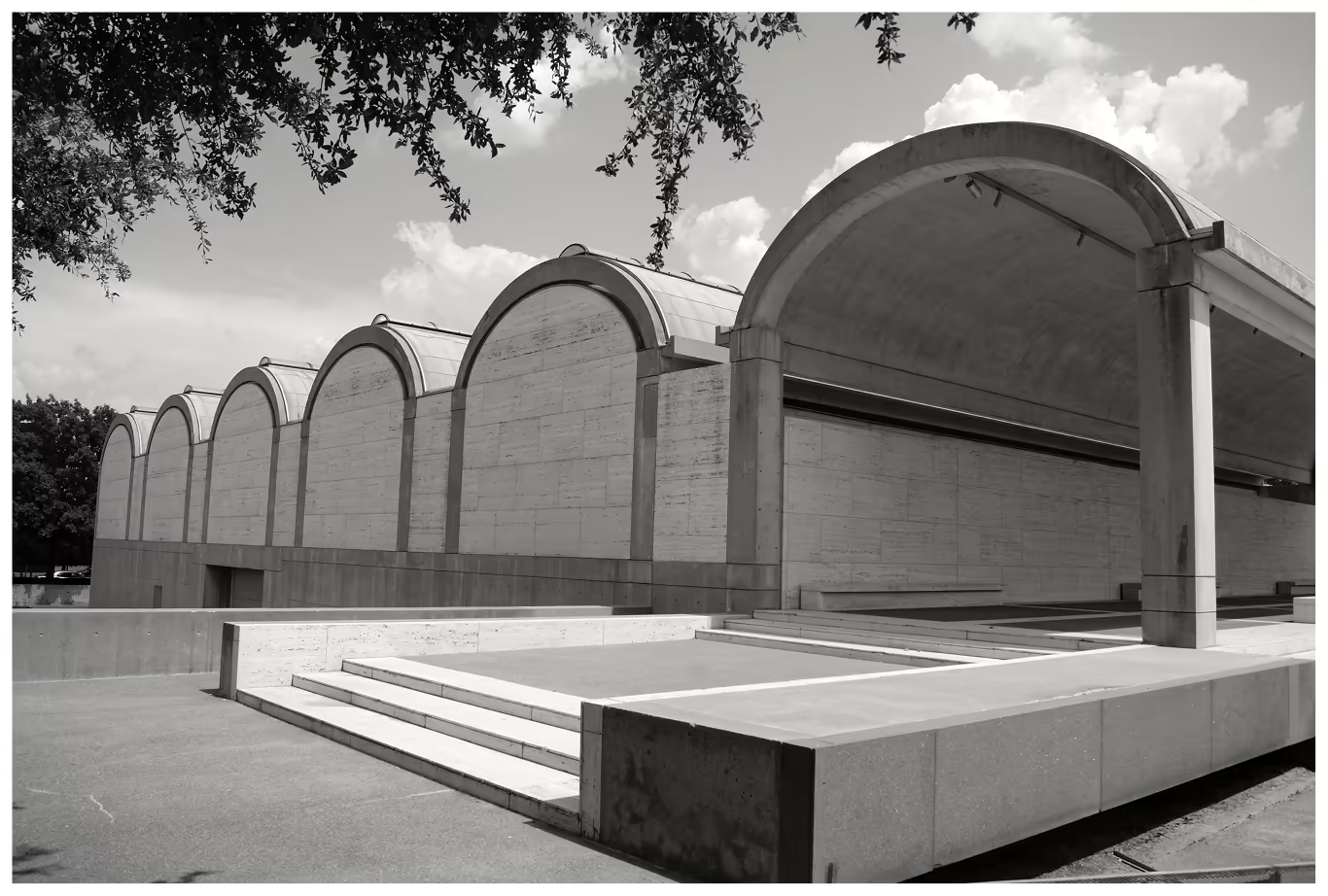
Kimbell Art Museum (1972)
Barrel vaults diffuse daylight across galleries with surgical precision. The architecture disappears into atmosphere — until you realize it’s doing everything.

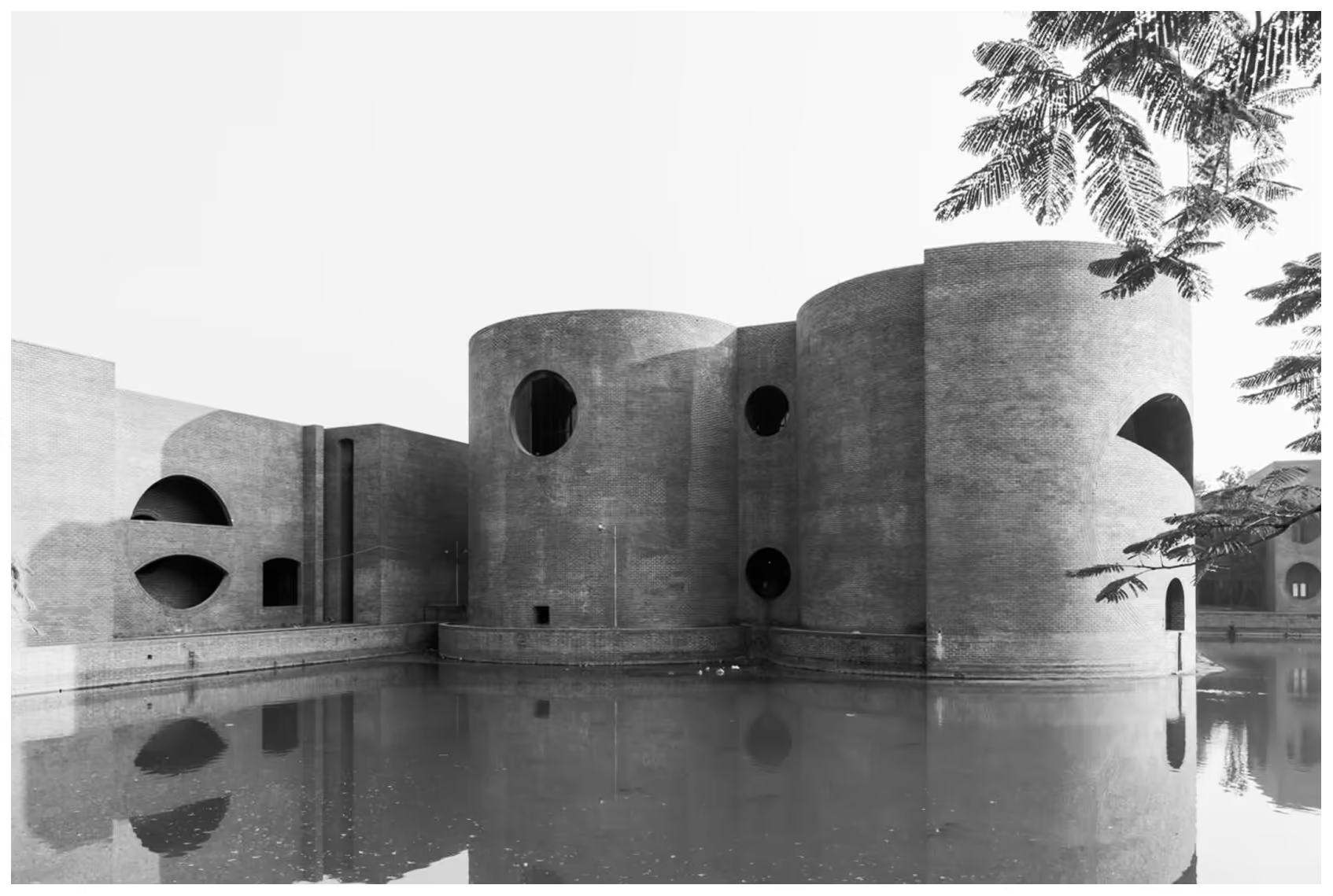
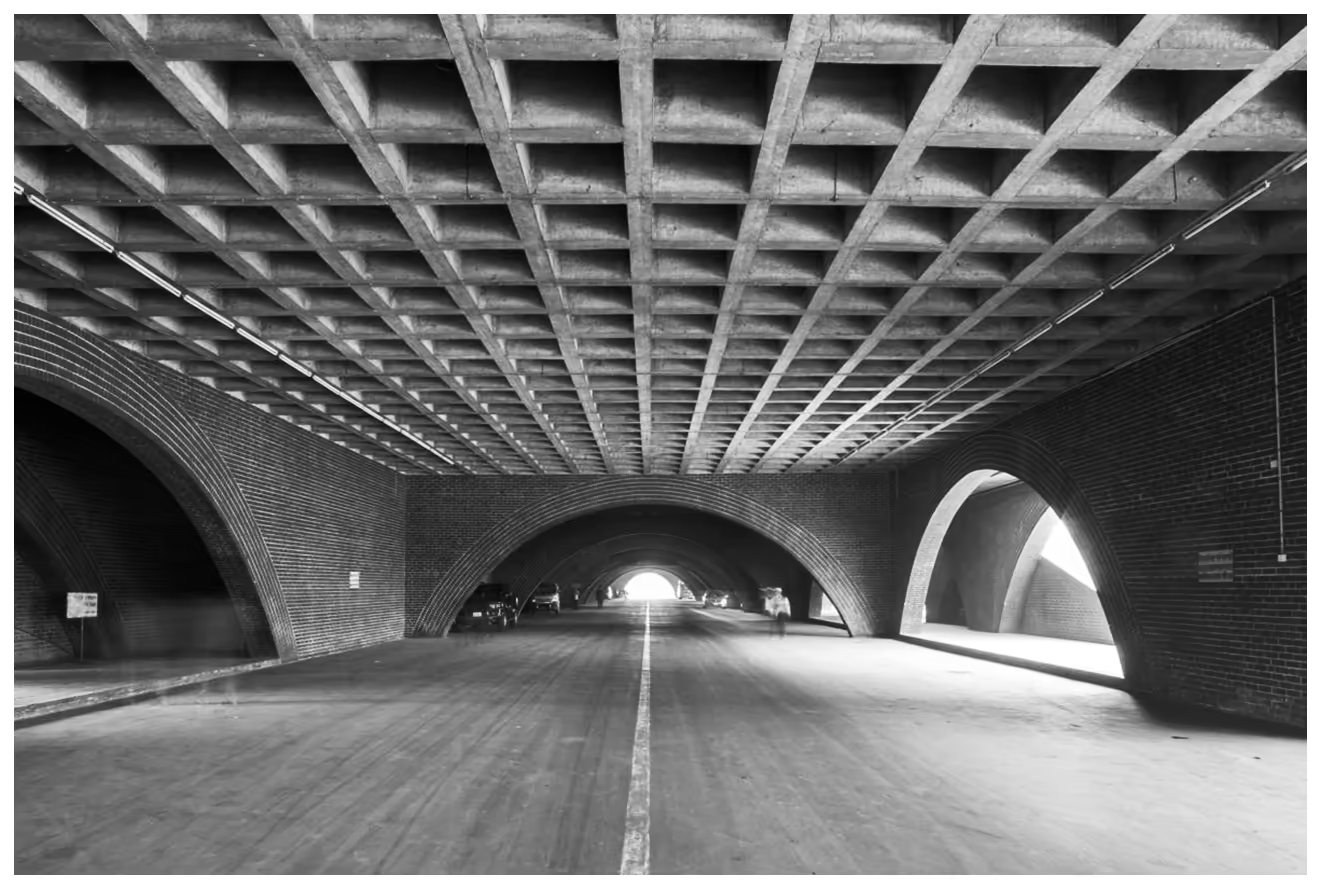
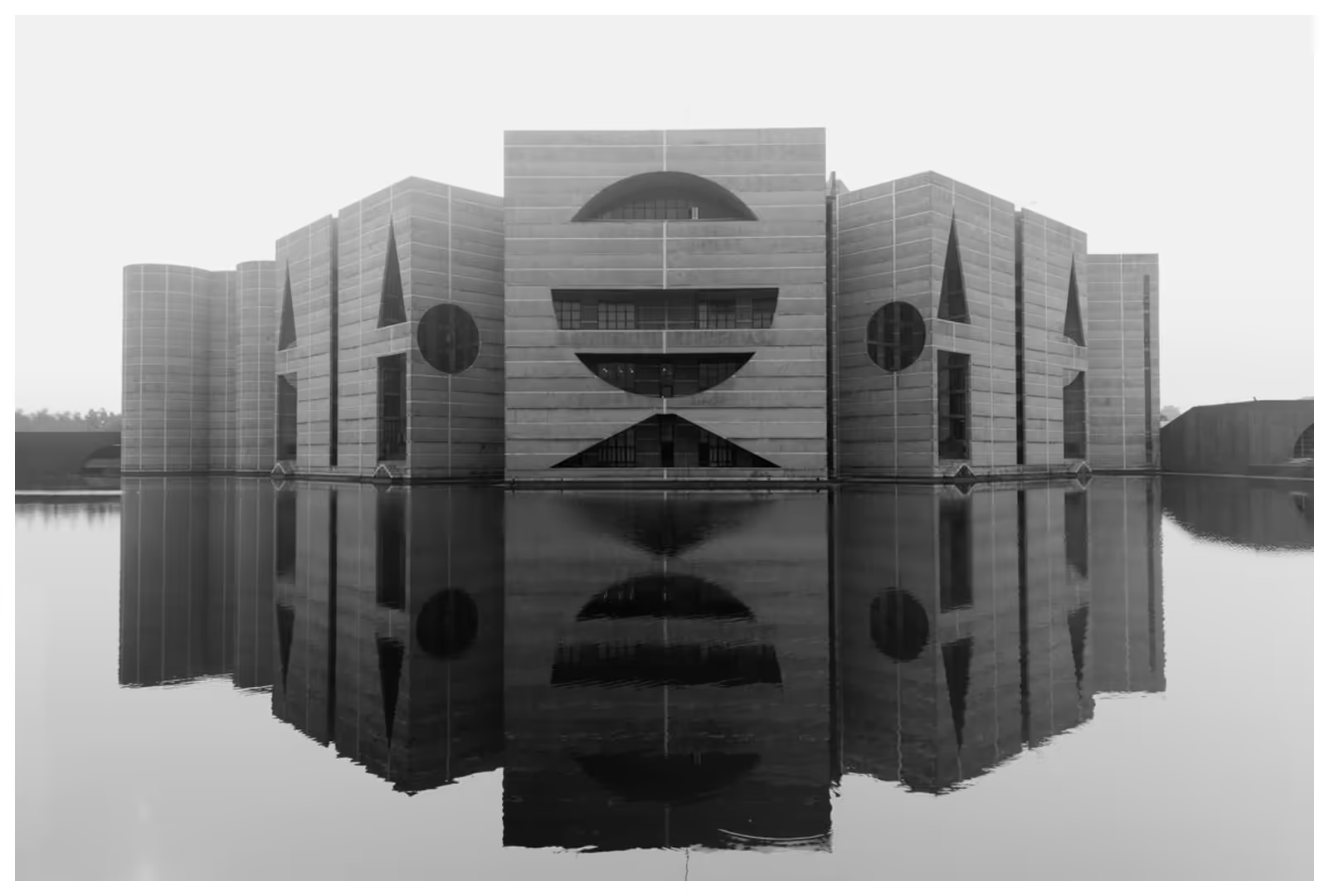
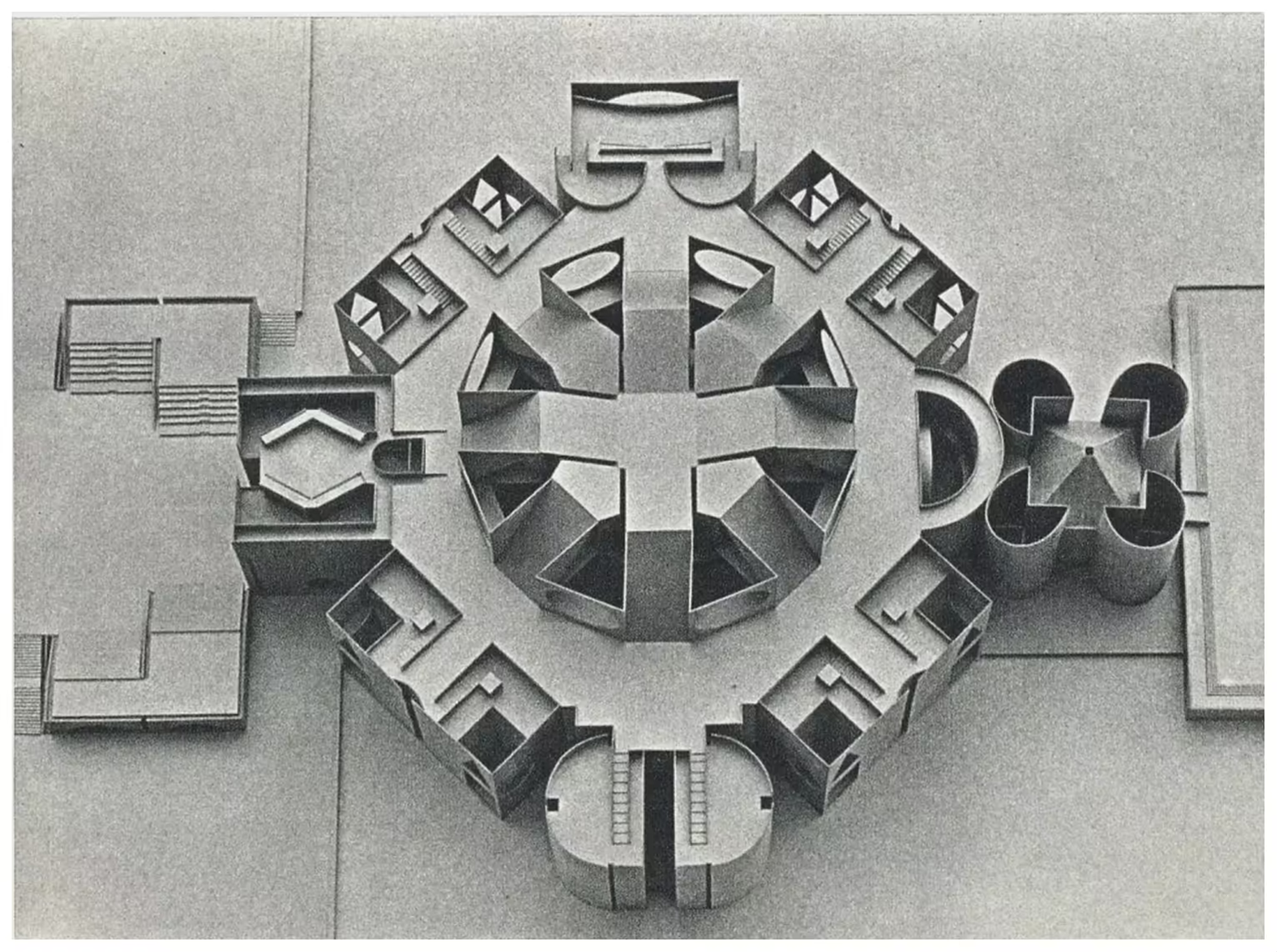
National Assembly Building, Dhaka (1982)
A geometric monolith of voids and mass. Completed posthumously under the supervision of Kahn’s associates, it became one of the most influential civic buildings of the 20th century.