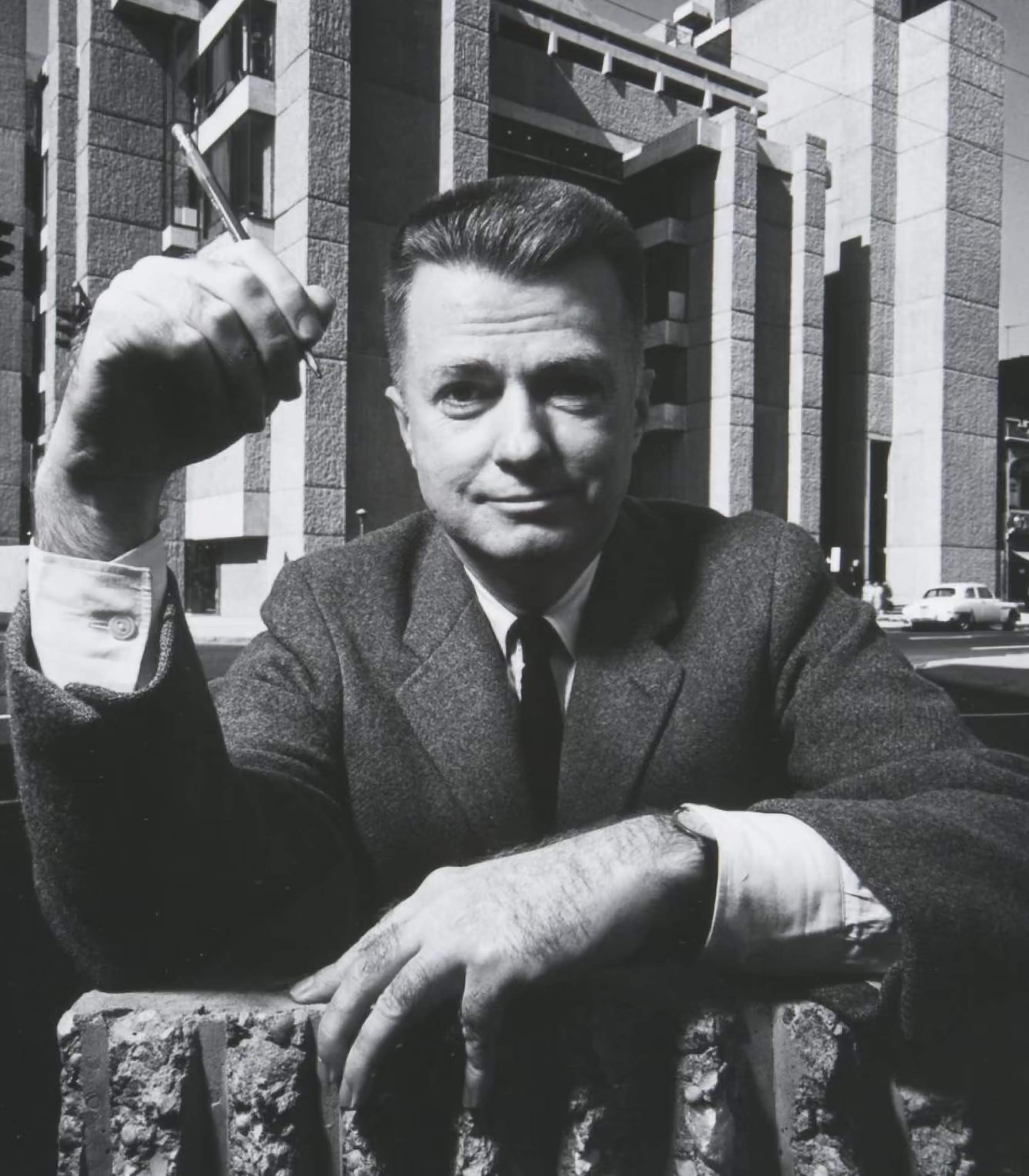
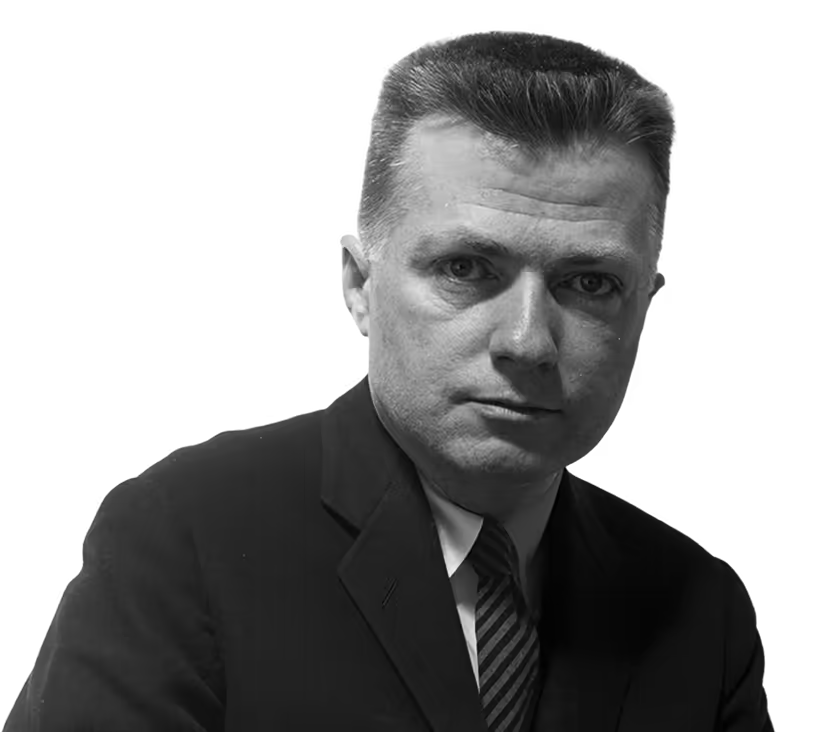
Paul Rudolph
Born:
October 23, 1918, Elkton, Kentucky, US
Died:
August 8, 1997 (age 78), New York City, US
Paul Rudolph sculpted with section. Where modernism preferred the clean box, he split it open and let space cascade. Floors refuse to stack politely in his buildings—they interlock, slip, compress, and rise. Form follows route. Always.
MoMA would later describe his architecture as “interlocking multistory spaces,” echoing Wright yet pushing into something more angular, more theatrical. Instead of romanticizing nature, Rudolph carved light into concrete. Ribbed, bush-hammered surfaces caught shadow like fabric. Concrete wasn’t mass, but an instrument.
His buildings read as assembled fragments: ledges, terraces, shifts, platforms. Unity emerges not from façade but from spatial machinery. Before deconstructivism had a label, Rudolph was already dismantling the box—and making the pieces hold.
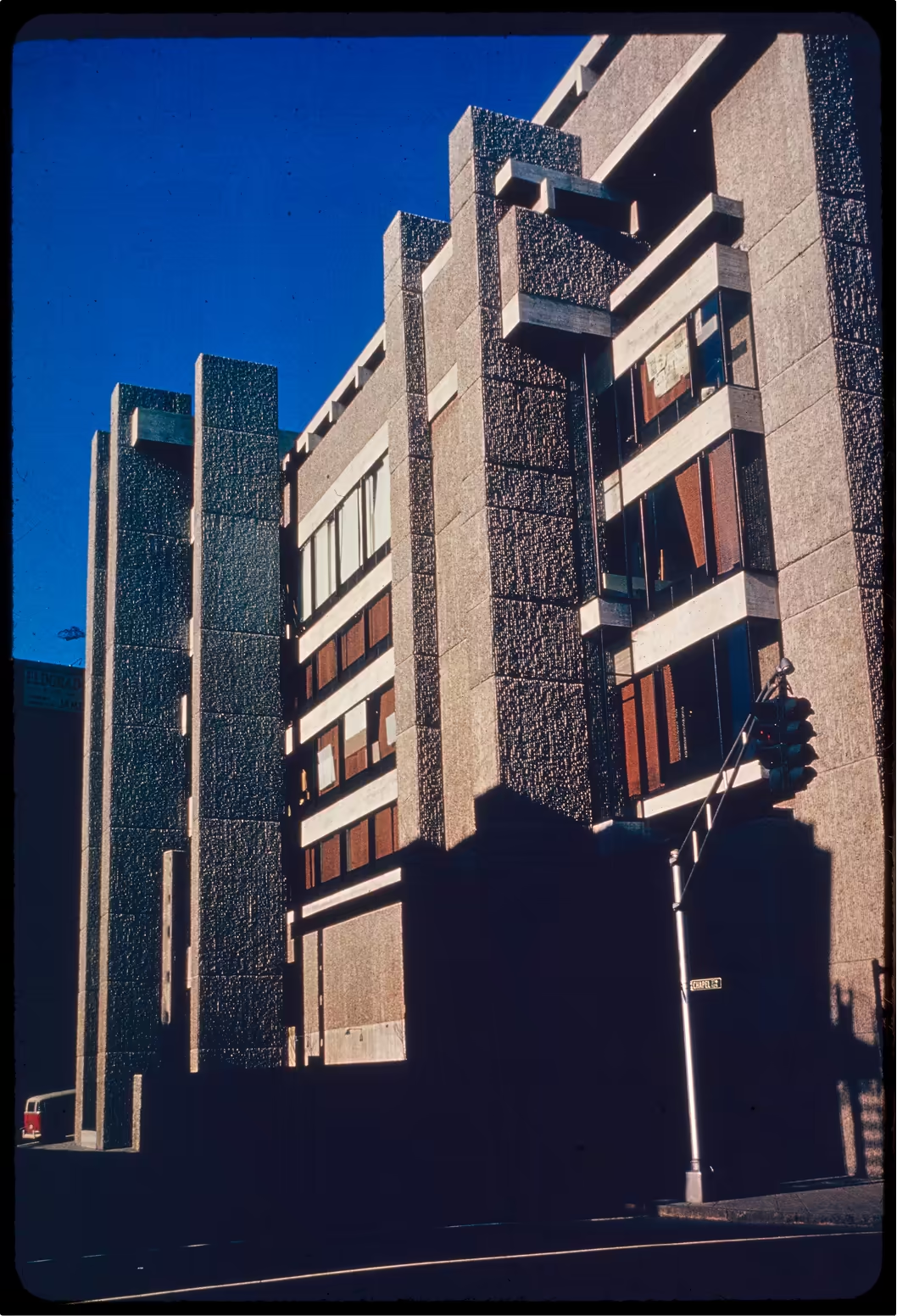
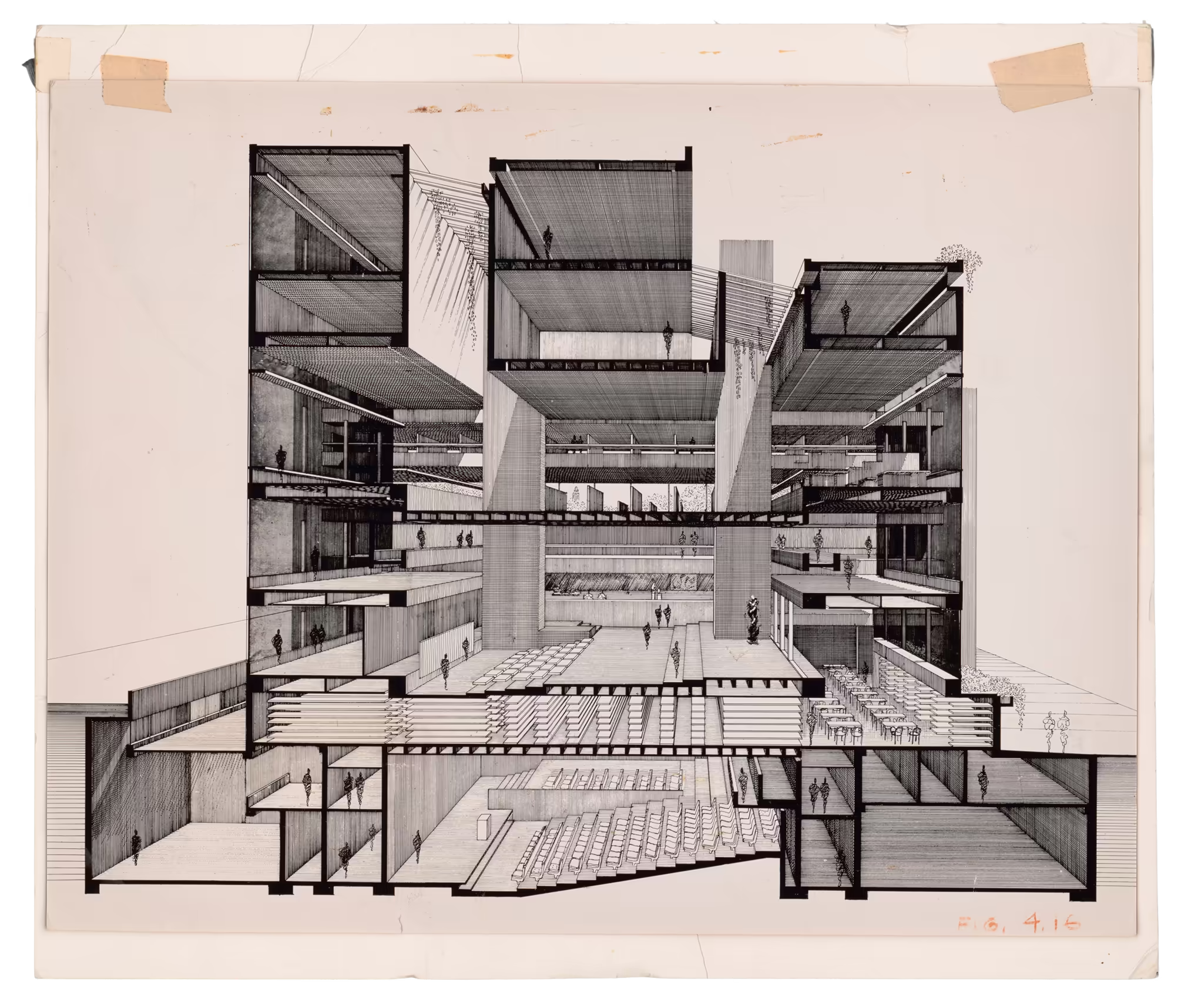
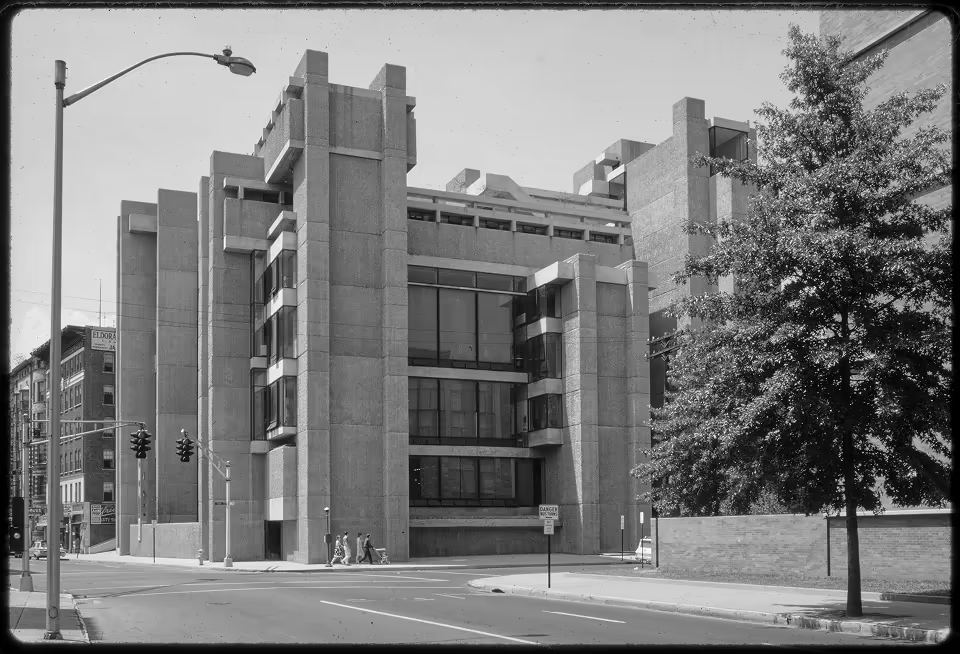
Yale Art and Architecture Building / Rudolph Hall (1963)
Thirty-plus levels folded into seven stories. Platforms interlock in sectional choreography, turning an art school into a vertical landscape of compression and release.
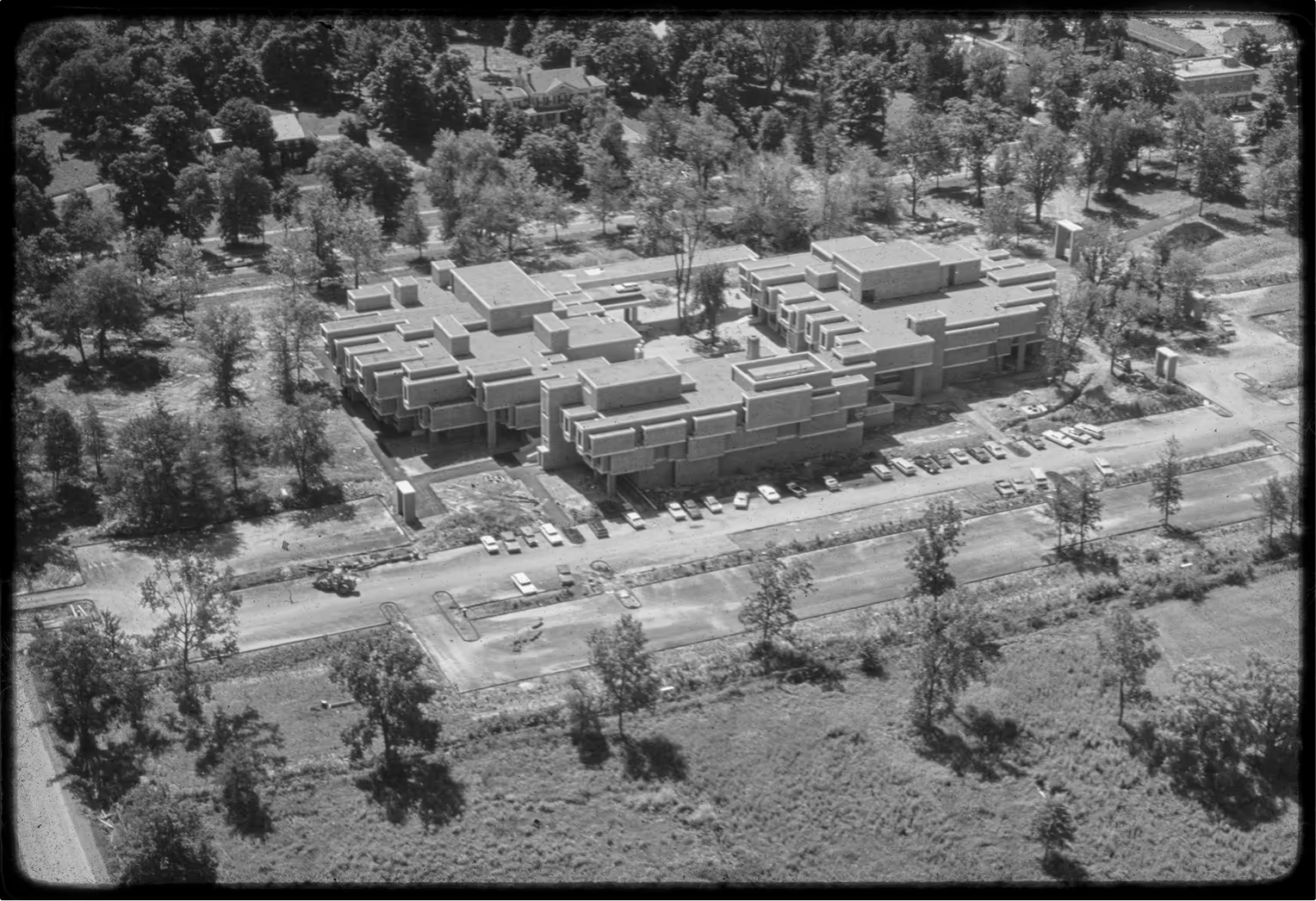
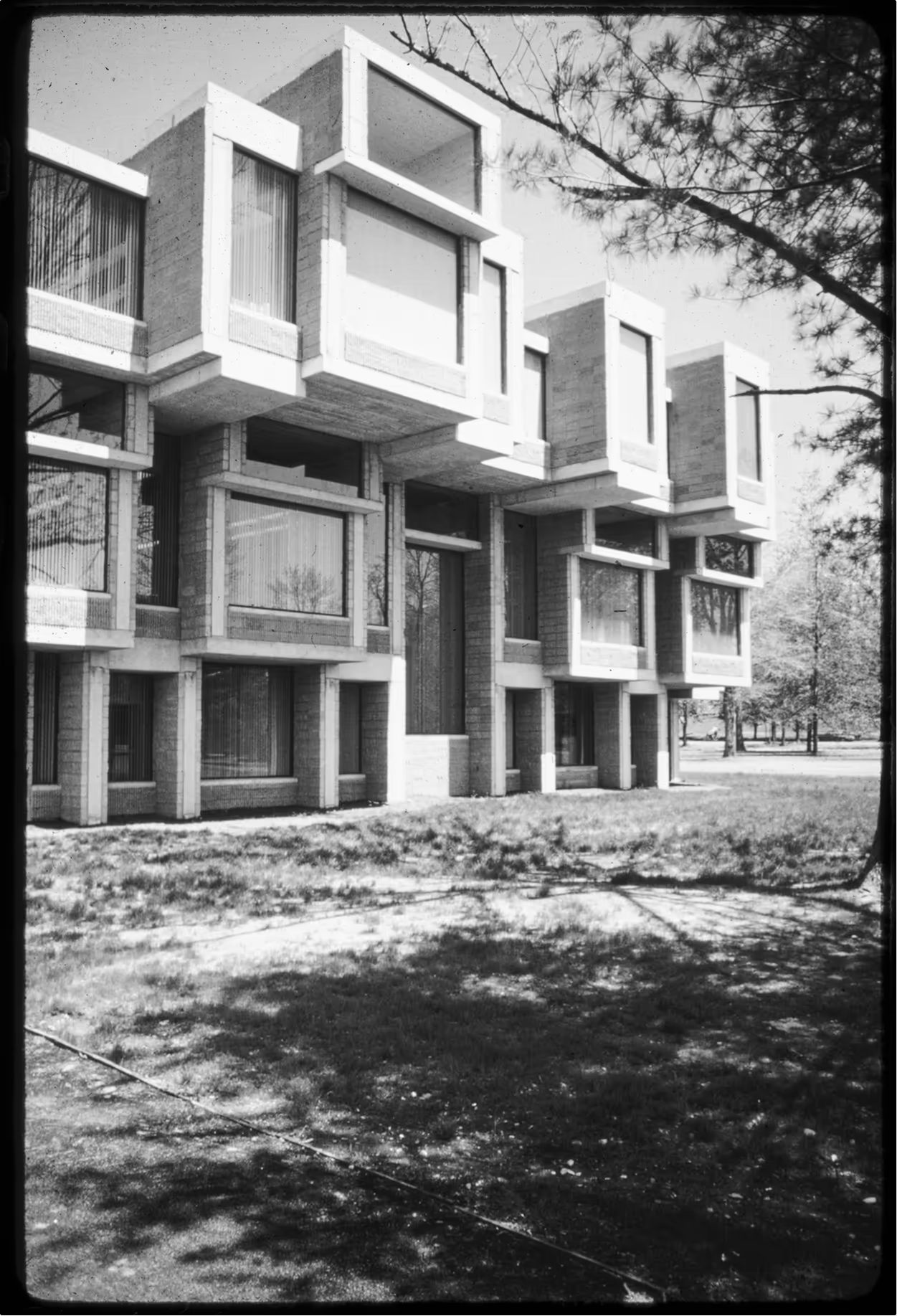
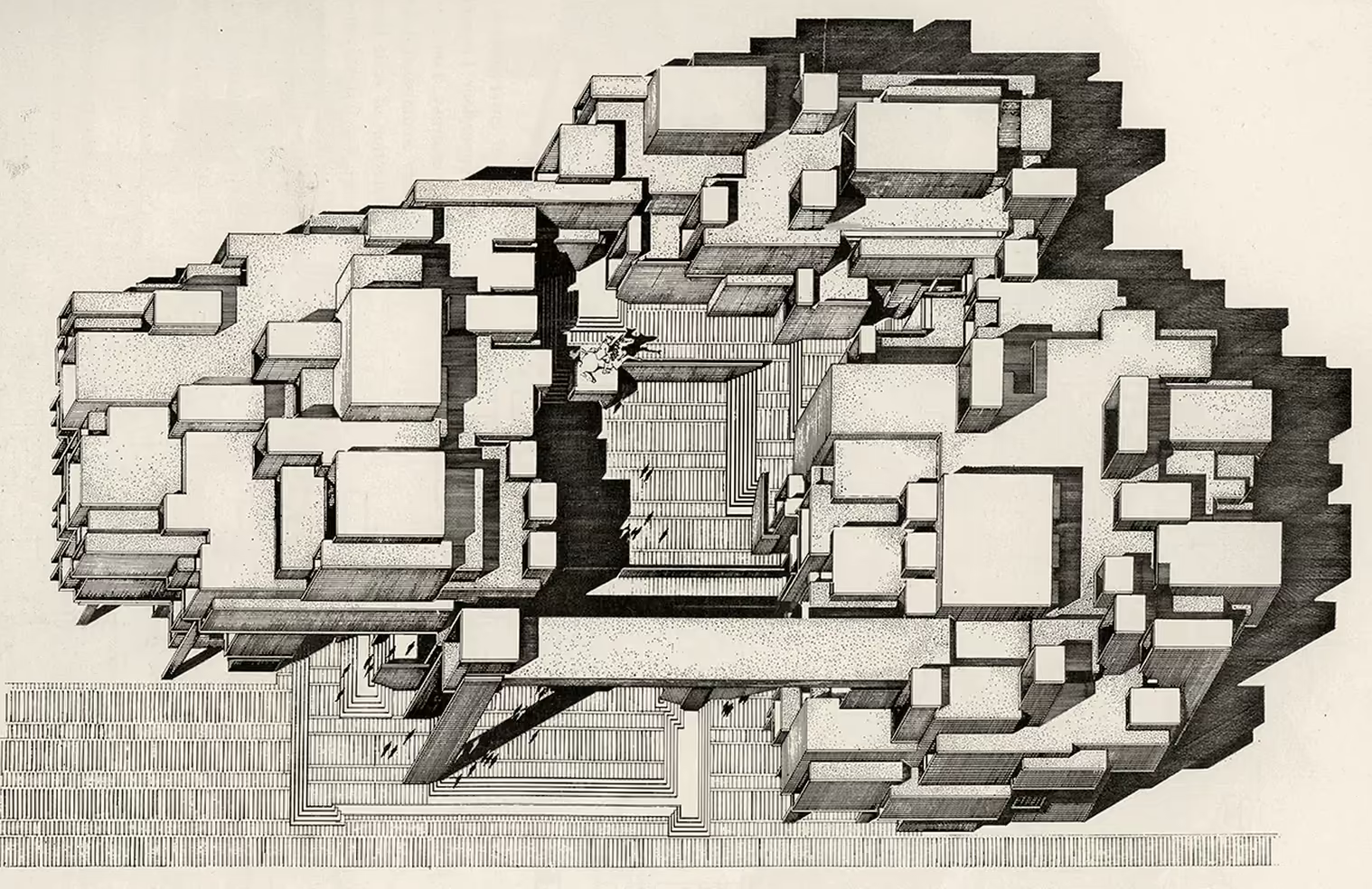
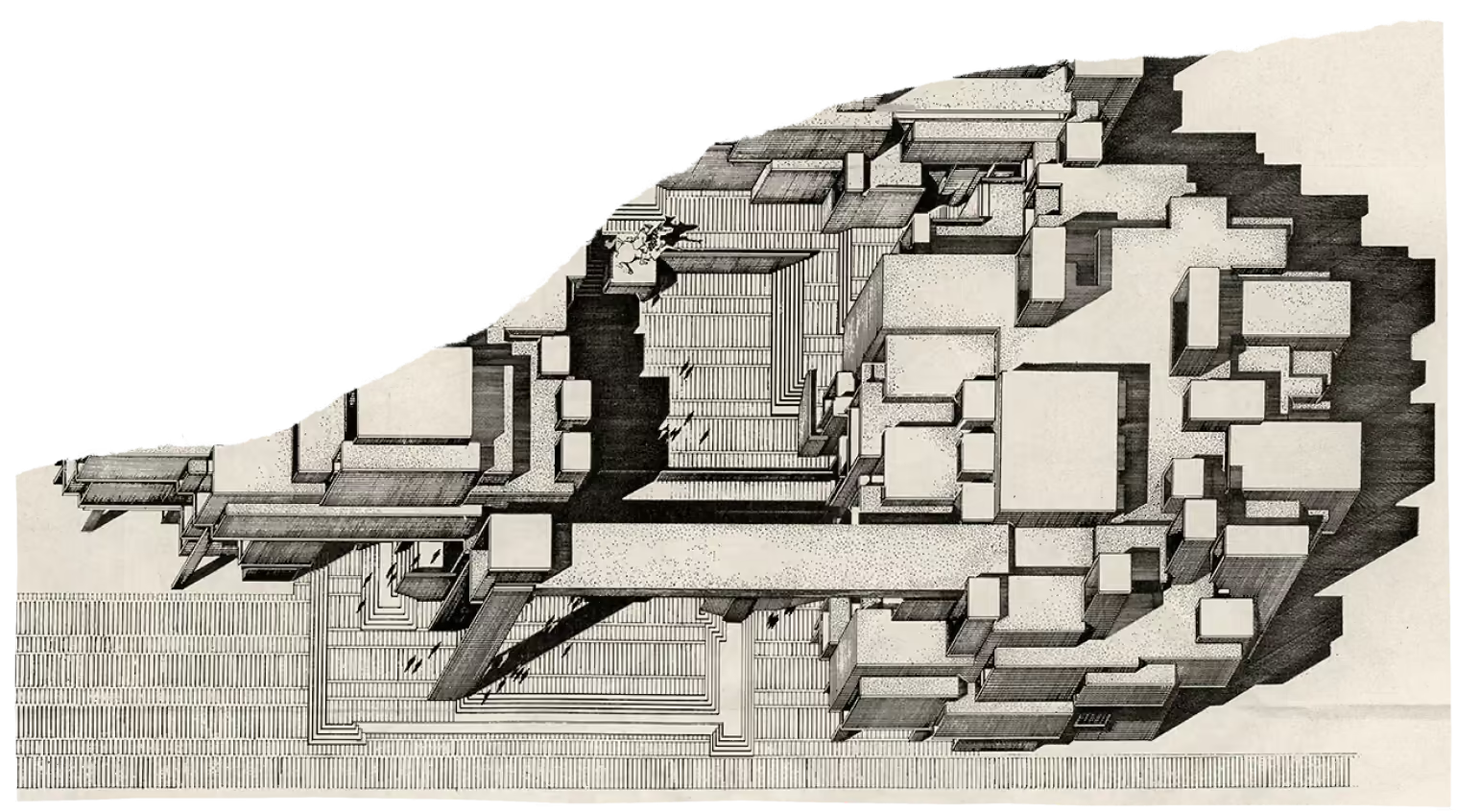
Orange County Government Center (1963–1971)
A civic complex assembled from concrete modules — part fortress, part megastructure. Loved and contested in equal measure, its massing reads like a town built from blocks.
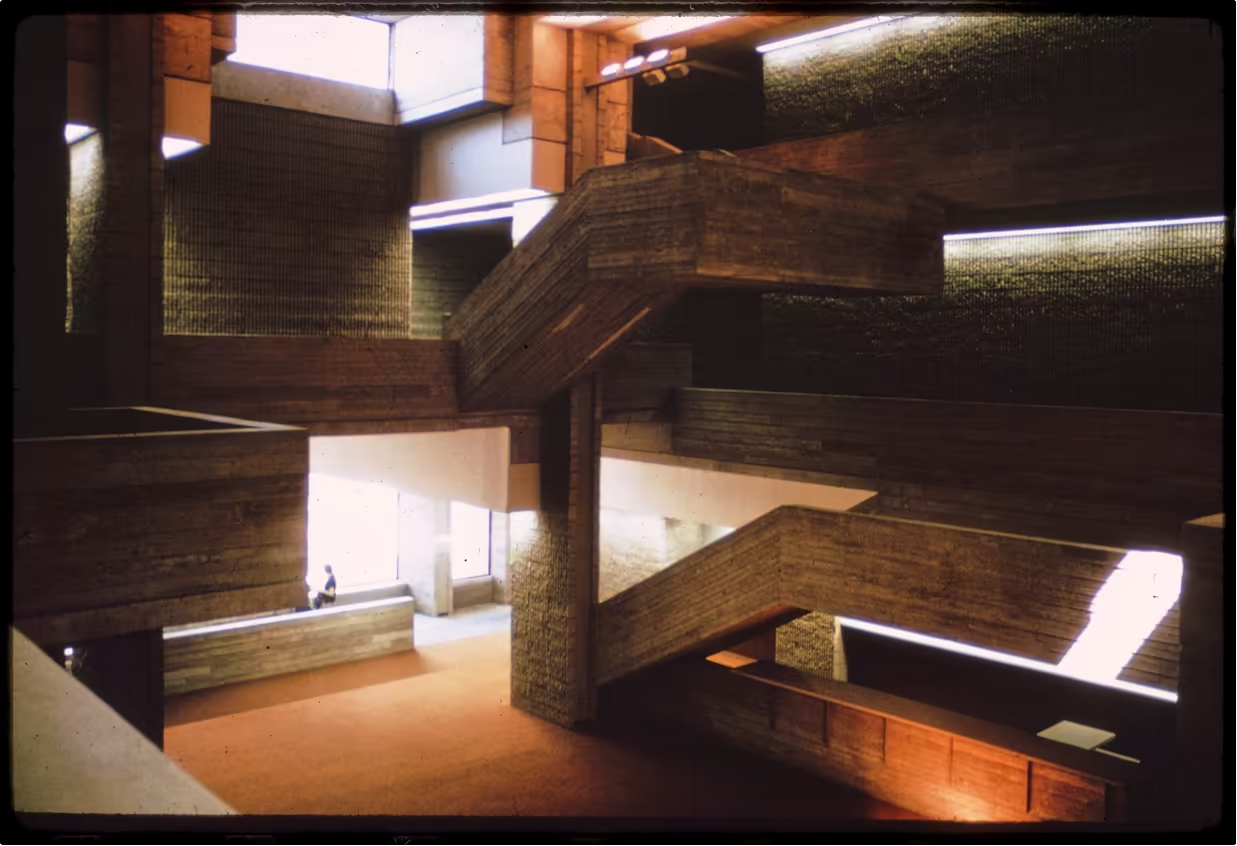
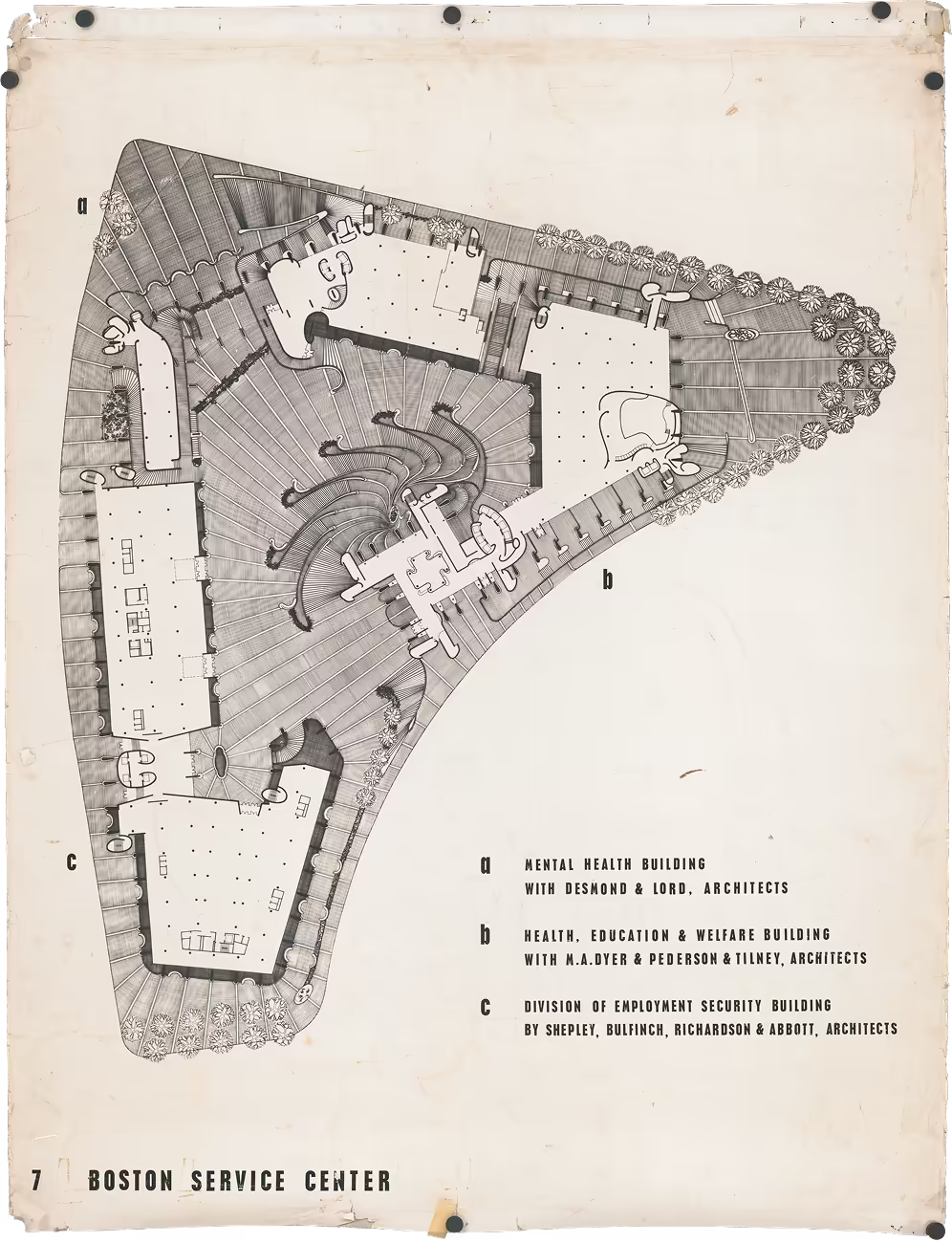
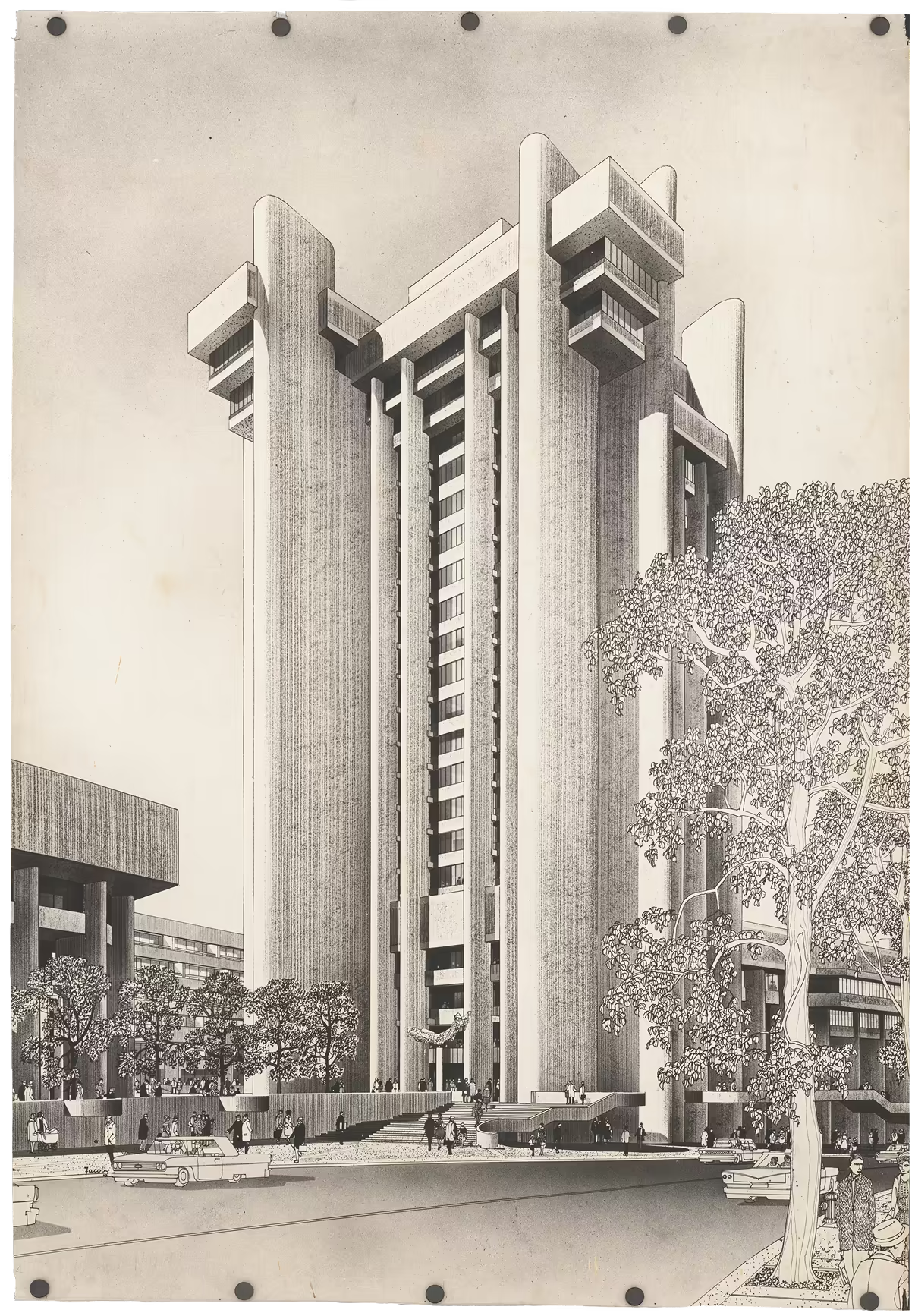
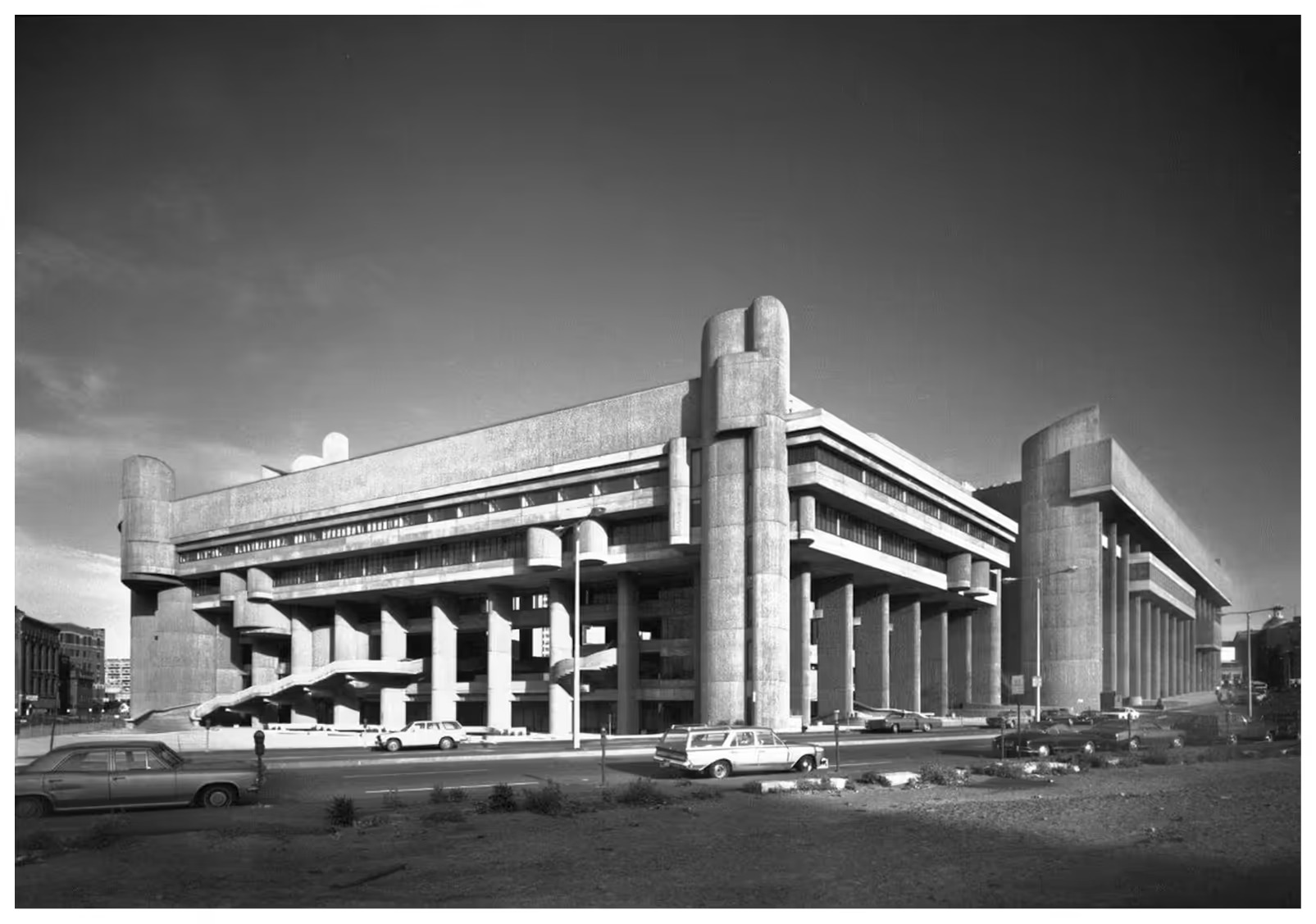
Boston Government Service Center (1966–1971)
Monumental concrete frames a public plaza like stage scenery. Government rendered as spatial drama-heavy, deliberate, unapologetically civic.
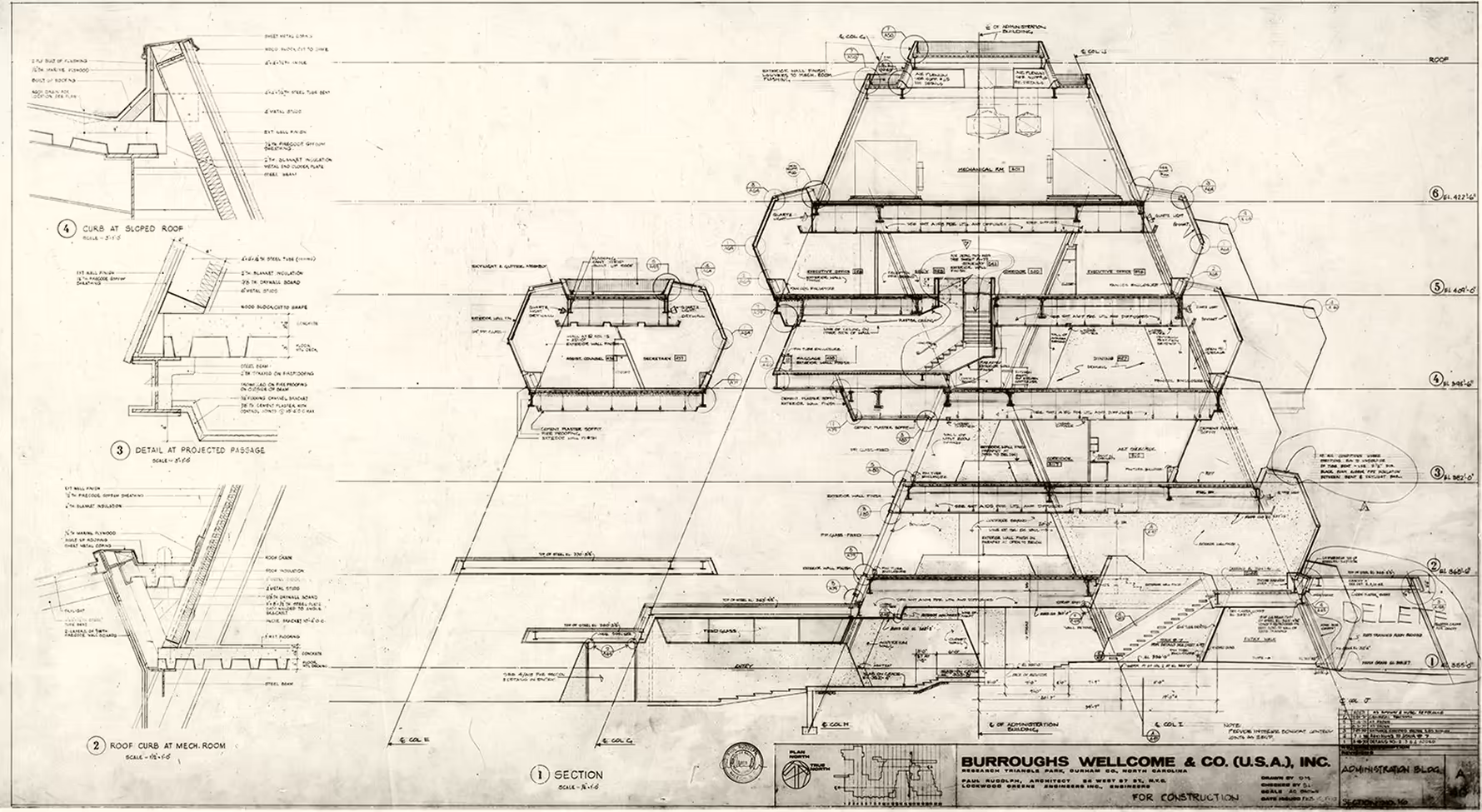
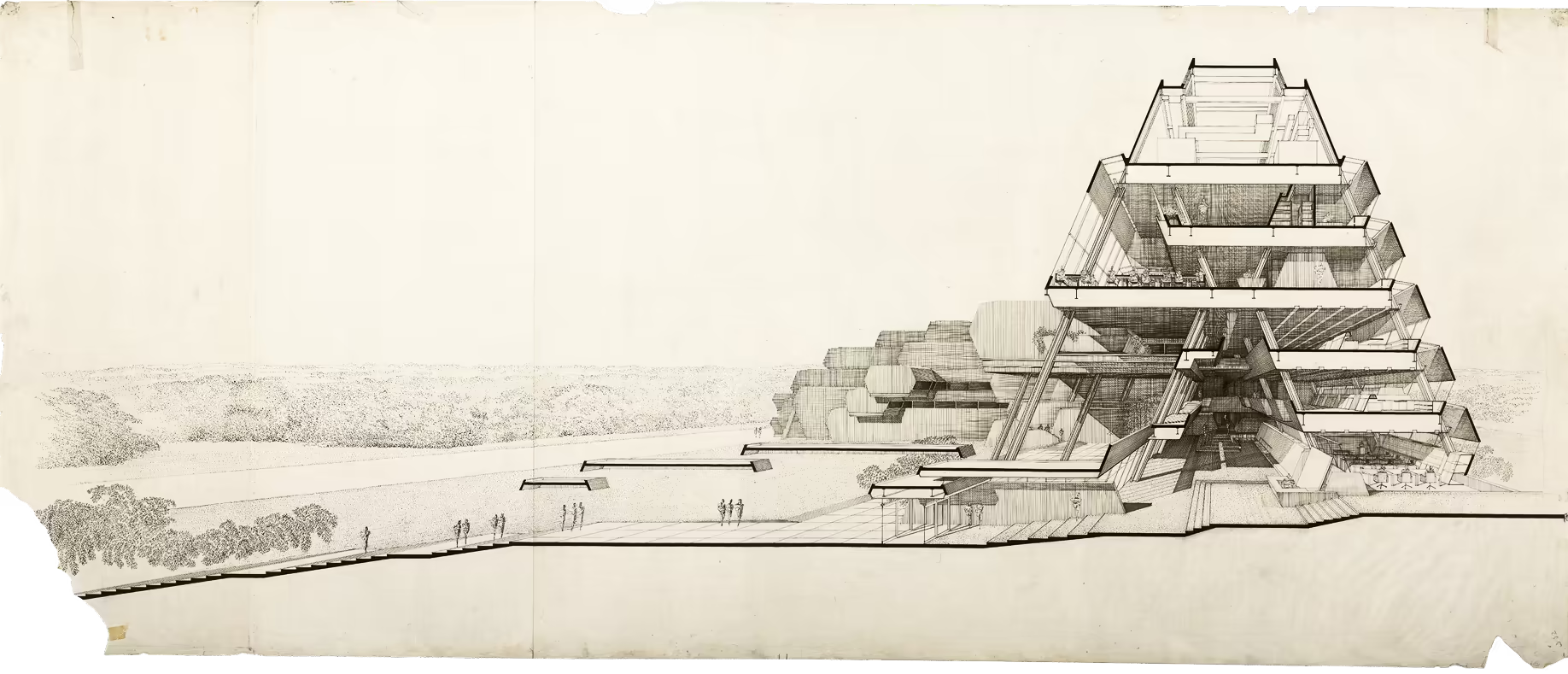
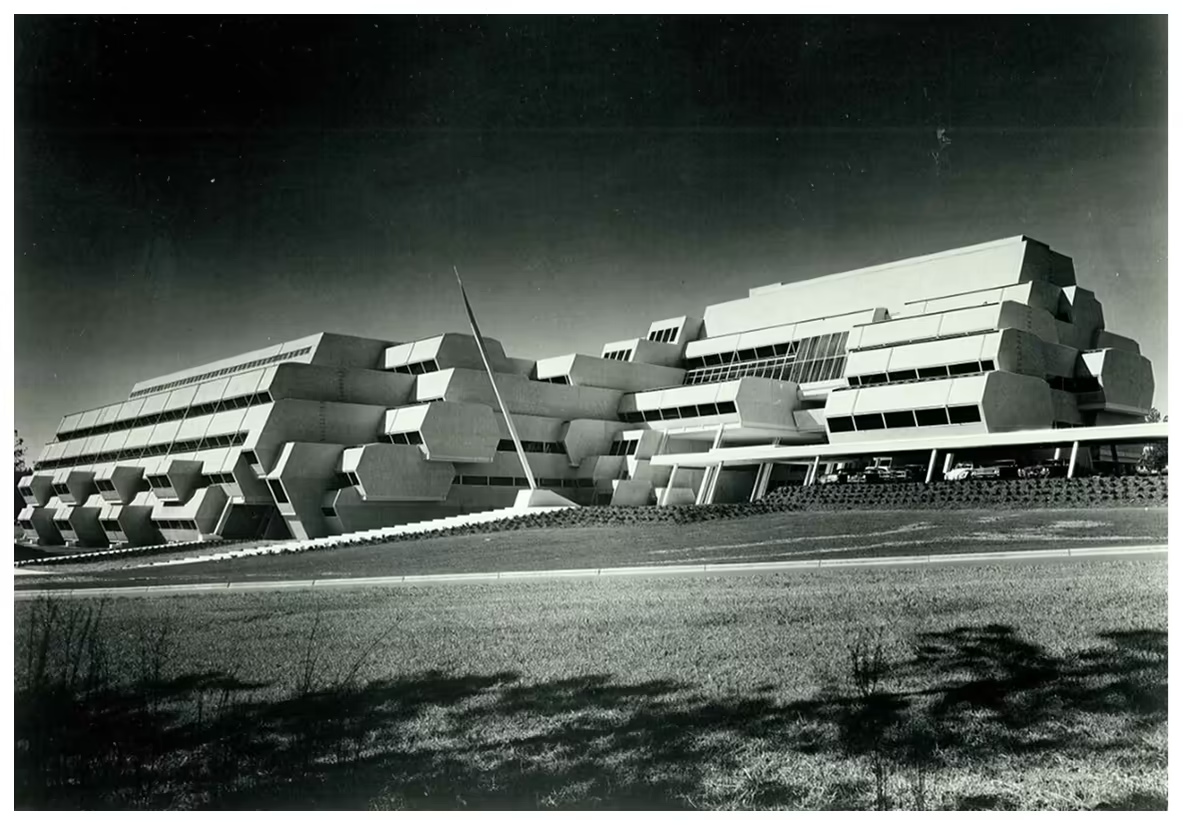
Elion-Hitchings Building (1969–1972)
A corporate ziggurat of cantilevered concrete masses. Structure steps with the terrain, turning research headquarters into sculpted topography.